Choosing a reachy mini robot supplier requires more than comparing product photos and prices. Global buyers need clear answers about availability, shipping, warranty coverage, software support, and spare parts. A polished listing is useful, but it cannot prove that a supplier can deliver reliable service after the purchase.
Robotics pioneer Rodney Brooks wrote, “The world is its own best model.” That principle offers a practical lens for evaluating compact robots: inspect how the hardware, sensors, and software work together in real use. For buyers, a live demonstration, detailed specifications, and responsive technical support matter more than broad promises. Small details count. A missing cable can delay a classroom project; unclear software requirements can frustrate a research team.
This guide reviews ten reachy mini robot suppliers for global buyers, focusing on verifiable product information, service transparency, and suitability for education, research, and development. Supplier listings and regional availability can change, so confirm current terms directly before ordering. Not every vendor will fit every project. That is worth admitting. Compare the configuration offered with your intended use, ask who handles after-sales support, and request written details about shipping and warranty conditions. A careful check may take longer, but it can prevent an expensive mismatch.
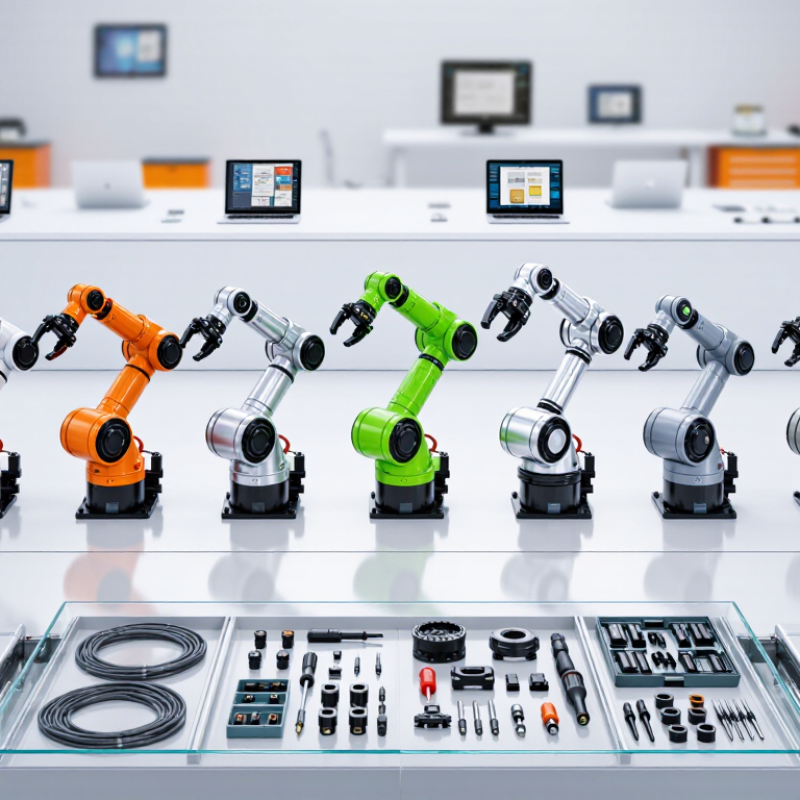
A compact expressive robot is best understood as a development platform, not simply a moving desk toy. Its small body can combine a camera, microphone, speaker, and articulated head for face-to-face interaction. Buyers should check what is included, how movement is controlled, and whether software interfaces are documented. Motion matters. A smooth head turn feels engaging; noisy or delayed movement can make the same interaction awkward.
The global market serves educators, developers, research teams, and organizations testing human-robot interaction. Their needs differ. A classroom may value easy setup and replaceable parts, while a development team may prioritize accessible code and sensor access. Before ordering, ask suppliers for a complete configuration list, sample projects, operating requirements, and realistic support timelines. A convincing video is not enough; request a live demonstration or clear test records where possible.
Shipping and after-sales support shape the real cost. Confirm packaging, spare-part availability, software update practices, and support languages before comparing quotations. Also check that the product’s power accessories suit the destination and that the seller can explain applicable product documentation. Small orders may reveal practical issues that a specification sheet misses. For example, a loose connector or unclear setup guide can consume hours. I would not assume every unit behaves identically; ask how quality checks are recorded.
China’s Reachy Mini supplier landscape is better understood as a network of specialists than a single factory category. Some suppliers assemble complete robots, while others focus on mechanical parts, electronic modules, or software integration. A trading company may coordinate several workshops and handle export paperwork. That can simplify purchasing, but it may also make technical responsibility less clear.
Look closely at what each supplier actually controls. Ask for a current parts list, interface details, and photos of the assembly process. A small sample order can reveal fit, finish, and packaging quality. Check whether replacement components are available, and confirm how firmware updates and troubleshooting are handled.
Details matter.
For education or research use, suppliers may offer configuration changes, but every change should be documented and tested. The landscape is not perfectly tidy; similar listings can represent very different levels of engineering support. Compare written specifications, response times, and sample results rather than relying on a product page alone. Short conversations help. Clear records help more.
When evaluating Chinese suppliers of Reachy Mini robots, look beyond the product photos. Ask for a current specification sheet covering dimensions, actuators, sensors, connectivity, and supported software. Details matter. Confirm which features are standard and which require paid customization. Request a short, dated video showing the unit walking through basic motions, responding to a command, and recovering from a restart. A polished demo alone proves little.
Check how the supplier handles quality control. Ask whether each unit receives an assembly inspection and functional test, and request a sample test record with serial details removed if necessary. Ask about replacement parts, repair guidance, warranty terms, and typical response times. Get shipping dimensions, packaging photos, and a written estimate of lead time. Small robots can still be damaged by loose components in transit. Ask for evidence. Compare answers across suppliers, not just quoted prices.
Communication is part of the evaluation. A capable supplier should explain technical limits plainly and flag compatibility issues before payment. Check whether manuals, firmware notes, and support are available in a language your team can use. If the answers feel vague, pause. I would still treat a smooth conversation as only one signal; prototypes and real use can expose problems that sales materials miss.
These ten profiles offer a practical way to compare Chinese suppliers of Reachy Mini robots. They describe supplier strengths to investigate, not verified company claims; confirm each capability directly before ordering.
A robotics integrator may assemble the robot, camera, and control software into one tested package. A component-focused supplier may offer motors, frames, and replacement parts, with clear compatibility documents. A software studio may help configure interaction demos and provide setup notes. An education supplier may include classroom exercises and spare parts. A small-batch manufacturer may handle custom colors or mounts, but ask about production capacity. An export-oriented distributor may coordinate packaging and shipping; request a sample packing list.
A prototyping workshop may adapt brackets quickly, though finish quality can vary. A service provider may offer remote troubleshooting across time zones. A vision specialist may help tune camera placement and lighting. A procurement partner may compare quotations and inspection records. A general automation vendor may bundle the robot with other equipment, so check exactly what is included. Ask for proof. Request dated photos, a live demonstration, warranty terms, and a parts list. Details matter. A polished demo is useful, but it cannot replace hands-on testing.
Transparency note: This is a supplier-screening matrix, not a verified ranking or directory of ten identified vendors. No company names, brand names, or supplier-specific performance figures are included; confirm each capability directly with prospective suppliers before purchasing.
| Profile | Supplier category | Potential sourcing scope | Evidence to request | Key checks for global buyers | Verification status |
|---|---|---|---|---|---|
| 01 | Robotics system integrator | Assembly coordination, subsystem integration, and functional testing for a desktop robot project. | Process flow, sample test reports, component traceability records, and a clearly defined statement of work. | Confirm design authority, acceptance criteria, warranty responsibilities, and whether the supplier is authorized to build the requested design. | Capability must be verified |
| 02 | Precision mechanical parts manufacturer | Machined or fabricated brackets, frames, mounts, and other mechanical parts based on buyer-approved drawings. | Material certificates where applicable, inspection records, dimensional reports, and sample parts. | Check tolerances, surface finish, drawing revision control, packaging protection, and procedures for handling nonconforming parts. | Capability must be verified |
| 03 | Plastic enclosure and prototyping shop | Prototype or production enclosures and non-structural plastic components using an agreed manufacturing process. | Material specifications, sample parts, process details, and confirmation of tooling ownership and storage terms. | Confirm material suitability, dimensional consistency, cosmetic standards, tooling costs, and intellectual-property protections. | Capability must be verified |
| 04 | PCB assembly provider | Printed circuit board assembly to buyer-supplied design files and an approved bill of materials. | Assembly process documentation, inspection and test records, component sourcing policy, and sample build results. | Check component authenticity controls, approved substitutions, revision management, test coverage, and export documentation. | Capability must be verified |
| 05 | Motion-component distributor | Supply of motion-related components specified by the buyer, subject to availability and compatibility checks. | Manufacturer datasheets, traceable purchase records, lot information, and written confirmation of the exact part number. | Verify electrical and mechanical interfaces, operating limits, lead times, lifecycle status, and the supplier’s returns policy. | Capability must be verified |
| 06 | Camera and sensor distributor | Supply of imaging or sensing components selected for the project’s interface and performance requirements. | Datasheets, interface details, sample units, and traceability information for supplied parts. | Check driver support, connector and power requirements, operating environment, privacy implications, and applicable import rules. | Capability must be verified |
| 07 | Power and cable assembly provider | Project-specific cables, harnesses, and power assemblies built to approved electrical specifications. | Wiring diagrams, materials and ratings, continuity test records, and sample assemblies. | Confirm connector pinouts, voltage and current ratings, destination-market plug requirements, labeling, and safety documentation. | Capability must be verified |
| 08 | Firmware and embedded engineering service | Contract development, integration, or testing for buyer-defined embedded software requirements. | Work samples, test plans, source-code delivery terms, software bill-of-materials process, and security practices. | Agree on ownership and licensing, code access, update responsibilities, supported interfaces, and vulnerability-reporting procedures. | Capability must be verified |
| 09 | Quality inspection and testing service | Independent inspection or testing against buyer-defined specifications and sampling plans. | Inspection checklist, sample report, equipment calibration records, and a description of testing limitations. | Define pass/fail criteria, sampling level, reporting language, corrective-action process, and independence from the manufacturer. | Capability must be verified |
| 10 | Export packaging and logistics provider | Export packing, shipment coordination, and documentation support for approved goods. | Packaging proposal, sample shipping documents, insurance options, and written allocation of shipping responsibilities. | Confirm destination-specific requirements, customs classification responsibility, delivery terms, damage claims process, and transit coverage. | Capability must be verified |
Global buyers sourcing Reachy Mini robots from China should verify the exact configuration before comparing quotes. Ask each supplier for a dated specification sheet covering dimensions, sensors, actuators, connectivity, included accessories, and software requirements. Details matter. A desktop unit may arrive without the cables, mounts, or compute hardware your setup needs.
Request a sample or a live demonstration showing basic movements, camera output, and startup behavior. Record any promised functions in the purchase agreement, including acceptance criteria and remedies for missing parts. I would also ask for a packing list with component quantities and clear product photos; these checks take time, and they can still miss a defect. Confirm production lead time, warranty terms, spare-part availability, packaging protection, and the named party responsible for export arrangements.
Before payment, compare the pro forma invoice with the agreed specification and shipping terms. Clarify whether the price includes freight, insurance, and export handling, then estimate import duties and taxes with a customs broker in your destination country. Request the commercial invoice, packing list, and applicable shipping documents. Check local requirements for electronics, radio functions, and product safety before ordering. Keep written records of messages, test results, and delivery exceptions.
Some assemble complete units, while others supply mechanical parts, electronic modules, or software integration. A trading company may coordinate several workshops.
Request a current parts list, interface details, and photos of the assembly process. Clear records help.
It can show whether parts fit, surfaces look consistent, and packaging protects the unit. A small sample may still miss hidden defects.
Ask for a dated specification sheet covering dimensions, sensors, actuators, connectivity, accessories, and software requirements. Details matter.
Request a live demonstration of movement, camera output, and startup behavior. Write down any promised functions and acceptance criteria.
Compare the invoice with the agreed configuration and shipping terms. Confirm whether freight, insurance, and export handling are included.
Confirm lead time, warranty terms, spare-part availability, packaging protection, and who handles export arrangements. Small checks help.
Request a commercial invoice, packing list, and applicable shipping documents. Check local requirements for electronics, radio functions, and product safety. I would not assume every listing explains these clearly.
This guide introduces the reachy mini robot and explains the factors shaping its appeal in the global market, including its compact design, interactive capabilities, and potential uses in education, research, and robotics development. It also outlines how China’s supplier landscape is organized, from manufacturers and product developers to export-oriented trading companies, helping buyers understand the different roles available when comparing sourcing options.
The article presents practical criteria for evaluating suppliers, such as product specifications, customization capacity, quality-control processes, communication, and after-sales support. Ten supplier profiles offer a structured starting point for further research, while the final section reviews key sourcing and import considerations, including sample evaluation, quotation comparison, shipping arrangements, and clear documentation. Together, these sections help global buyers make informed decisions when searching for a suitable reachy mini robot supplier.