Recommended Diagnostic & Replacement Hardware for Osaka Labs
Precision-tested OEM/ODM sensor interfaces, motor drivers, voice interaction boards, and bus displays configured for fast field restoration and rapid hardware troubleshooting of Reachy Mini architectures.


Engineering Whitepaper: Reachy Mini Troubleshooting Architecture
A systematic root-cause analysis guide for mechatronics engineers, university laboratories, and system integrators diagnosing modular humanoid platforms across the Osaka metropolitan area.
Deploying open-architecture robotic systems like the Reachy Mini platform in production, academic instruction, and interactive commercial reception environments demands rigorous diagnostic procedures. Mechatronics failures often masquerade as firmware bugs when their underlying etiology stems from serial bus impedance mismatches, brownout transients during multi-axis acceleration, or sensor calibration drift under varying thermal ambient conditions. This whitepaper establishes structured isolation procedures developed by Shenzhen Reachybott Co., Ltd., designed to streamline repairs for procurement directors and technical directors sourcing components across Osaka, Sakai, and Kadoma.
1. Power Rail Instability & Brownout
Sudden microcontroller resets during dual-arm kinematics execution or head antenna sweeps are consistently traced to transient inductive back-EMF and dynamic voltage sag on the primary 5V logic bus.
- Symptom: ESP32 core panic ("Brownout detector was triggered") upon high-speed multi-axis interpolation.
- Measurement: Oscilloscope capture across VDD/GND rails reveals peak drops falling below 2.7V for >12 microseconds.
- Resolution: Deploy low-ESR solid electrolytic bypass capacitors (≥470uF) across individual driver nodes; isolate logic rails via dedicated buck-boost converters.
2. Multi-Drop Serial Bus Contention
Serial TTL, RS-485, and half-duplex UART daisy chains driving smart servomotors degrade rapidly when cable lengths exceed critical propagation delay or when grounding loops occur.
- Symptom: Intermittent servo communication timeout errors, packet loss, or sporadic actuator stalling in the neck pitch assembly.
- Measurement: Signal distortion on differential lines; ringing artifacts exceeding 0.8V peak-to-peak on logic thresholds.
- Resolution: Verify 120-ohm terminal resistors on long bus lines; inspect ground potential equalizers between primary ESP32 controller and peripheral drivers.
3. Acoustic & Vision Latency Bottlenecks
Interactive service robots suffer UX degradation when edge voice recognition models or MP3 playback pipelines collide with low-level motion planning threads.
- Symptom: Auditory feedback crackles or lags by >450ms when the robot articulates gestures while processing user vocal queries.
- Measurement: FreeRTOS task starvation on Core 1 due to blocking I2S/SPI audio transfers during serial bus write operations.
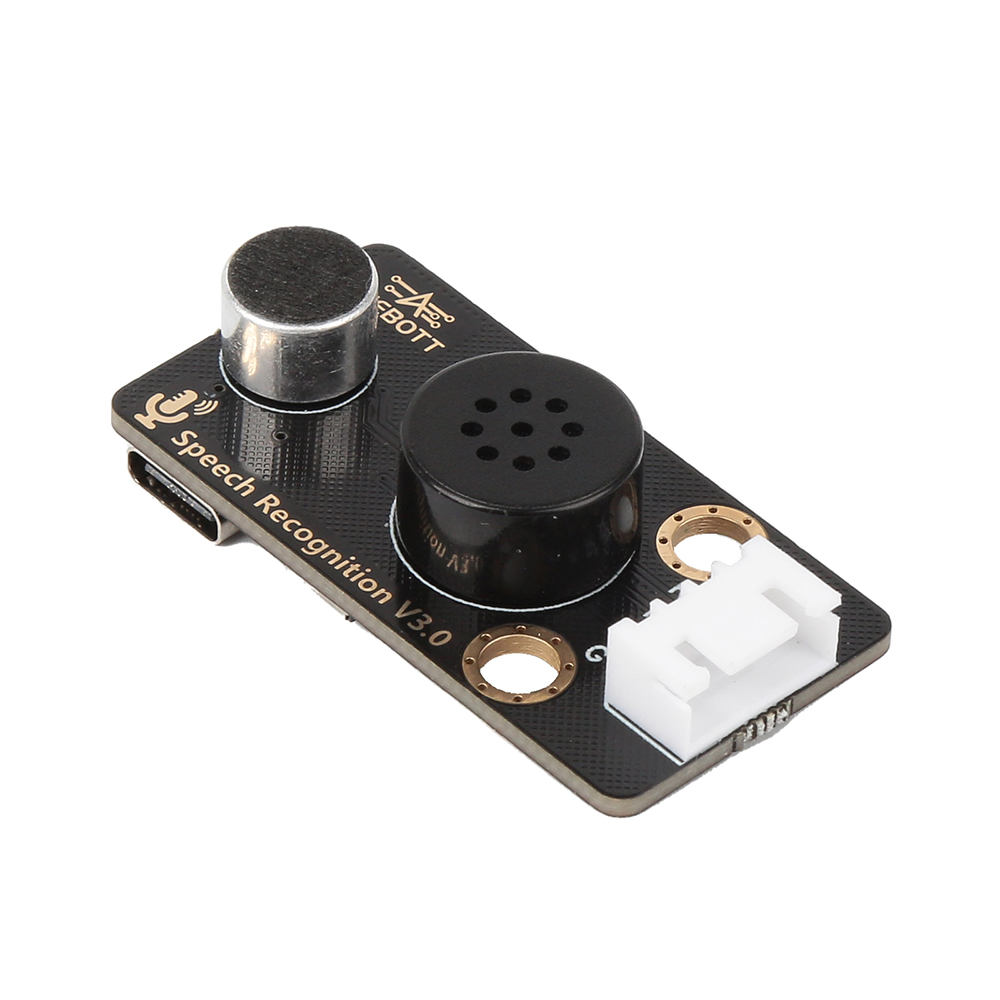
- Resolution: Shift voice synthesis to hardware-decoding dedicated MP3/BT coprocessor modules, freeing the primary CPU for inverse kinematics.
Reachy Mini Hardware Subsystem Fault Isolation Matrix
| Subsystem | Observed Malfunction | Root Cause Hypothesis | Diagnostic Benchmark | Recommended Corrective Action | Criticality |
|---|---|---|---|---|---|
| Kinematic Arm Servos | Sudden torque drop during payload retention; zero-point drift. | Thermal shutdown of internal H-bridge MOSFETs or optical encoder drift under sustained load. | Internal thermistor reports >75°C; telemetry shows position offset >3.5 degrees. | Install high-efficiency driver modules with thermal throttling; re-calibrate absolute encoders via serial calibration firmware. | Critical |
| Head Orbital Mechanism | Jitter during multi-axis pan/tilt spherical tracking. | Backlash in 3D-printed gearbox or PWM timing jitter caused by non-deterministic software interrupts. | Angular positional hysteresis >1.2mm measured at orbiter tip; jitter frequency ~50Hz. | Transition from software PWM to dedicated hardware timers; replace worn gears with carbon-fiber reinforced nylon components. | Warning |
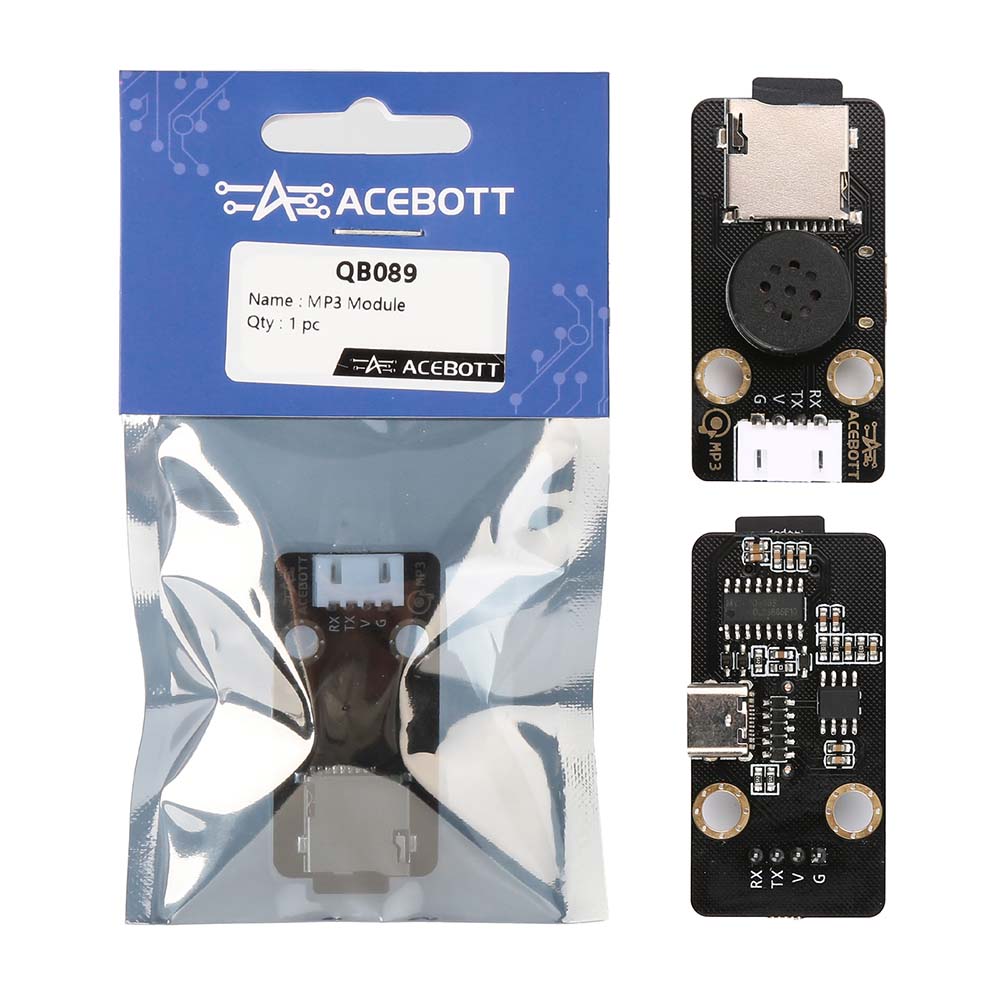
| Audio Synthesis Pipeline | Audio clipping or unexpected robotic system lockup upon playback start. | Inrush current from unbuffered analog amplifiers overloading logic power domain. | VCC drop >400mV correlated exactly with audio DAC amplifier activation spike. | Integrate buffered MP3 voice broadcast modules with isolated 5V step-down regulation and clean LC filtering. | Warning |
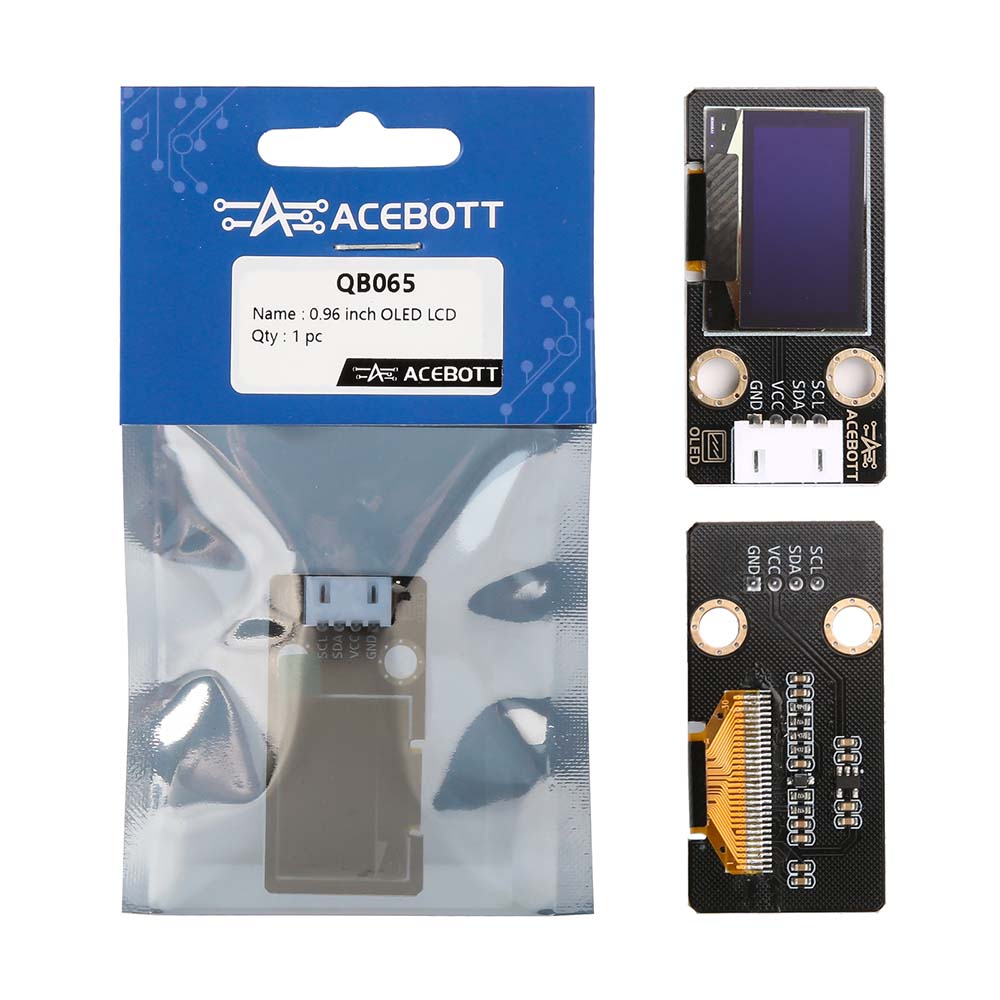
| Telemetry Display | I2C OLED screen hangs or displays corrupted pixel data. | Missing external pull-up resistors causing I2C bus lockup when SDA line is pulled low during sleep cycles. | Logic analyzer indicates SDA clamped at 0.2V with no SCL clock transition detected. | Implement hardware I2C bus recovery routine (clocking 9 dummy pulses); verify 4.7kΩ pull-ups on 3.3V bus lines. | Informational |
| Sensor Array Telemetry | Capacitive touch false triggering or RF reader communication dropout. | Electromagnetic interference (EMI) from adjacent high-speed motor brush discharge or PWM cables. | Spurious input interrupts registered during motor commutation; SNR degradation >18dB. | Route low-voltage signaling lines through shielded twisted pairs; maintain ≥25mm separation from high-current motor power rails. | Informational |
*Note: All diagnostics conform to standard industrial mechatronics procedures. When performing component-level swaps in Osaka laboratories, ensure complete electrical grounding to prevent electrostatic discharge (ESD) across exposed CMOS sensor interfaces.
Osaka Regional Mechatronics Applications & Use Cases
How universities, robotics incubators, and industrial automation enterprises across Osaka Prefecture harness modular desktop robotics and reliable component supply.
University Research & HRI Labs
Institutions in Suita, Toyonaka, and central Osaka utilize Reachy Mini architecture for advanced Human-Robot Interaction (HRI) studies. Rapid hardware diagnostics and readily available controller replacement boards allow doctoral researchers to modify kinematic chains without weeks of downtime awaiting imported parts.
Higashiosaka Precision Prototyping
Higashiosaka is renowned globally for high-precision metal and polymer fabrication. Local automation engineers integrate our modular ESP32 and Arduino motor controllers into custom desktop robotic chassis, resolving electrical interface bottlenecks before launching pilot production runs.
Commercial Reception & Expo Automation
In preparation for major international conventions, smart city showcases, and corporate showrooms in Umeda and Namba, desktop humanoid robots serve as interactive greeting ambassadors. High-reliability sound announcement and capacitive touch modules prevent public-facing system hangs.
Kansai Robotics Supply Chain Trends (2025–2030)
The robotics ecosystem across Osaka, Kobe, and Kyoto is undergoing a major paradigm shift. Historically centered on heavy industrial articulated arms for automotive and semiconductor fabrication, the region is rapidly diversifying into collaborative tabletop robotics, healthcare assistive automation, and interactive educational platforms.
1. Shift Toward Open-Architecture Mechatronics: Proprietary black-box controllers are increasingly being augmented or replaced by modular systems utilizing open embedded platforms (ESP32, STM32, Raspberry Pi RP2040). This allows Japanese developers to customize control algorithms, bypass supply chain lock-ins, and accelerate integration with modern ROS2 (Robot Operating System) nodes.
2. Decentralized Smart Actuation & Distributed Nodes: Rather than routing massive wiring harnesses back to a central computing hub, next-generation prototypes distribute motor driving, local PID loops, and telemetry sensing at the joint level. High-speed UART and CAN-FD interfaces enable lighter arm structures, lower inertia, and reduced physical wear on articulated joints.
3. Edge Voice & Vision Processing: With privacy regulations tightening across Japanese public spaces, cloud-dependent voice recognition is giving way to localized offline neural processing. Compact voice modules capable of wake-word detection and acoustic feedback without external server connectivity have become a standard procurement requirement for Kansai corporate installations.
Frequently Asked Questions by Osaka Procurement & Engineering Teams
Commercial terms, component compatibility, logistics to Kansai International Airport (KIX) / Osaka Port, and OEM customization capabilities.
How quickly can replacement components reach our facility in Osaka?
For urgent engineering repairs and sample evaluations, express air shipments (via DHL, FedEx, or SF International) deliver directly to Osaka, Kyoto, and Kobe within 3 to 5 business days from our Shenzhen manufacturing facility. Bulk pallet orders are handled via direct sea freight arriving at Osaka Port within 7 to 10 days.
Are your modules compatible with 3.3V logic used on Reachy Mini mainboards?
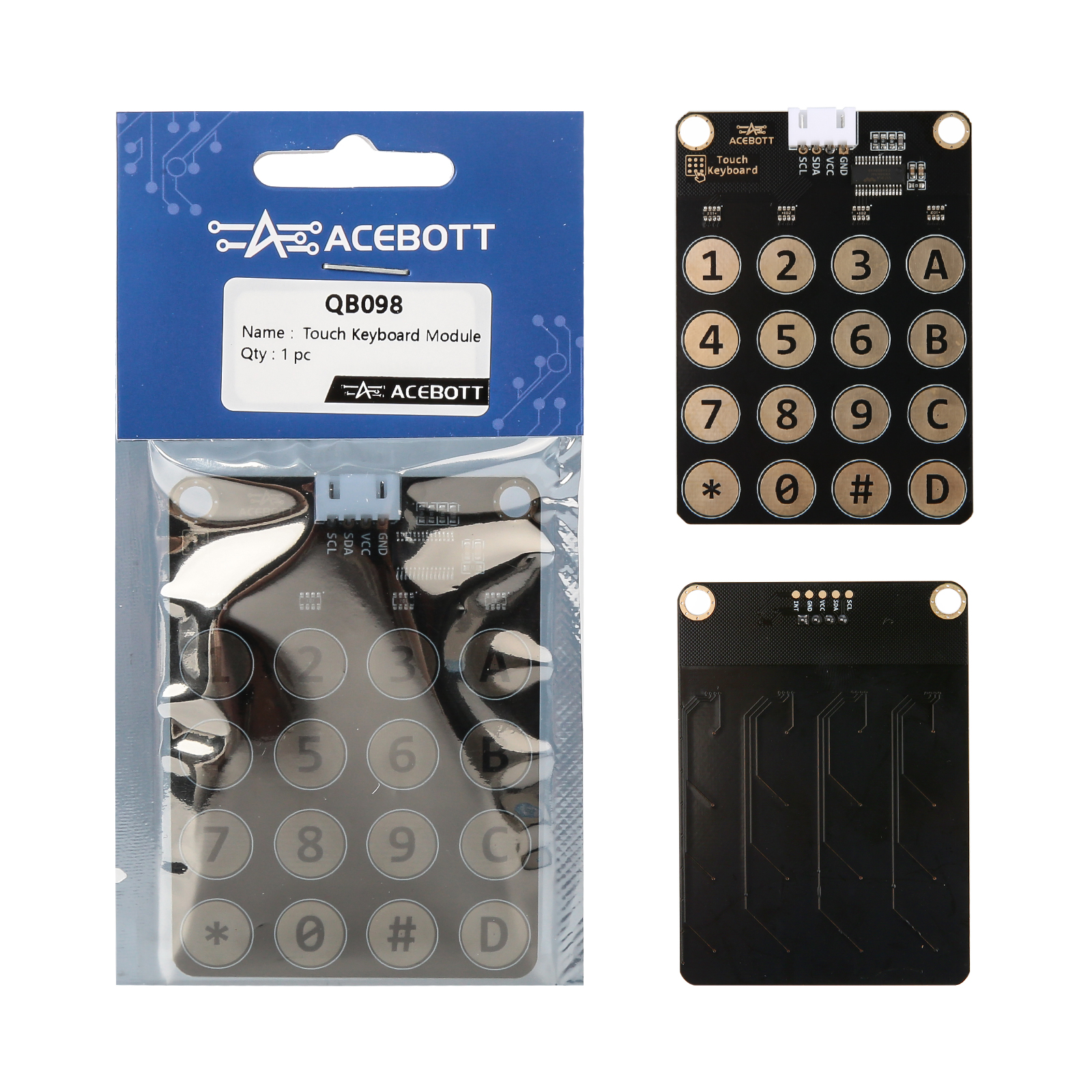
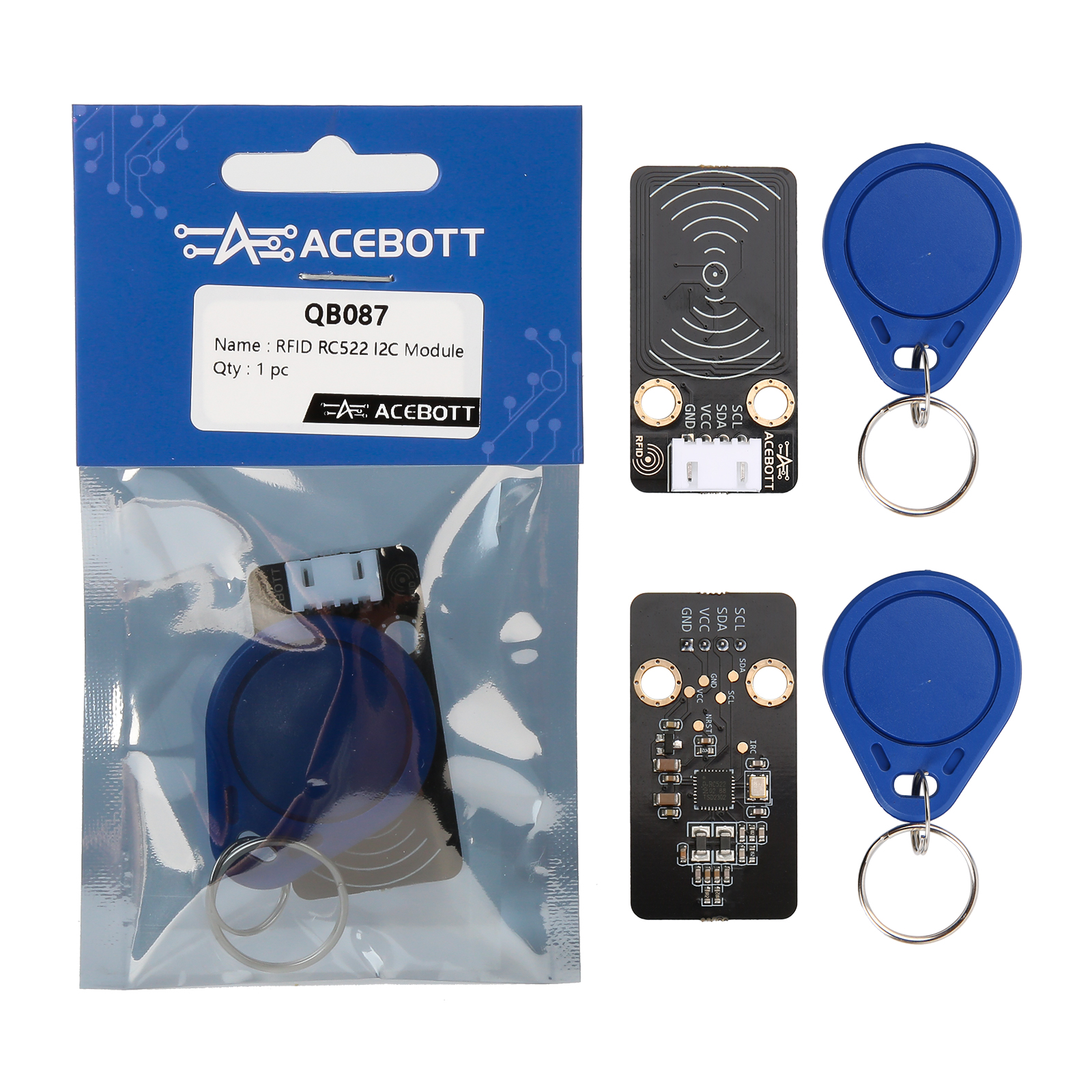
Yes. All recommended components—including our DC motor controllers, OLED diagnostic screens, capacitive matrix keypads, and RC522 RFID readers—feature flexible 3.3V/5V operating logic or integrated bidirectional level shifting, ensuring seamless operation with ESP32, Raspberry Pi, and Arduino hardware.
Can Shenzhen Reachybott provide customized OEM/ODM component batches?
Absolutely. We provide comprehensive OEM/ODM manufacturing including custom PCB layout revisions, modified connector types (e.g., JST-XH, PH, or screw terminals), pre-flashed diagnostic firmware, and private-label packaging tailored for educational distributors and corporate hardware brands across Japan.
What documentation and technical support do you provide during integration?
Every modular kit and sensor is supported by open-source GitHub repositories, detailed C++/MicroPython libraries, hardware pinout schematics, and wiring connection diagrams. Our technical engineering team provides direct B2B consultation for debugging complex bus conflicts and communication timeouts.
What are the accepted trade terms and transaction currencies?
We support versatile commercial delivery terms including FOB, CIF, EXW, and DDP (Delivered Duty Paid), allowing Japanese buyers to receive shipments without customs brokerage complexities. Accepted settlement methods include T/T wire transfer, PayPal, Credit Card, and LC, payable in JPY, USD, or EUR.
How is factory quality verified prior to export dispatch?
Our manufacturing facility in Shenzhen operates under rigorous ISO quality controls. Every electronic module undergoes 100% automated optical inspection (AOI), functional voltage testing, and burn-in load testing. Our premises and credit ratings are verified on-site by international third-party audit agencies on Alibaba.com with a 4.8/5 buyer rating.
Need Urgent Troubleshooting Support or Component Procurement in Osaka?
Connect directly with our senior hardware application engineers. Whether you need single-piece diagnostic replacement units, customized cabling harnesses, or high-volume OEM robotics controller manufacturing, our team delivers precision solutions within 24 hours.