ESP32 Smart Robot Development Board
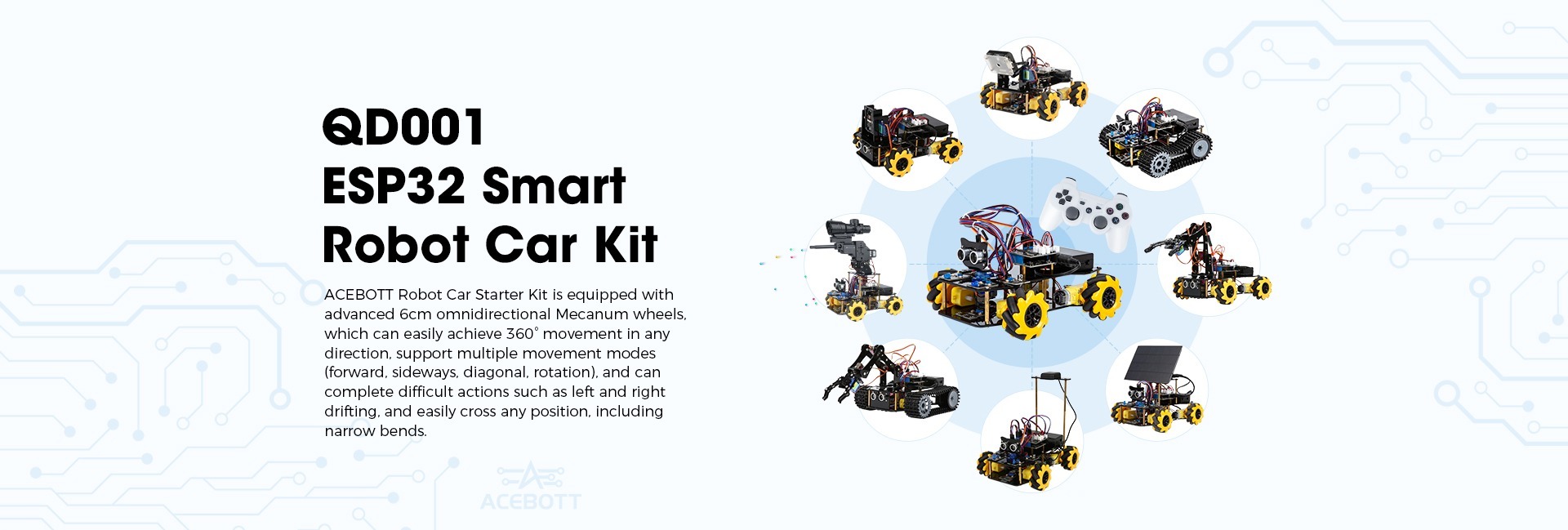
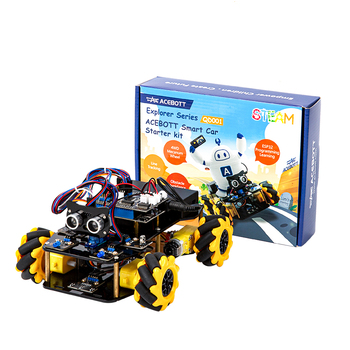
High-speed 240MHz dual-core microcontroller board with integrated L298N motor drivers, dual Wi-Fi/BLE communication, ultrasonic collision sensing, and line-tracking channels.
Engineered by Shenzhen Reachybott Co., Ltd. for school districts, robotics academies, university engineering labs, and global distributors seeking reliable OEM/ODM embedded platforms.
In modern computer science and embedded robotics education, the phrase "microcontroller learning board" has evolved from simple 8-bit breakout chips to fully integrated edge-computing systems. Institutional decision makers, curriculum directors, and commercial distributors are no longer merely buying circuit boards; they are acquiring end-to-end learning pathways capable of teaching C/C++, MicroPython, Scratch 3.0 visual syntax, and neural network edge inferences.
Shenzhen Reachybott Co., Ltd. operates at the critical confluence of embedded electronics manufacturing and pedagogical engineering. Headquartered in the Tairan Technology Park of Shenzhen—the world's capital for precision electronics—our team transforms bare silicon into ruggedized, ESD-protected, and curriculum-ready microcontroller platforms. We solve the persistent structural problems faced by international buyers: inconsistent component sourcing, absent classroom documentation, fragile trace designs, and restrictive proprietary software lock-ins.
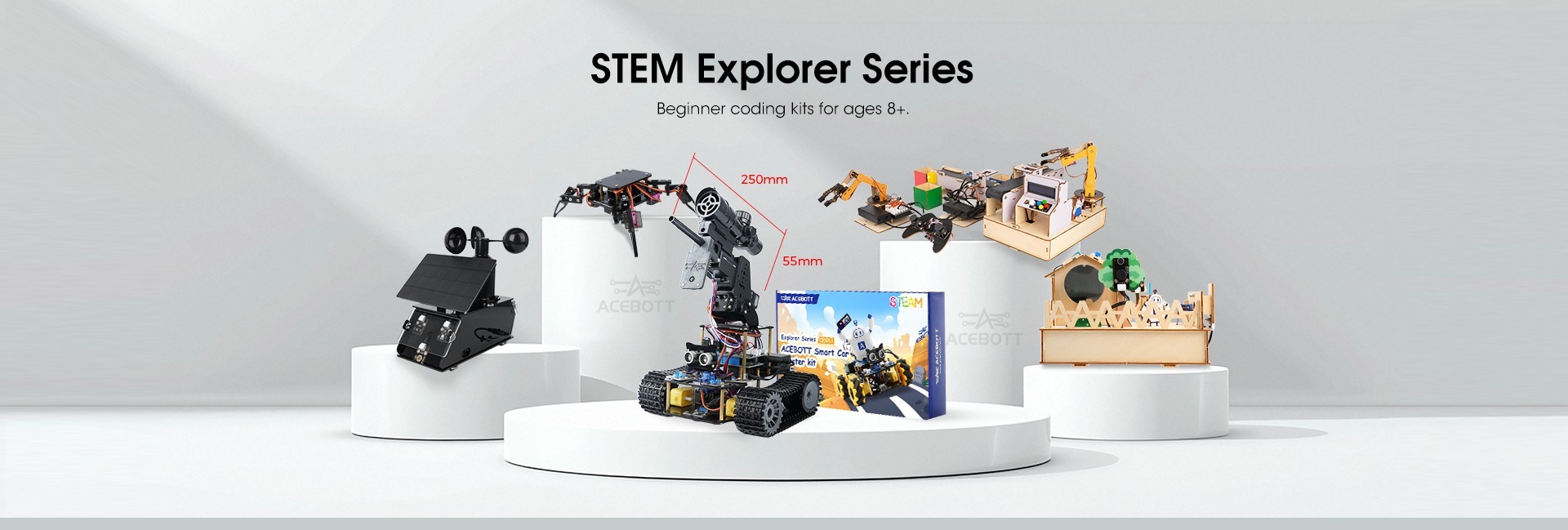
Explore production-tested development architectures optimized for classrooms, makerspaces, and OEM private branding.
High-speed 240MHz dual-core microcontroller board with integrated L298N motor drivers, dual Wi-Fi/BLE communication, ultrasonic collision sensing, and line-tracking channels.
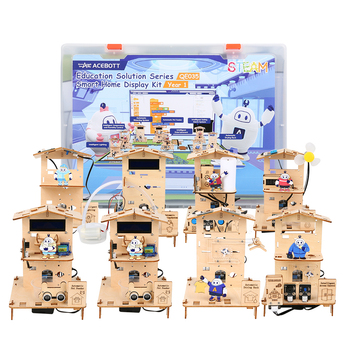
Designed for environmental automation education. Integrates OLED I2C displays, DHT11 sensors, gas leak detectors, RFID modules, and relay driver logic on one platform.
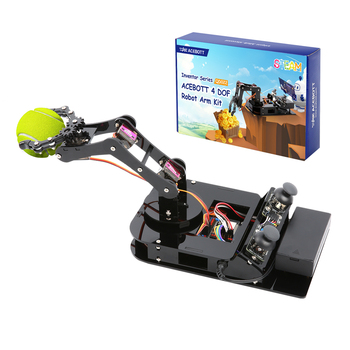
Specialized servo-driving microcontroller learning board engineered for multi-axis kinematics, PWM current balancing, and real-time inverse coordinate calculation.
Turnkey lab package containing an ESP32 learning board, 29 modular components, high-tolerance breadboards, jumper networks, and 37 guided coding tutorials.
| Learning Board Model | Processing Core & Frequency | Connectivity Stack | Firmware Compatibility | Optimal Sourcing Objective |
|---|---|---|---|---|
| Standard ATmega Learning Board | 8-bit RISC / 16 MHz | UART / USB Type-B or C | Arduino IDE, C/C++, MakeCode | Primary school STEM, fundamental digital I/O training, basic logic gate courses. |
| ESP32 Dual-Core IoT Learning Board | 32-bit Xtensa LX6 / 240 MHz | 2.4GHz Wi-Fi 802.11 b/g/n + BLE 4.2 | MicroPython, Arduino C++, FreeRTOS | High schools, vocational colleges, smart city prototyping, and networked IoT. |
| ESP32-S3 Edge AI Learning Board | 32-bit Xtensa LX7 + Vector Ext / 240 MHz | Wi-Fi 4 + BLE 5.0 Mesh | TinyML, TensorFlow Lite for Micro, ESP-IDF | University computer science labs, machine vision, voice keyword detection. |
| Multi-Channel Motion Servo Board | ESP32 + PCA9685 I2C Co-processor | Wi-Fi WebSockets, Bluetooth App | Scratch 3.0, Arduino IDE, ROS Integration | Advanced robotics labs, multi-legged robots, and 4-axis industrial simulators. |
Customized pinouts, silkscreen graphics, peripheral additions, and specialized firmware are available across all volume production orders at Shenzhen Reachybott Co., Ltd.
How institutional procurement criteria and tender requirements are reshaping B2B electronics manufacturing over the next five years.
Global education buyers are actively transitioning from passive sensors to on-device machine learning. Microcontroller learning boards are expected to execute TinyML neural network inferences for facial recognition, gesture control, and acoustic keyword spotting locally without cloud latency, driving rapid adoption of ESP32-S3 and ARM Cortex-M4/M33 cores.
Classroom time is limited. Institutional buyers are moving away from fragile jumper wires that cause classroom troubleshooting logjams. Modern microcontroller learning boards now adopt standardized screwless terminals, Grove/Qwiic 4-pin I2C polarized sockets, and magnetic snap-on connectors that guarantee electrical integrity while teaching bus communications.
Procurement teams demand low failure rates. Microcontroller learning boards exposed to young students must survive direct short-circuits, 12V back-feeding into 3.3V GPIO lines, and severe static discharges. Leading purchasers now specify self-resetting polyfuses, TVS electrostatic diode arrays, and isolated ground loops as standard tender prerequisites.
Hardware utility depends heavily on software accessibility. Leading educational organizations demand that a single microcontroller learning board transition smoothly from visual block coding (Scratch 3.0) to MicroPython scripting and compiled C/C++ in the Arduino IDE. Browser-based programming via WebSerial and WebBluetooth eliminates tedious driver installs on school Chromebooks.
Institutional purchasers no longer tolerate isolated, black-box hardware modules. Modern government and private tenders mandate complete schematics, open-source C++ library dependencies, modular curriculum step-guides, and digital repository access to ensure long-term pedagogical viability beyond single-semester purchasing cycles.
European and North American distributors require rigorous compliance verification including RoHS 2.0, CE, FCC-ID, and REACH documentation. Enterprise tenders prioritize factories that ensure long lifecycle continuity of the main SoC to avoid sudden silicon end-of-life redesigns during multi-year curriculum cycles.
Ten years ago, educational microcontroller hardware was defined by straightforward single-threaded 8-bit microcontrollers running at modest clock speeds. While ideal for learning simple resistor-transistor-logic and foundational register manipulation, these boards struggle with the computational demands of today’s modern curriculum.
The contemporary microcontroller learning board has transformed into a sophisticated multi-bus computing architecture. By leveraging advanced dual-core microcontrollers like the ESP32 series, educators can allocate one 240MHz core purely to real-time deterministic hardware tasks (such as microsecond-accurate stepper motor pulses or PID balance loops) while delegating the secondary core to asynchronous networking, FreeRTOS tasks, Wi-Fi web serving, and Bluetooth Low Energy handshakes.
Furthermore, power delivery has seen critical upgrades. Shenzhen Reachybott Co., Ltd. incorporates high-efficiency synchronous step-down switching regulators capable of delivering continuous 3.3V and 5.0V power rails up to 2.5A. This prevents the frequent brownouts and erratic MCU reboots that plague lesser boards when students activate high-draw digital servos or high-brightness RGB matrix arrays simultaneously.
From university research benches to international coding competitions, see how Shenzhen Reachybott Co., Ltd. microcontroller boards perform in active hands.


Direct factory engineering, verified trade capacity, and end-to-end quality assurance located right in China's Silicon Valley.
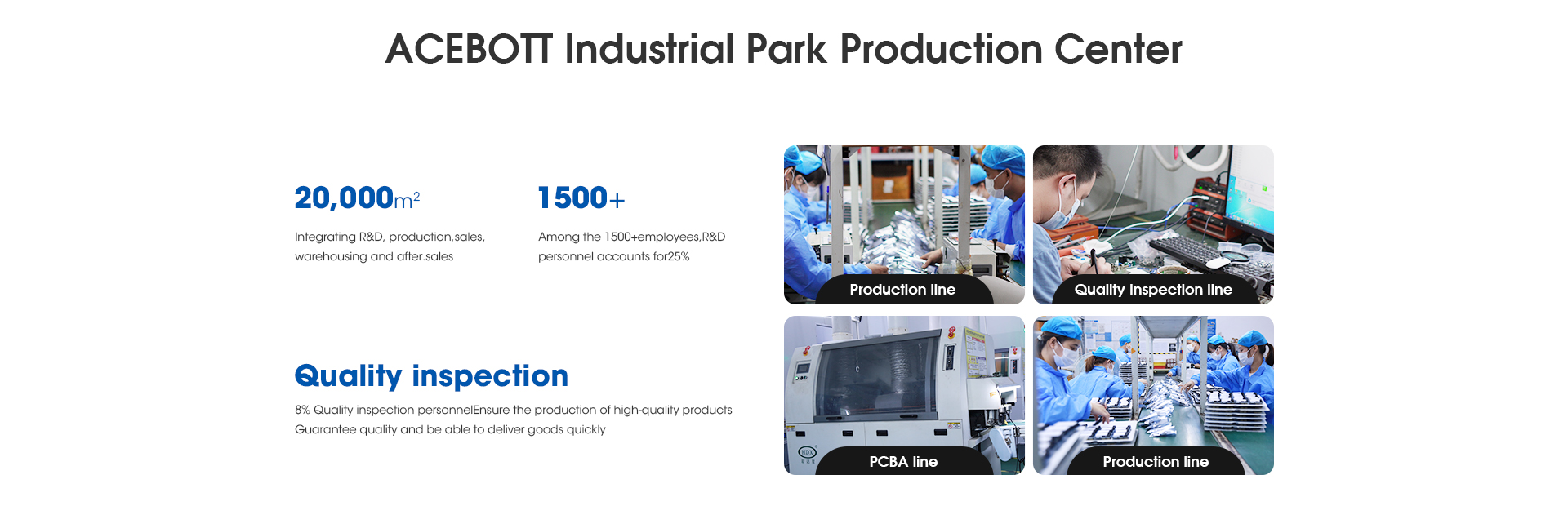
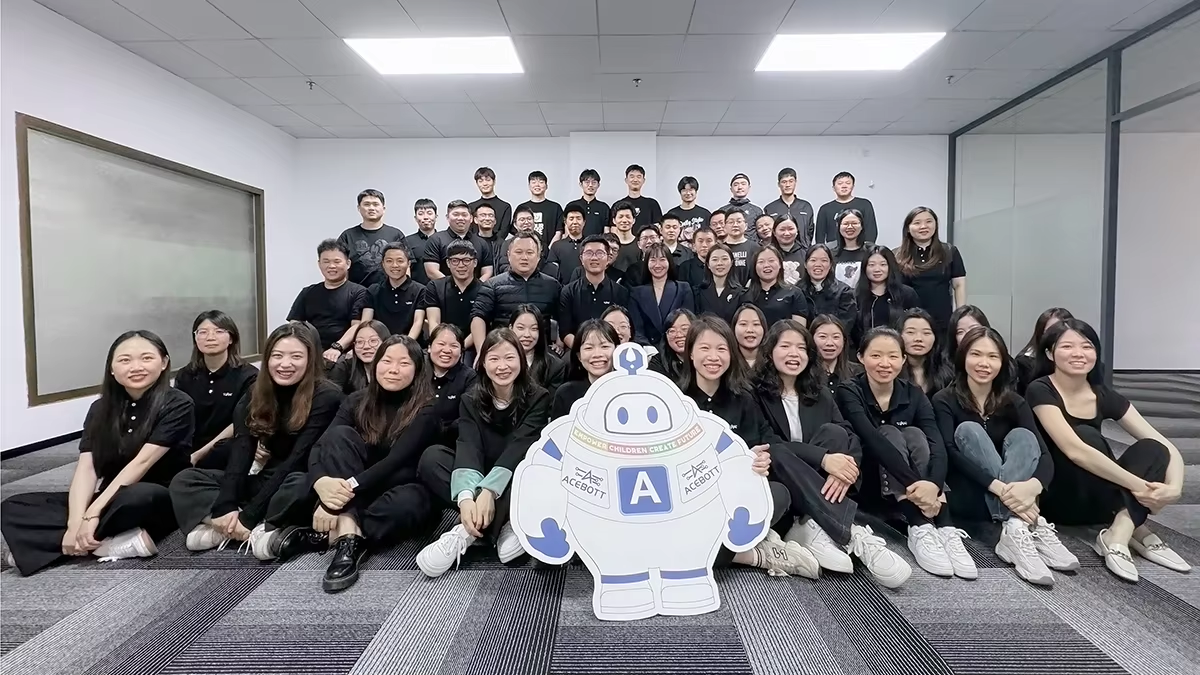
Over 150 dedicated employees spanning hardware schematics, PCB layout, firmware library compilation, surface mount soldering, and manual final packaging within our 3,000+ m² facility.
We provide comprehensive private labeling services: custom solder mask colors, laser silkscreen branding, tailored connector pinouts, customized bootloaders, and localized box packaging.
Every microcontroller learning board undergoes 100% automated electrical testing and functional firmware validation before boxing. Onsite-verified premises on Alibaba with a consistent 4.8/5 buyer score.
Clear, direct answers for educational buyers, supply managers, and distributors evaluating wholesale electronics.
8-bit microcontroller learning boards (such as classic ATmega328P platforms) feature clock speeds around 16 MHz with modest RAM (2KB to 8KB). They excel at teaching bare-metal fundamentals, basic digital switching, and low-level register configuration. However, 32-bit learning boards (such as ESP32 dual-core Xtensa microcontrollers) operate at up to 240 MHz with substantial SRAM (520KB+) and built-in Wi-Fi/Bluetooth. They are required for higher-order modern curricula involving IoT cloud integrations, web dashboards, graphical OLED rendering, MicroPython execution, and machine learning inferences.
Classroom environments place extreme thermal and electrical stress on open circuitry. At Shenzhen Reachybott Co., Ltd., our engineering team integrates self-recovering PPTC polyfuses on the primary 5V power bus, TVS diode arrays across all high-speed USB data channels, and series current-limiting resistors on exposed GPIO lines. Furthermore, our boards feature robust anti-reverse protection diodes preventing damage from accidentally reversing external battery pack polarities.
Yes. OEM and ODM customization represent the core of our business at Shenzhen Reachybott Co., Ltd. We support custom solder-mask colors (blue, black, red, green), customized institutional logos laser-printed onto the MCU shielding and PCB silkscreen, custom pin header coloring, and branded packaging boxes. Furthermore, our pedagogical engineering department provides white-label, localized step-by-step PDF manuals and video tutorials customized with your institution's branding.
To enable international institutions and tender evaluators to inspect build quality directly, sample units can be ordered starting from just 1 piece. For volume distributor orders and custom OEM production runs, minimum quantities generally start at 100 to 500 units depending on the depth of hardware modification and custom packaging specifications.
We accommodate all standard Incoterms including FOB Shenzhen, CFR, CIF, EXW, FCA, CPT, CIP, DDP, and DDU, as well as expedited international express freight (DHL, FedEx, UPS) for urgent sample batches. We accept wire transfer payments via T/T, credit cards, PayPal, Western Union, and Escrow across multiple international currencies including USD, EUR, GBP, CAD, AUD, and CNY.
Yes. All products manufactured by Shenzhen Reachybott Co., Ltd. are produced using strictly lead-free, RoHS 2.0-compliant soldering processes and certified components. Our wireless development boards (incorporating ESP32 and ESP8266 radio modules) carry relevant CE and FCC certification documentation required for legal importation across the European Union, North America, and Australia.
Collaborate directly with Shenzhen Reachybott Co., Ltd. for sample evaluations, customized hardware revisions, and competitive volume B2B quotes tailored to your exact delivery timelines.