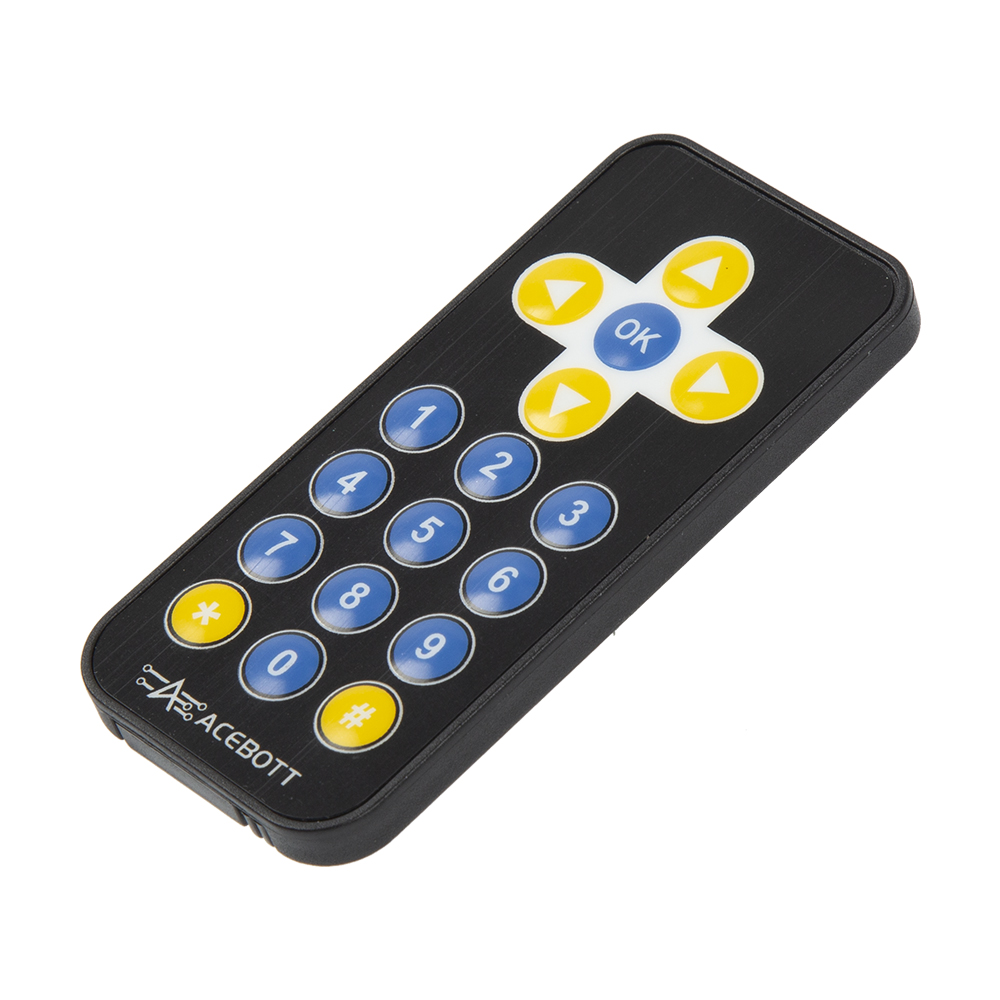
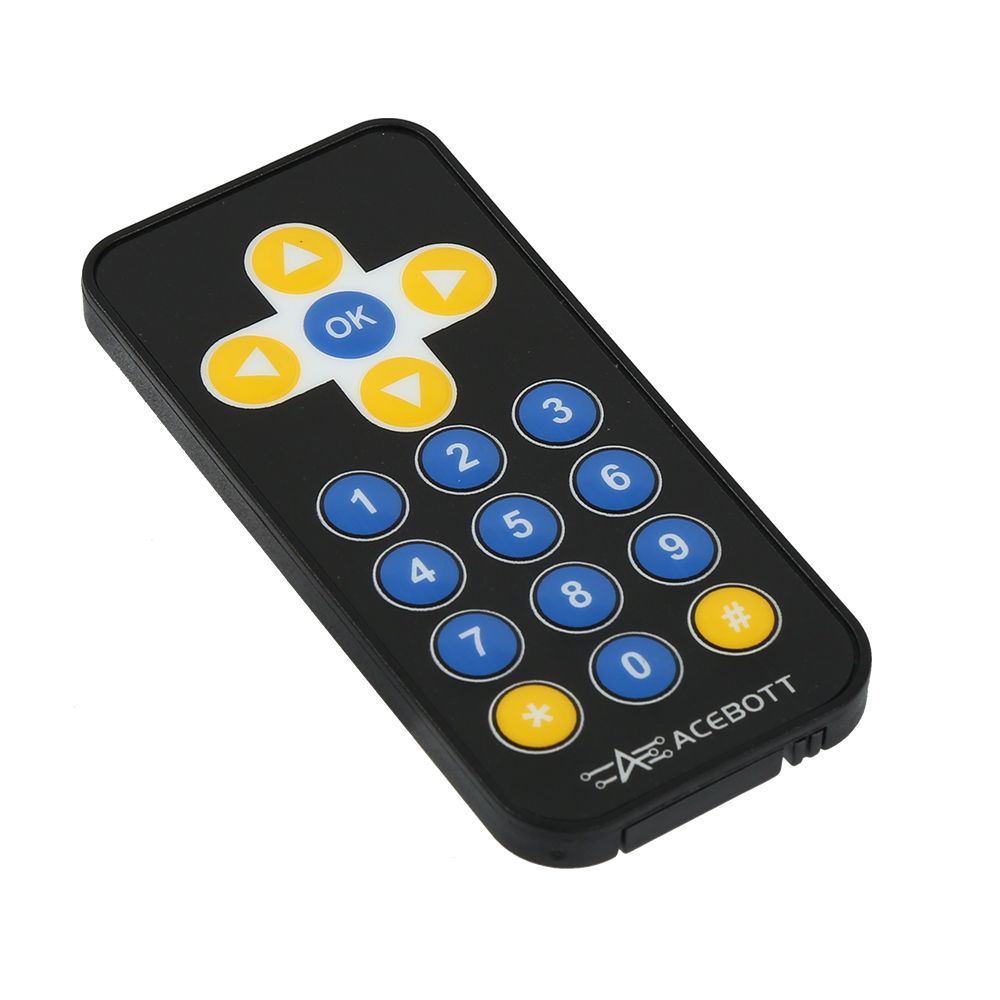
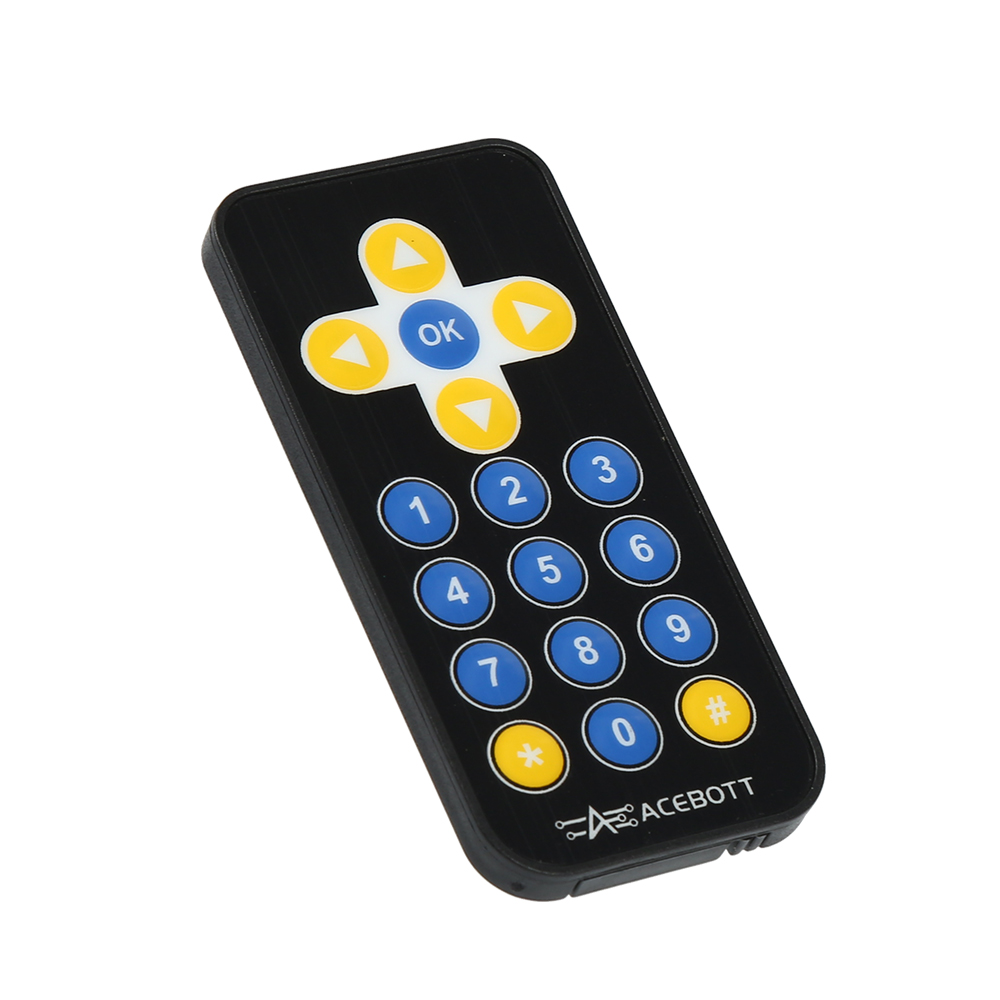
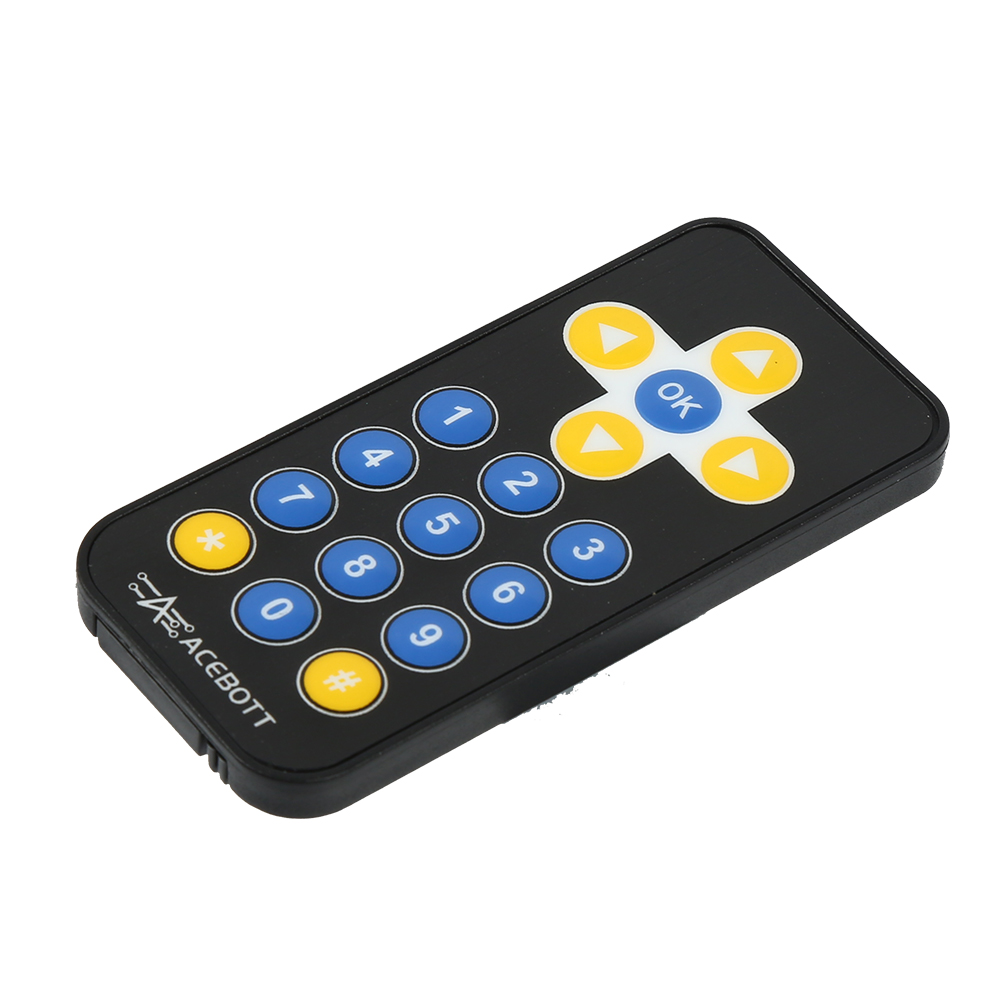
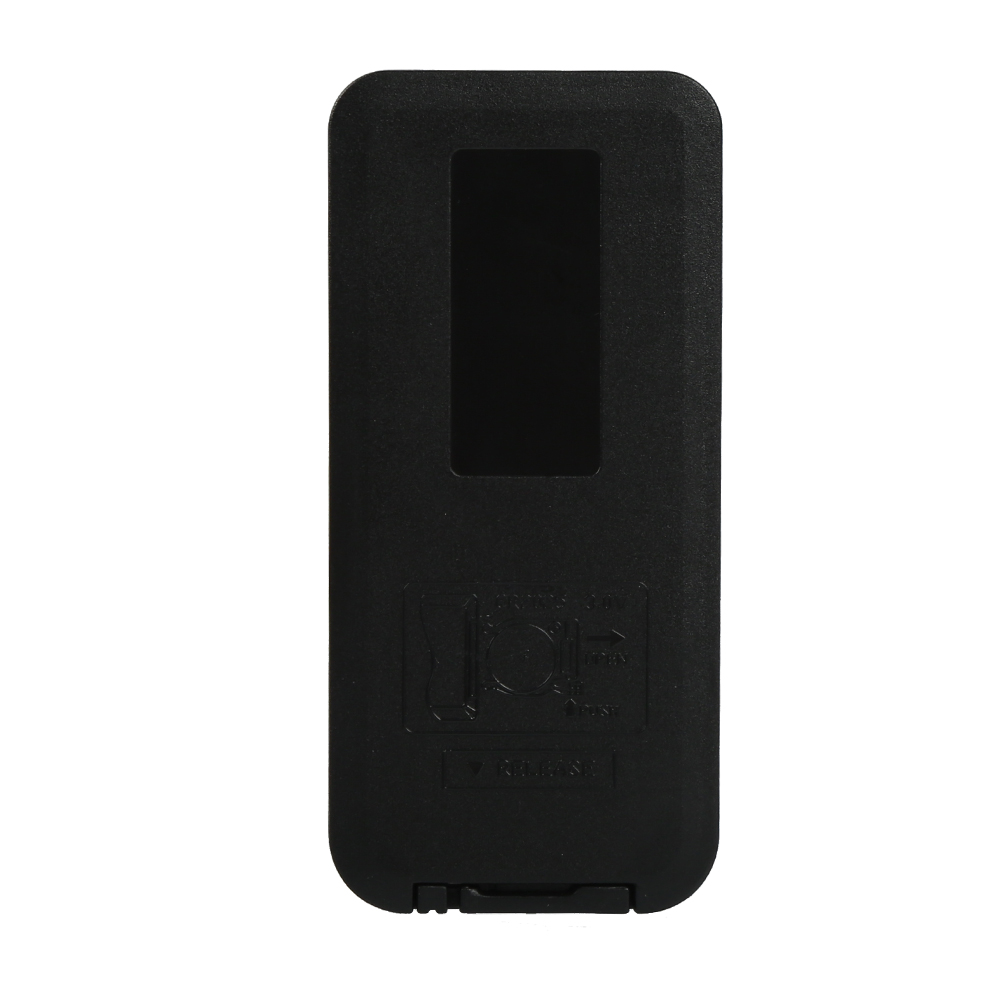
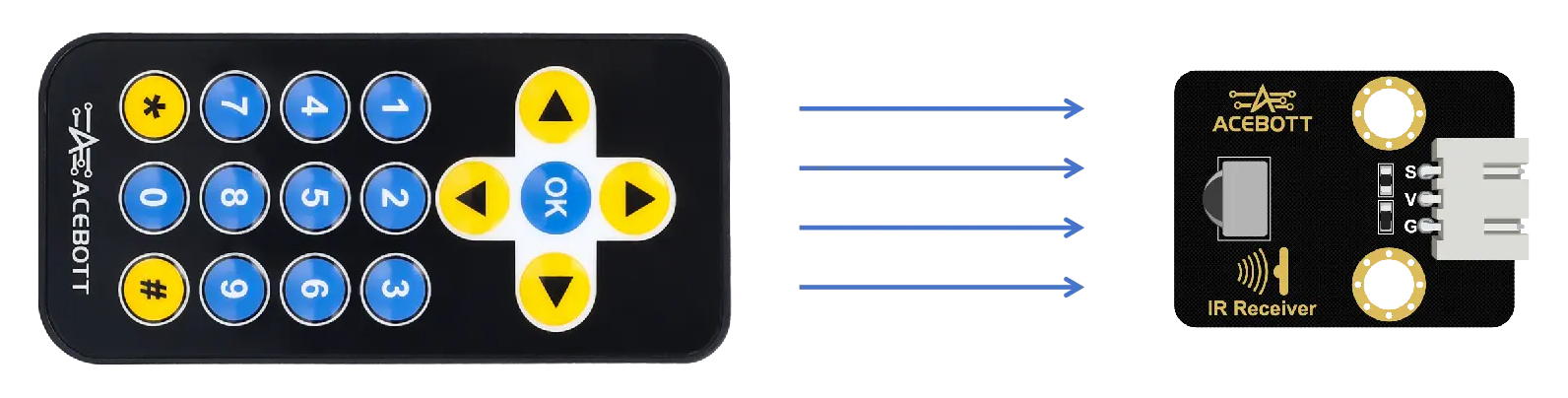
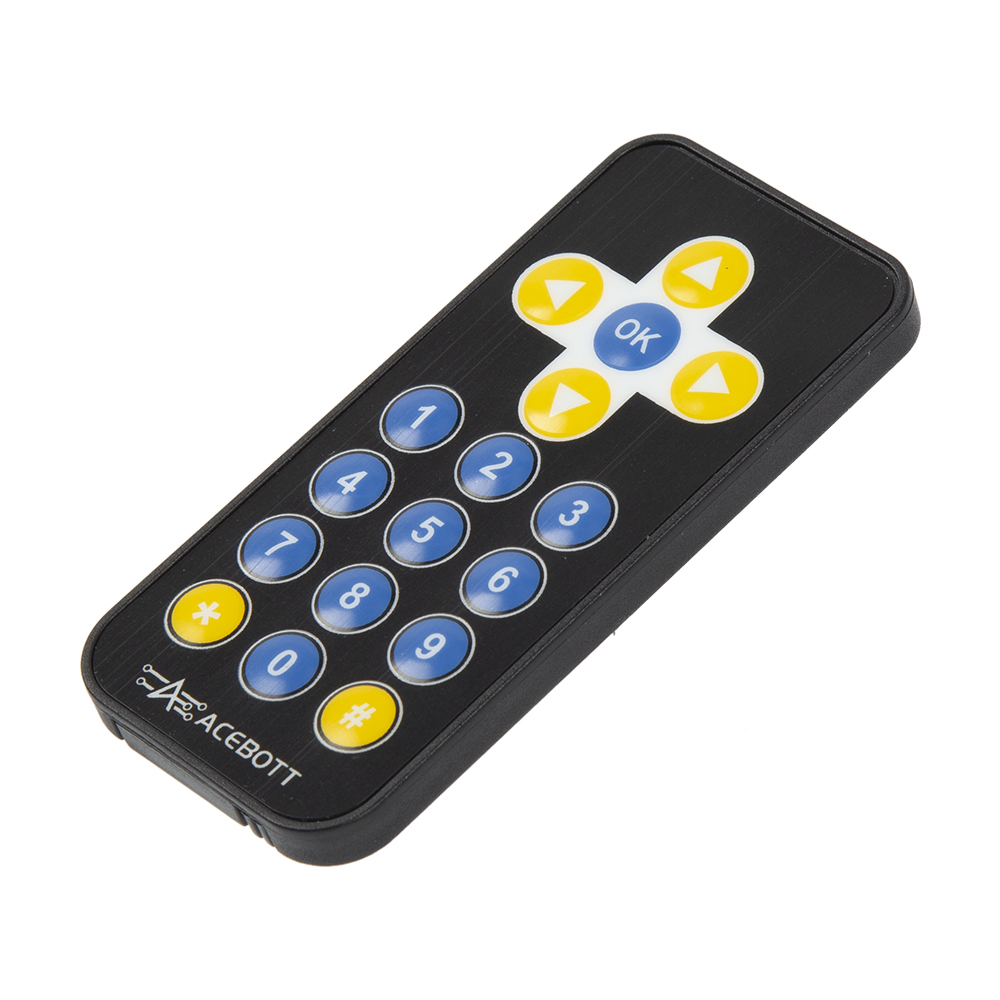
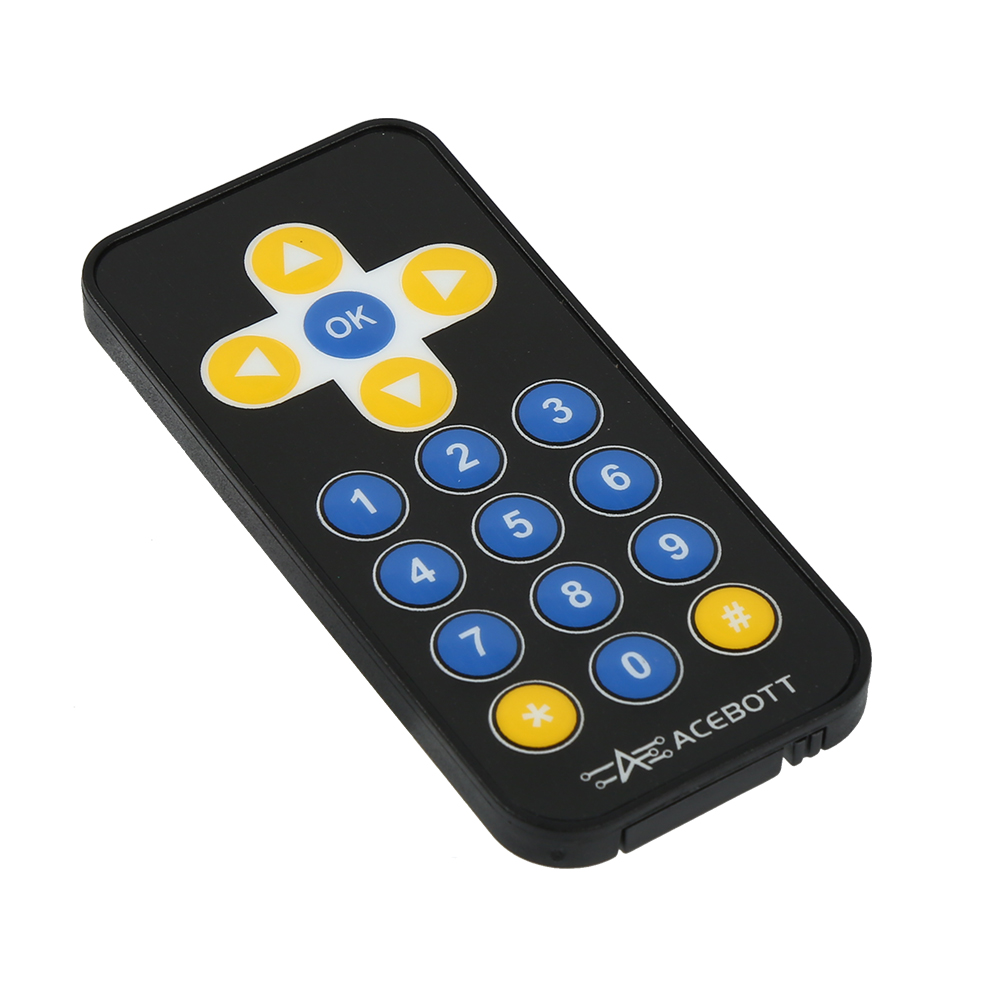
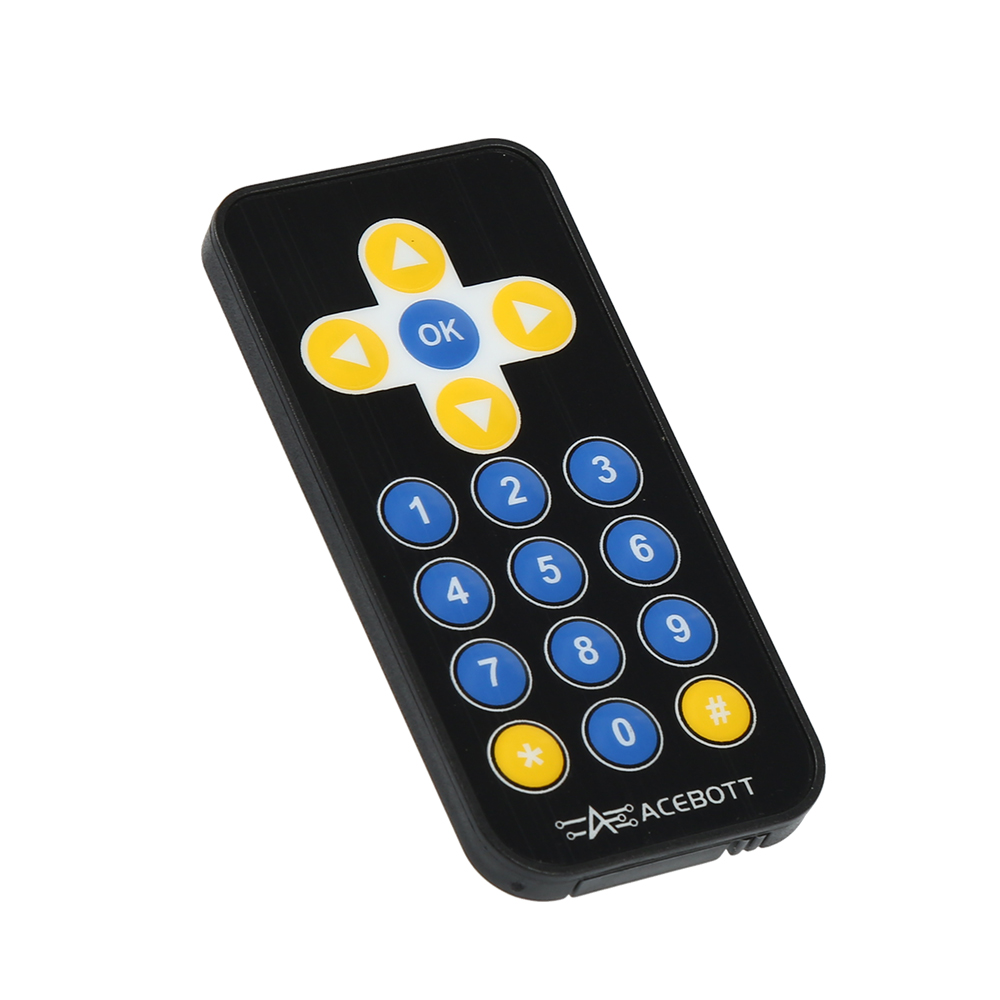
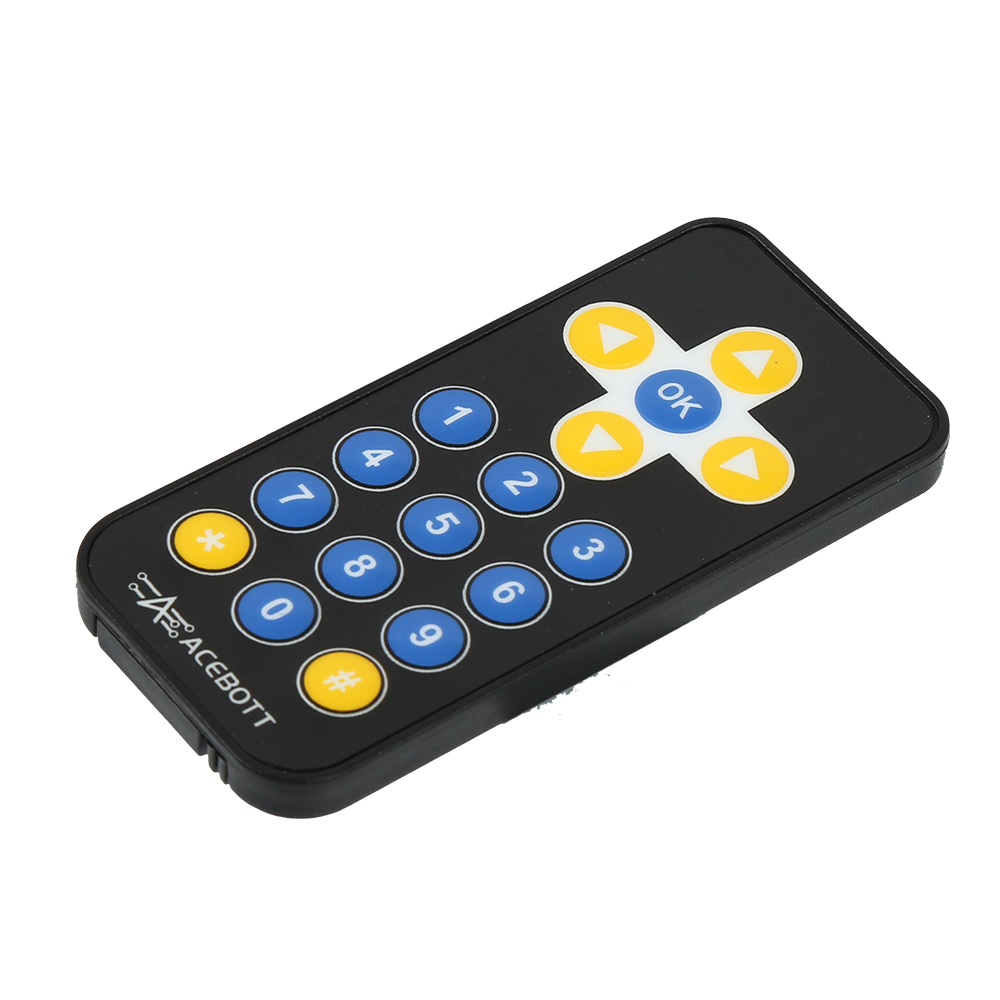
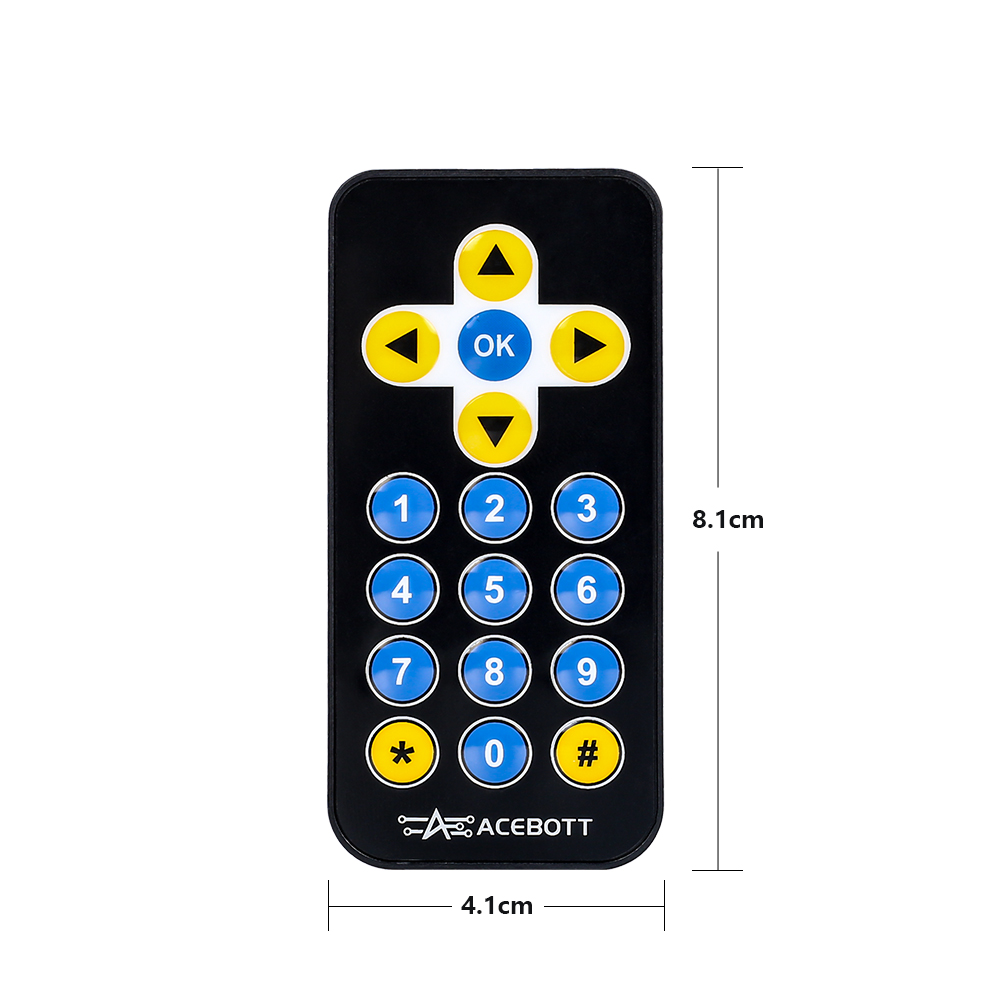
As the transmitting part, the infrared remote control can emit infrared light signal. Infrared light signal is a kind of electromagnetic wave, its wavelength is long, the human eye can not see. When the button in the infrared remote control is pressed, the infrared remote control will emit a specific infrared light signal, and each key corresponds to a specific infrared code.
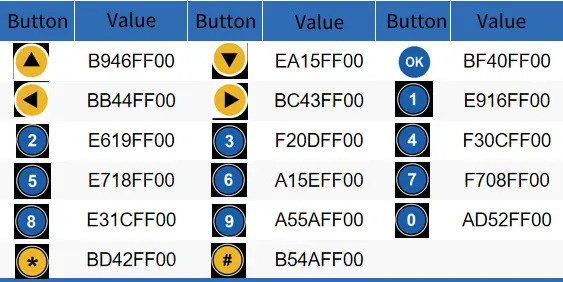
Corresponding coding value of infrared transmitting module
Frequently Asked Questions (FAQ)
Q1: How does an infrared remote control transmit commands?
When a button is pressed, the internal encoder translates the action into a binary code. The transmitter diode converts this code into pulses of invisible infrared light emitted at a designated frequency (commonly 38kHz).
Q2: Why can't the human eye see the emitted infrared signal?
Infrared light operates at a wavelength longer than that of visible light, placing it outside the visual detection range of the human eye.
Q3: What does the coding value of an infrared key represent?
Each key has a distinct hexadecimal or binary code configured to avoid command conflicts, allowing the receiver unit to unambiguously identify and execute the targeted operation.
Q4: How can I verify whether an infrared transmitter module is firing properly?
Most digital smartphone cameras do not filter out near-infrared radiation completely. Pointing the IR transmitter directly into a phone camera while pressing a key typically displays a faint purple or whitish flashing light on screen.
Q5: What factors can affect the effective range of the transmission module?
The effective transmission distance is typically affected by the direct line of sight, strong ambient light (such as direct sunlight), battery supply voltage, and any physical obstacles placed between the transmitter and receiver.