OEM/ODM Reachy Mini Wide Angle Camera Exporter & Exporters
Precision Embedded Vision Solutions, Optical Integration & Turnkey Electronics Engineering for Autonomous Robotics, Advanced STEM Education, and Edge AI Systems
160°
Ultra-Wide FOV Distortion Corrected
1080P
Low-Latency Hardware Encoding
3,000m²
ISO-Certified Facility in Shenzhen
4.8/5
Global Verified B2B Trade Rating
Executive Technical Brief
Industrial Optical Architecture for the Reachy Mini Vision Ecosystem
In modern spatial computing, desktop robotics, and interactive artificial intelligence platforms, visual perception is the central baseline for operational autonomy. When sourcing an OEM/ODM Reachy Mini wide angle camera exporter, enterprise buyers and robotics integrators require far more than an off-the-shelf image sensor. The mechanical footprint of open-source humanoid configurations, specifically dynamic multi-axis heads like the Reachy Mini Bot, requires optical engineering designed to solve severe constraints: miniature form factors, negligible rotational inertia, wide situational awareness without spherical fish-eye distortion, and seamless bus compatibility with embedded controller boards including ESP32, ESP8266, Raspberry Pi Compute Modules, and Arduino architectures.
Shenzhen Reachybott Co., Ltd. serves tier-one academic institutes, STEM robotics brands, and commercial hardware integrators worldwide. We provide custom optical assembly (BOM level), ISP sensor tuning, high-flex flat printed circuit (FPC) routing, and unified edge communication protocols. By integrating high-resolution low-light CMOS sensors with ultra-wide angle non-distorting optical elements (FOV 120° to 160°), our custom-engineered camera assemblies allow mobile robots and robotic heads to track spatial objects, recognize facial vectors, and process optical flow algorithms with maximum computing efficiency.
Embedded Hardware Portfolio
Recommended Modules & Optical Peripherals for Reachy Mini Assemblies
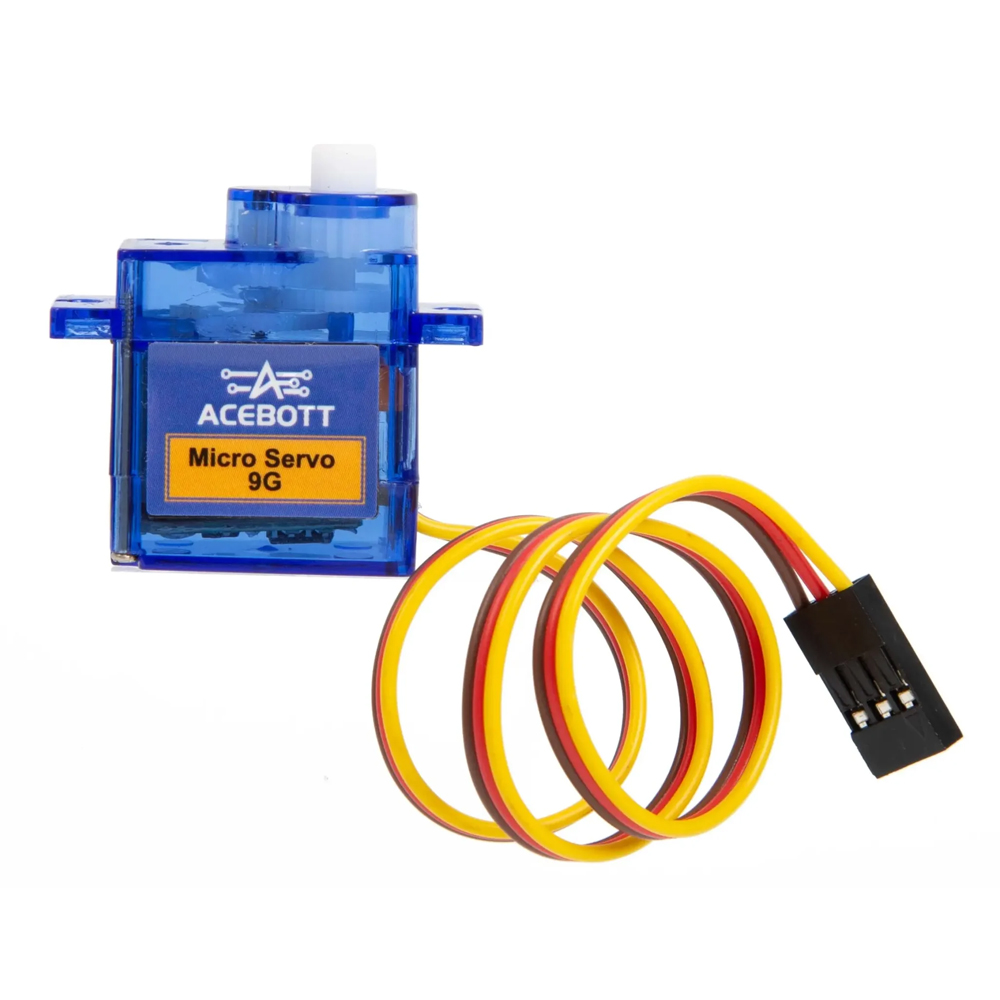
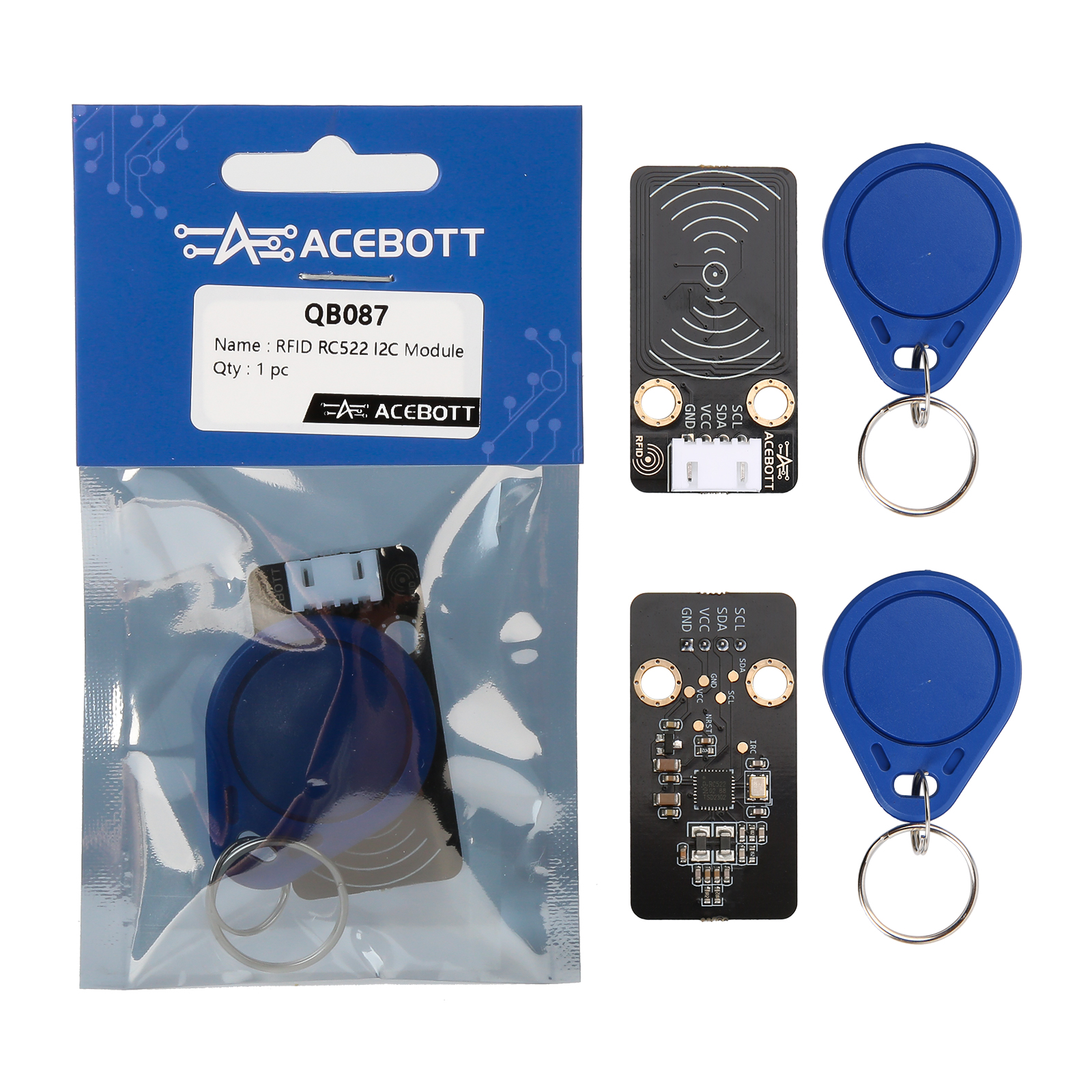
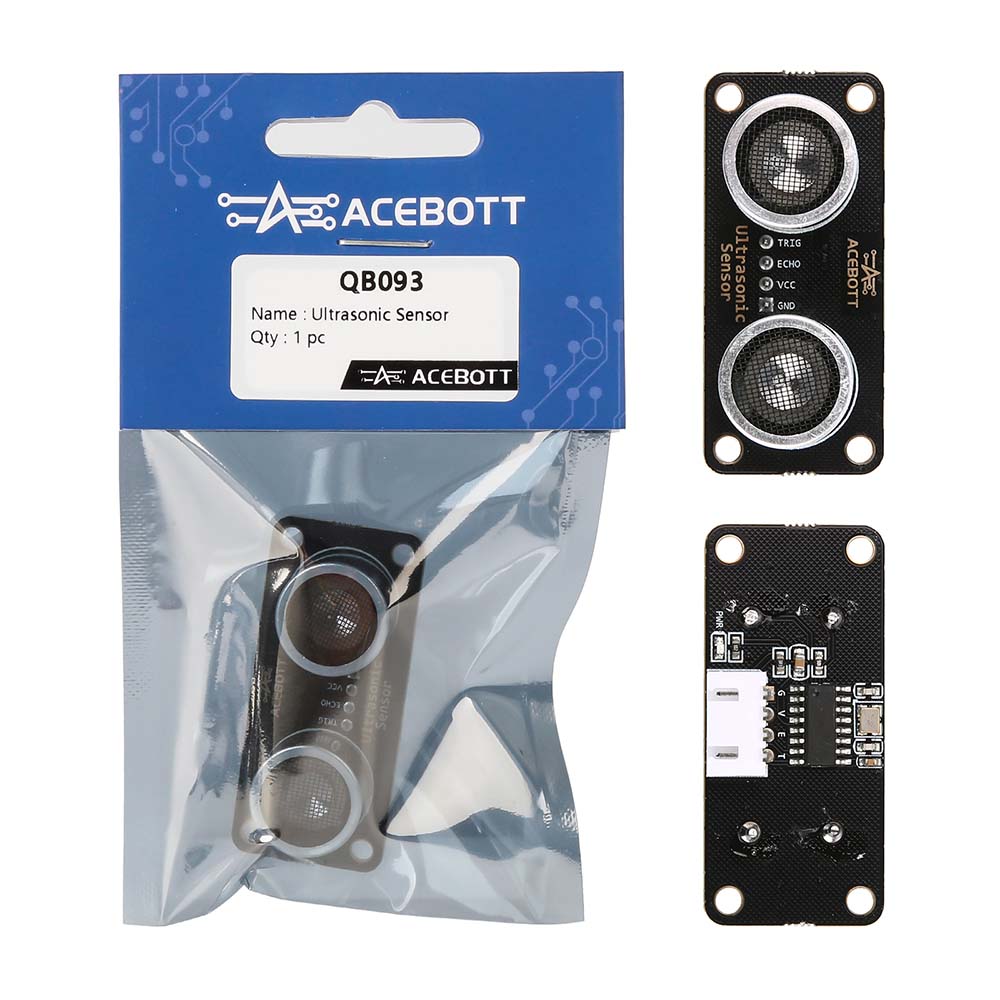
Explore standard modular building blocks, sensors, and actuation interfaces precision-engineered for integration with wide-angle camera systems.
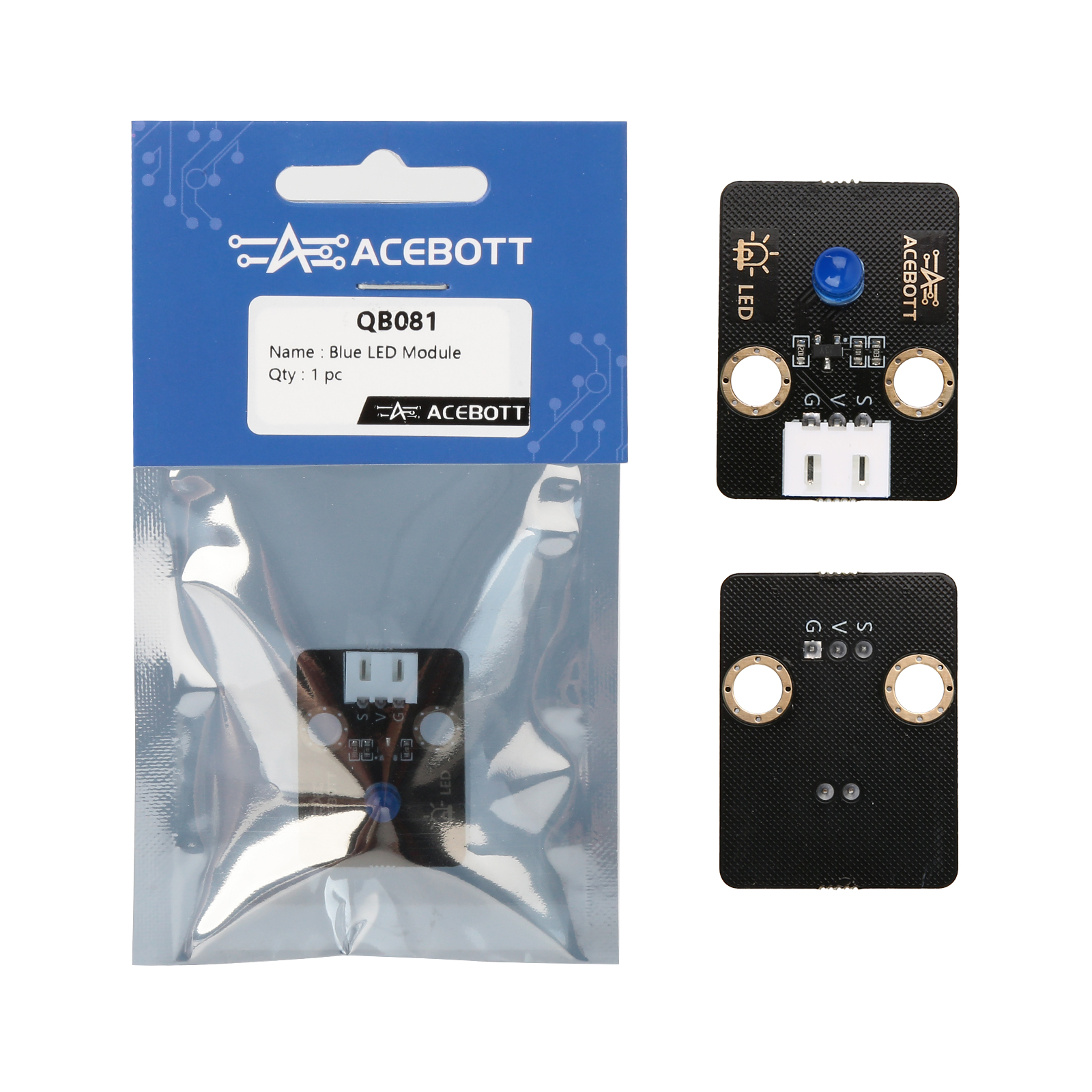
Compact visual indicator module for optical calibration, status signaling, and vision-target tracking. Compatible with Arduino and ESP32 architectures.
Future Procurement Trends in Embedded Robotics Vision Systems
The procurement trajectory for embedded robotic vision is undergoing a systemic paradigm shift. Historically, hardware buyers procured generalized webcams or USB plug-in modules. However, the rise of localized edge neural processing units (NPU) and low-power vision transformers requires camera modules tailored for precise kinematic matching. Procurement directors across North America and Europe are demanding components with strict Bill of Materials (BOM) stability, extended operational lifecycles (5+ years), and embedded optical dewarping.
Edge NPU Optimization
Transitioning from raw frame delivery to MIPI CSI-2 and USB3.0 Vision standards that stream directly into on-board accelerators without loading the host CPU.
Integrated Barrel Dewarping
On-sensor and ISP-level geometric correction that delivers a 140°-160° ultra-wide field of view with minimal optical distortion at zero computational cost to edge controllers.
Supply Chain Integrity
Enterprise procurement requires full traceability, anti-obsolescence guarantees, and compliant certifications including CE, RoHS, FCC, and REACH compliance.
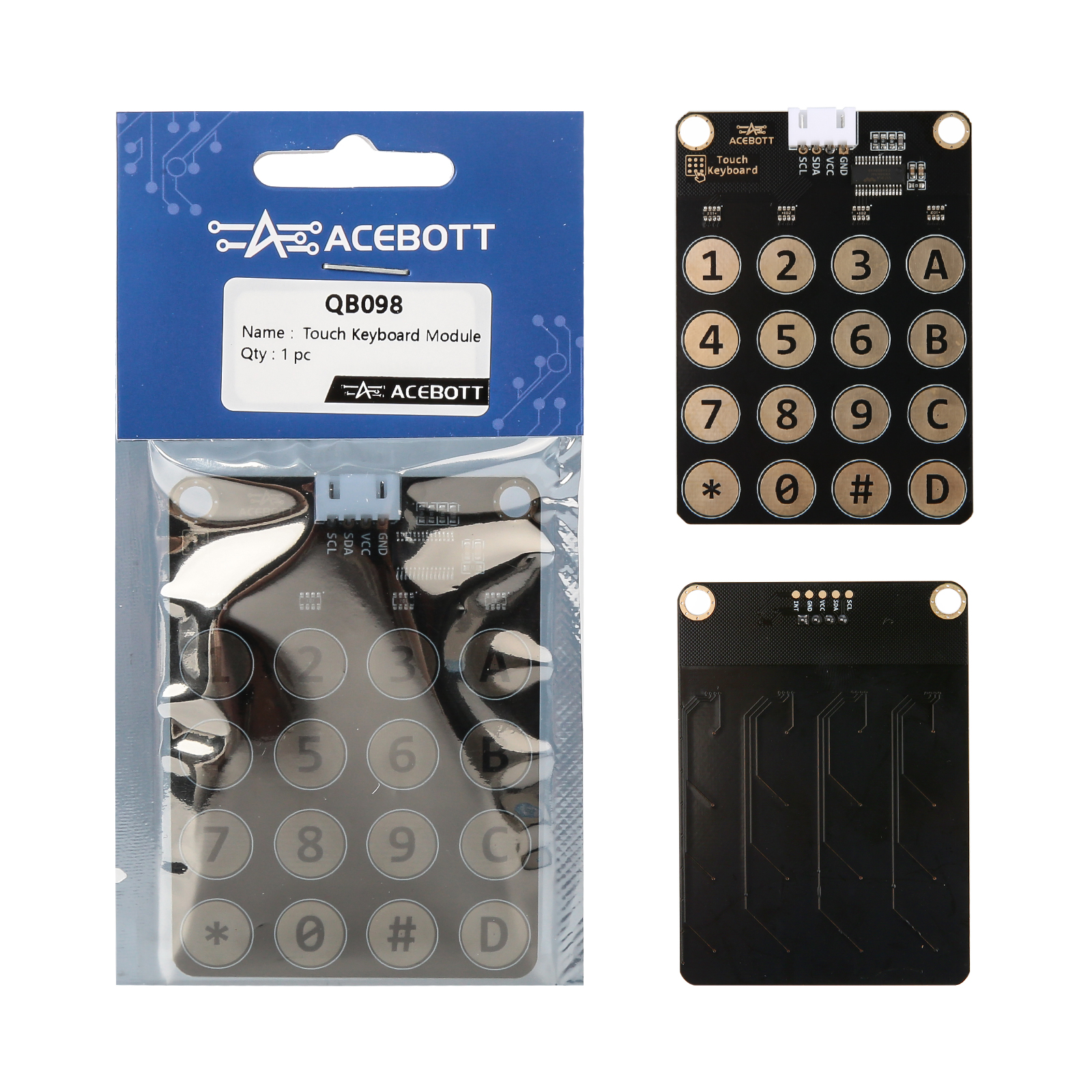
For educational and commercial robotics, the trend leans toward multi-modal convergence. As seen in the Reachy Mini ecosystem, vision feeds do not operate in isolation: they synchronize with capacitive touch modules, ultrasonic safety ranging, and directional microphones. Exporters who provide unified hardware kits with plug-and-play driver stacks gain substantial competitive advantages.
Technical benchmarks for Reachy Mini-compatible wide-angle camera assemblies engineered by Shenzhen Reachybott.
Functional Parameter
Standard Reference Tier
Advanced Academic Tier
Industrial / Custom Tier
Sensor Resolution
1080P Full HD (1920 × 1080)
5.0 MP Low-Noise Back-Illuminated
4K Ultra HD / Global Shutter
Field of View (Diagonal FOV)
120° Wide Angle Lens
140° Low-Distortion Glass Array
160° Ultra-Wide Custom Fixed-Focus
Optical Distortion
< 8.0% Optical Barrel
< 2.5% Corrected Glass Glass-Plastic
< 0.8% Industrial A-Grade Lens
Host Bus Interface
DVP / USB 2.0 High Speed
2-Lane MIPI CSI-2 / USB 3.0
MIPI CSI-2 / I2C Configuration
Framerate Latency
30 fps @ 1080P (≤ 45ms)
60 fps @ 1080P (≤ 22ms)
120 fps @ 720P (≤ 10ms)
Controller Compatibility
Arduino / ESP32 Core
ESP32-S3 / Raspberry Pi 4 & 5
Linux Embedded / ROS2 Nodes
Development Trajectory
Technological Evolution of Humanoid Robotic Vision
How embedded camera architecture progressed to empower responsive desktop humanoid robotics.
Gen 1: Analog Streaming
Early academic robotics relied on low-bandwidth NTSC/PAL video links with high latency, requiring external capture cards and severe computational compromises.
Gen 2: USB UVC Modules
Introduction of plug-and-play USB Video Class drivers. While simple, high thermal output and standard 65° fields of view limited mobile robotic field awareness.
Gen 3: MIPI Embedded
Direct sensor-to-processor MIPI lane communication. Enabled real-time 60fps tracking on single-board computers, supporting facial gesture tracking in Reachy-style bots.
Gen 4: AI Smart Optics
Current state-of-the-art: Edge ISP featuring onboard zero-latency wide-angle dewarping, integrated person detection, and dual-microphone noise filtering.
Shenzhen Reachybott Manufacturing
Enterprise Advantages & Export Infrastructure
Direct manufacturing execution, verified engineering competence, and comprehensive B2B supply-chain control.
Integrated Engineering & SMT Assembly
Optical Calibration & Software R&D
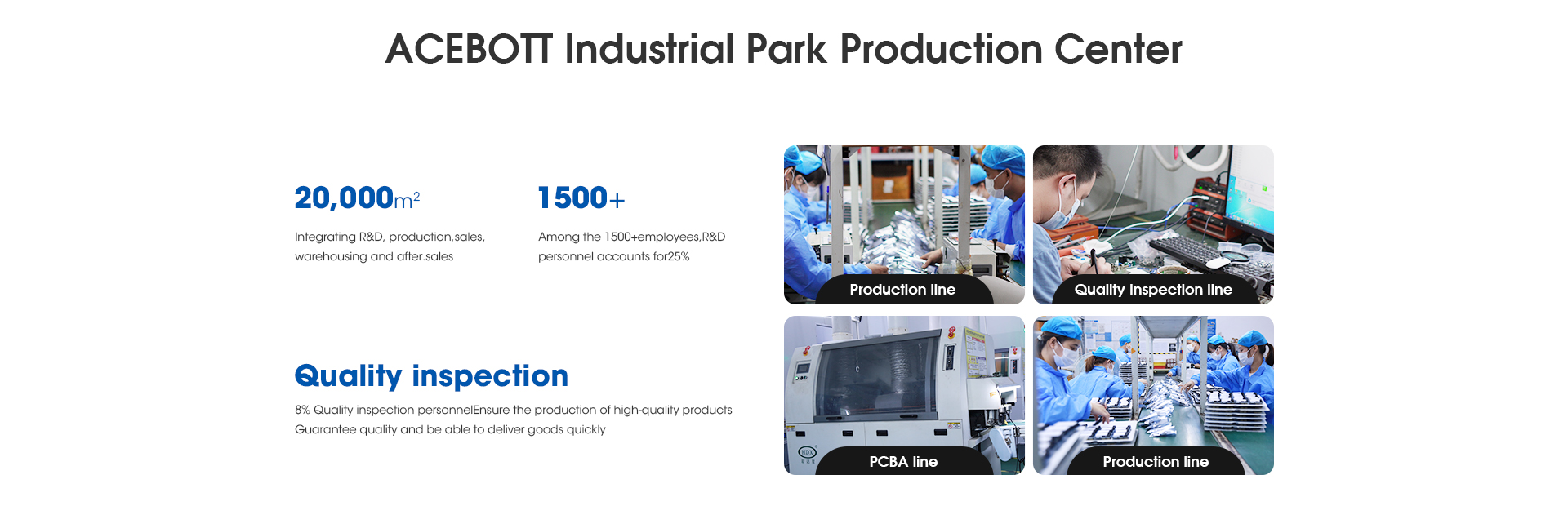
Rigorous 100% Optical AOI Quality Control
Why Global OEMs Select Shenzhen Reachybott Co., Ltd.
Founded in 2013 in Shenzhen, China's core electronics capital, Shenzhen Reachybott Co., Ltd. operates a combined engineering office and manufacturing plant spanning over 3,000 m². With an experienced cross-functional workforce of 101–200 specialists—spanning embedded firmware developers, precision optical engineers, and international logistics managers—our organization bridges the gap between open-source academic prototypes and mass-manufactured, industrial-grade consumer products.
Unlike pure trading brokers, we maintain direct control over component Bill of Materials (BOM), optical sensor placement, lens housing CNC machining, and cleanroom optical bonding. Our facility has passed strict onsite checks on Alibaba.com, backed by an average buyer feedback score of 4.8 out of 5 stars and annual output value exceeding US$10 Million. Whether you require custom FPC cable lengths for the Reachy Mini Bot neck joints, personalized silkscreen branding, specialized packaging bundles, or multilingual teaching documentation, our OEM/ODM infrastructure guarantees predictable delivery cycles across North America, Northern and Southern Europe, and Latin America.
Procurement Knowledge Base
Frequently Asked Questions for Sourcing & Integration
Clear, direct answers addressing engineering viability, Minimum Order Quantities, and global trade terms.
What makes this wide-angle camera compatible with Reachy Mini?
Our camera assemblies are precision-designed to match the mechanical mounting brackets, neck servo payloads, and thermal parameters of the Reachy Mini platform. They support standard UVC USB protocols as well as native MIPI interfaces for ROS2, Raspberry Pi, and ESP32 microcontroller pipelines.
What is the Minimum Order Quantity (MOQ) for custom OEM/ODM orders?
Standard evaluation samples can be dispatched starting from 1 unit. For custom OEM runs—including private logo silkscreening, customized lens focal lengths, bespoke FPC designs, and branded gift boxes—the MOQ typically starts at 500 to 1,000 units, depending on optical tooling requirements.
How do you handle optical barrel distortion on 160° lenses?
We provide two solutions: hardware optical tuning utilizing multi-element all-glass (G+G) aspherical lenses designed to eliminate distortion at the optical front-end, or programmed firmware calibration matrices (OpenCV compatible) integrated directly into the ISP registers.
Which international commercial trade delivery terms are supported?
We support full Incoterms including FOB Shenzhen/Hong Kong, EXW, CFR, CIF, FCA, CPT, CIP, DDP, and DDU. We also manage express door-to-door air freight (DHL, FedEx, UPS) for time-sensitive prototype evaluations.
Can the camera module synchronize with other sensory peripherals?
Yes. Our modules can be integrated with trigger-in/strobe-out hardware lines. This allows synchronizing frame capture with laser ranging diodes, ultrasonic pulses, or servo angle steps for structured 3D mapping and computer vision research.
What documentation and software drivers accompany delivery?
Every OEM shipment includes complete datasheets, pinout schematics, mechanical 3D CAD step files, optical lens distortion profiles, and verified code examples for Arduino IDE, ESP-IDF, Python (OpenCV), and ROS/ROS2 environments.
Accelerate Your Robotic Vision Sourcing Pipeline
Connect directly with our senior optical and embedded hardware engineers in Shenzhen. Access complete camera module specification sheets, custom FPC drawings, and OEM volume pricing structures.