The global proliferation of open-source and modular robotic architectures has propelled systems like the Reachy Mini into frontline STEM education, academic AI research labs, and commercial prototyping centers. However, shifting from an experimental tabletop project into an industrial-grade, multi-axis platform demands strict adherence to rigorous engineering guidelines. A fully functional reachy mini assembly instructions manual does not simply list step-by-step fasteners; it systematically resolves fundamental mechatronic bottlenecks: actuator backlash, thermal dissipation under high duty cycles, dynamic inverse kinematics (IK) jitter, and power rail instability.
Structural Orthogonality
3D printed and injection-molded linkages must retain structural rigidity under load. Off-axis deflection greater than 0.3mm across the upper arm directly compounds Cartesian positioning errors at the end effector.
Bus-Level Power Routing
Serial bus servos dynamically draw sudden spikes exceeding 2.5A per joint during rapid directional reversals. Dual-stage switching regulators and localized capacitor arrays protect master ESP32 microcontrollers from brownouts.
Kinematic Calibration
Zero-point initialization errors produce cumulative mathematical drift. Reliable OEM assembly processes mandate optoelectronic or magnetic absolute encoder alignment before executing control loops.
Top 10 Global Sourcing Criteria for Reachy Mini Assembly Kits
When engineering and institutional buyers evaluate the top 10 reachy mini assembly instructions factory & supplier matrix, selection extends far beyond simple kit pricing. Industrial buyers must audit the supplier's internal failure analysis infrastructure, Bill of Materials (BOM) traceability, servo gear metallurgy, and firmware library documentation.
Actuator Gear Composition: High-tensile steel/metal-powder metallurgy vs. standard POM plastic under continuous cycle loads.
Alloy Metal
Nylon / POM
25%
Microcontroller Processing Architecture: ESP32 Dual-Core (Wi-Fi/BT) + Hardware PWM expansion vs. legacy 8-bit controllers.
Dual-Core 240MHz
16MHz 8-Bit
20%
Kinematic Assembly Documentation: Full 3D exploded interactive schematics, torque specs, and diagnostic scripts.
Bilingual CAD/PDF
Basic Static Text
20%
BOM Surface Mount Yield: SMT component placement with automated optical inspection (AOI) across control logic PCBs.
≥ 99.8% Acceptance
Manual Visual Only
15%
Cross-Platform Library Support: Native Arduino IDE, ROS 2 integration nodes, Scratch 3.0 visual block environments.
Full Stack APIs
Single Platform
20%
Future Sourcing & Procurement Trends for STEM Robotics (2025–2030)
Procurement directors in Europe, North America, and emerging educational zones are shifting focus from standalone boxed toys toward configurable, open-source educational ecosystems. The key procurement trajectories influencing the reachy mini assembly supply chain include:
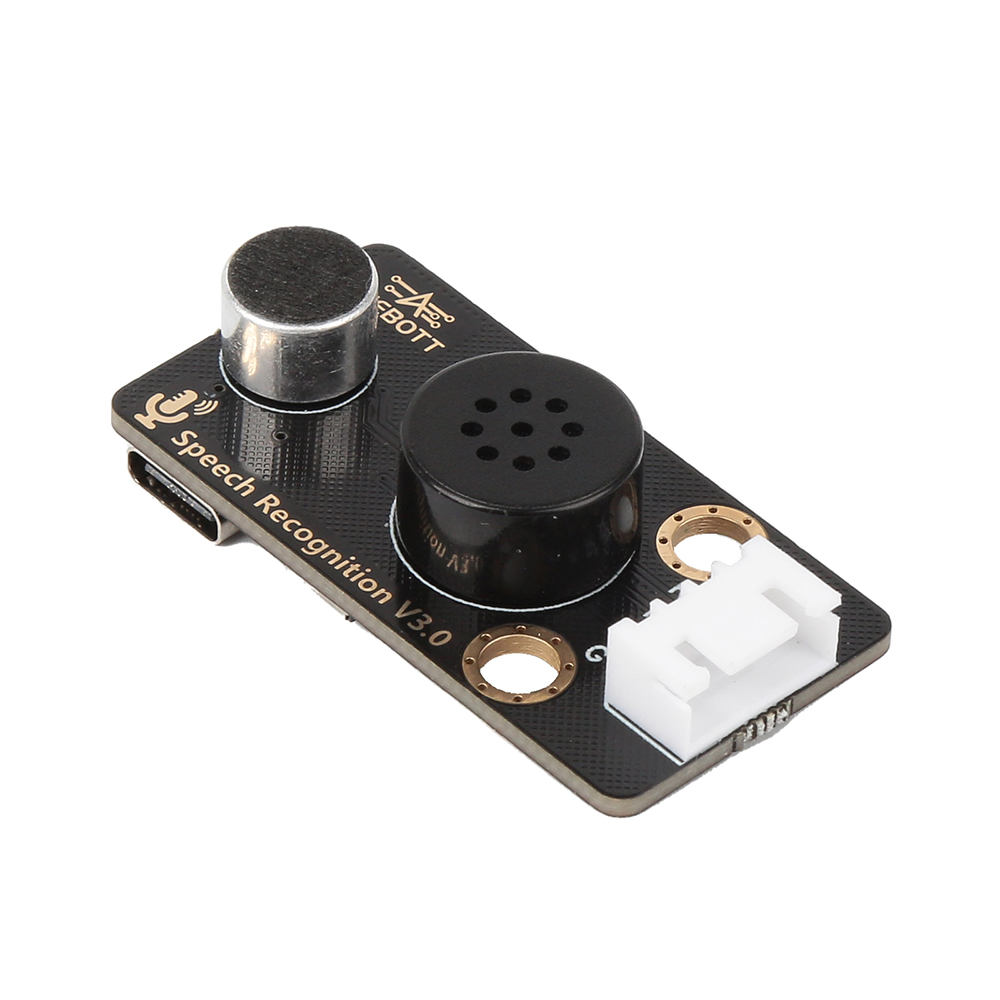
- Transition to Edge AI Coprocessors: Embedded voice processing chips (such as the offline recognition hardware featured in our voice modules) and compact neural processing units (NPUs) are replacing purely cloud-dependent audio and computer vision tasks, drastically lowering latency.
- Standardization of Bus Protocols: Proprietary multi-wire harness configurations are being deprecated in favor of unified daisy-chained serial servo architectures and I2C/CAN sensor buses, simplifying mechanical maintenance and assembly workflows.
- Classroom-Ready Curriculum Integration: Hardware kits lacking fully structured lesson roadmaps, scaffolding exercises, and verified troubleshooting frameworks are rapidly dropping out of institutional bidding frameworks.
- Sustainable and Traceable BOMs: High-impact ABS polymers, lead-free RoHS-certified electronics assembly lines, and easily swappable modular parts are becoming non-negotiable procurement prerequisites for public sector contracts.
Evolutionary Trajectory of the Desktop Humanoid Platform
The reachy mini robotic arm lineage is progressing from simple 4-DOF pick-and-place servo demonstrators into compliant, 6-DOF to 7-DOF bio-mimetic manipulative platforms. As digital twins and physics simulation engines (Gazebo, Webots, NVIDIA Isaac Sim) enter mainstream curricula, factory suppliers must deliver hardware that reflects simulation parameters accurately. This parity requires factories to enforce strict mass-distribution tolerances, verified servo center-of-gravity indexing, and pre-calibrated link-length variances within fractions of a millimeter.