Q
What is the primary function of this trace sensor system?
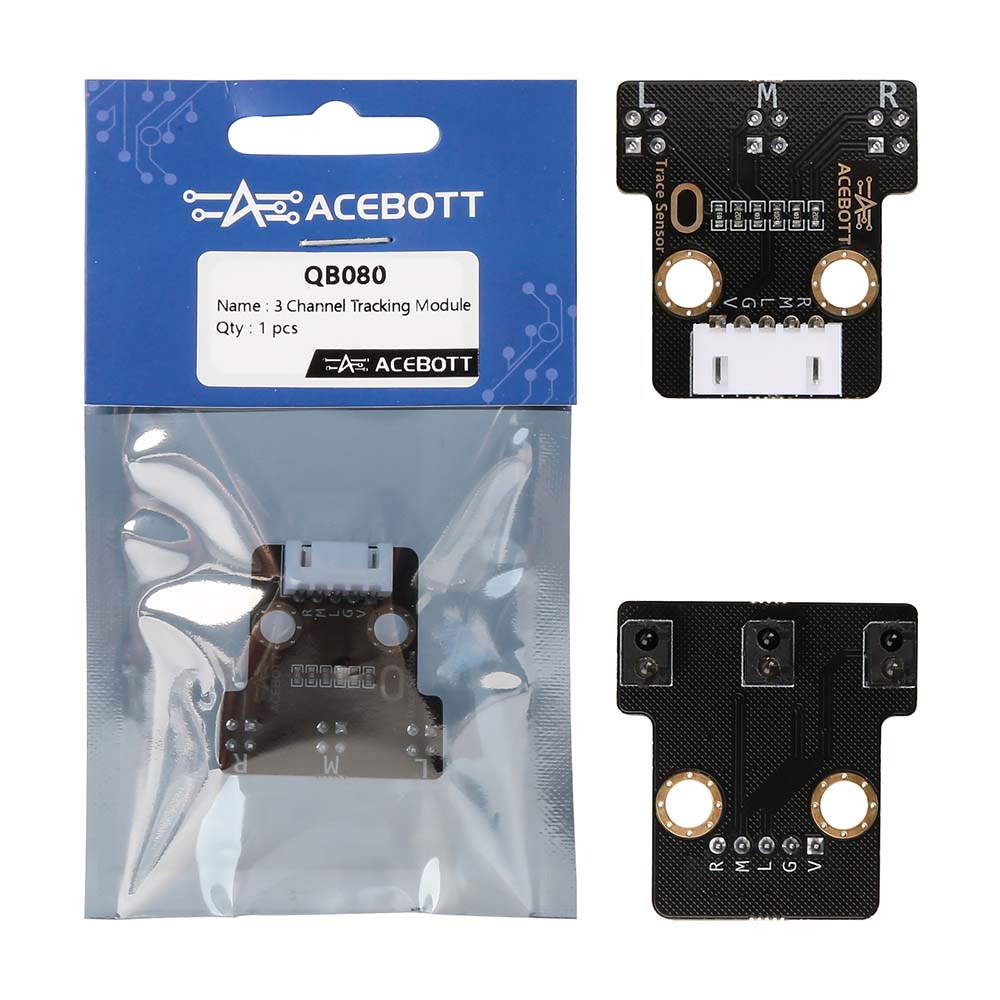
It is designed specifically for intelligent vehicles and mobile robots to accurately follow routes by sensing line paths (such as black lines on a light surface) and providing navigation signals.
Q
How does the sensor detect lines of different colors?
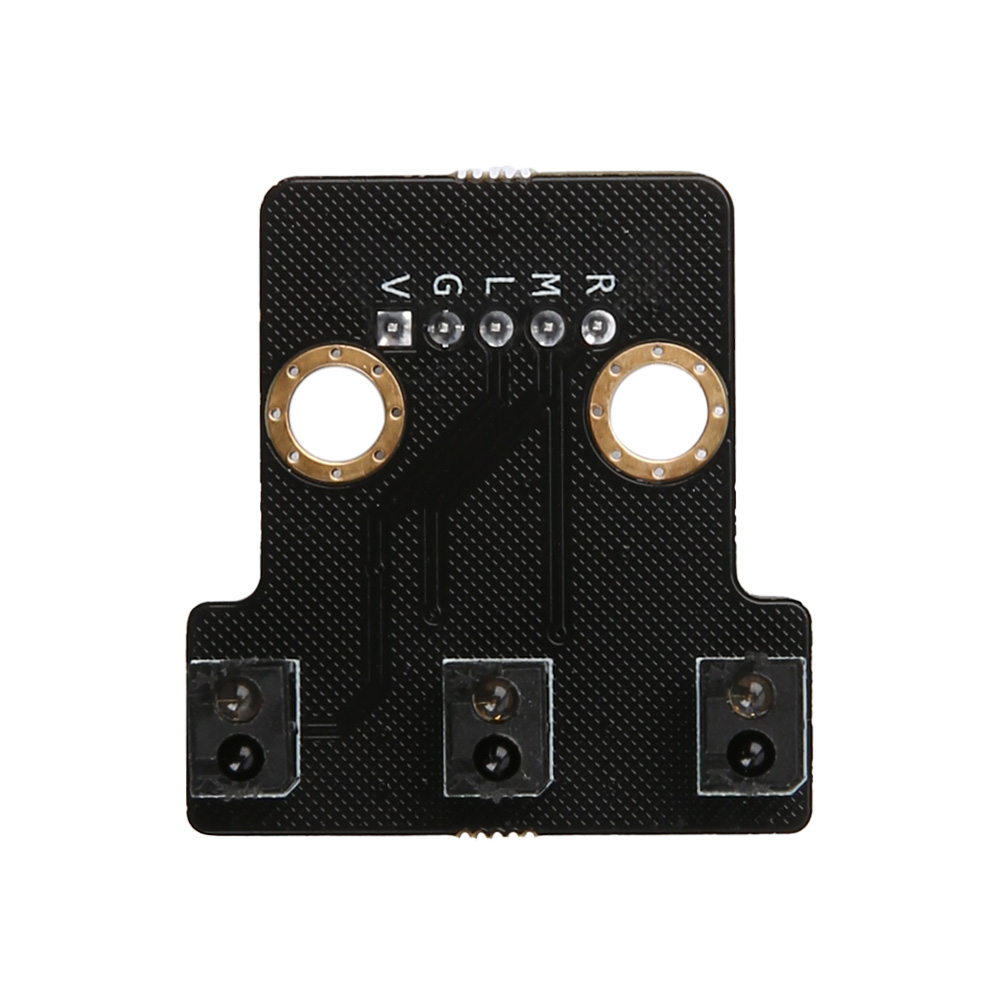
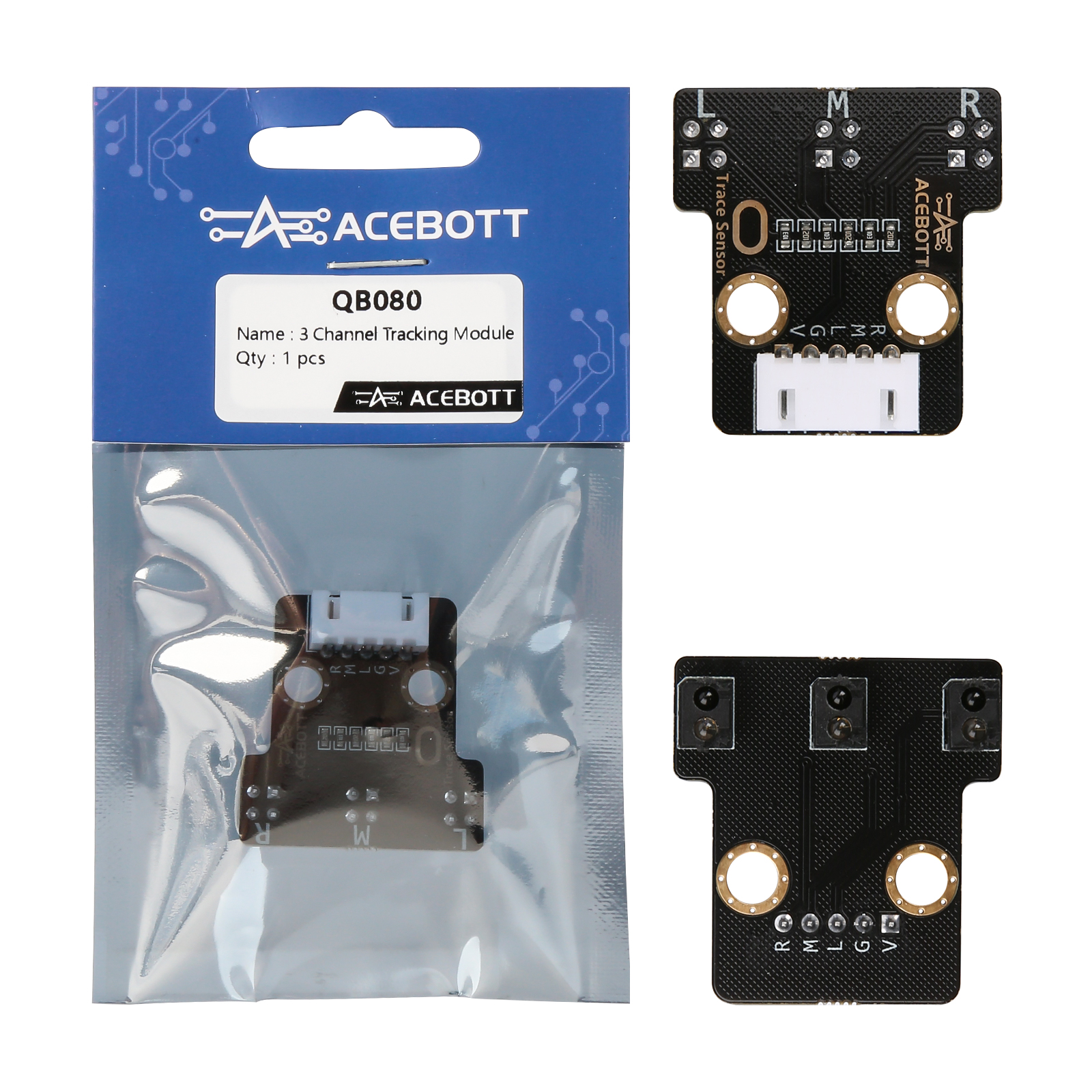
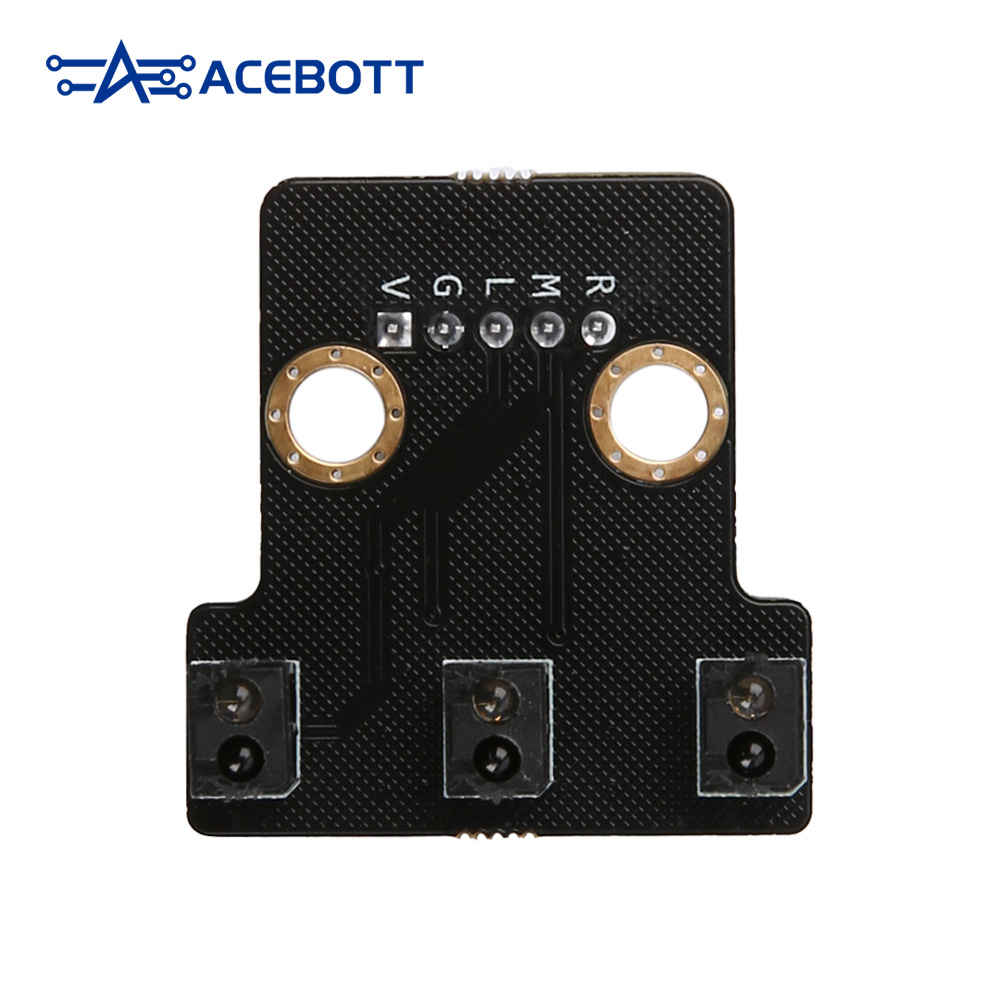
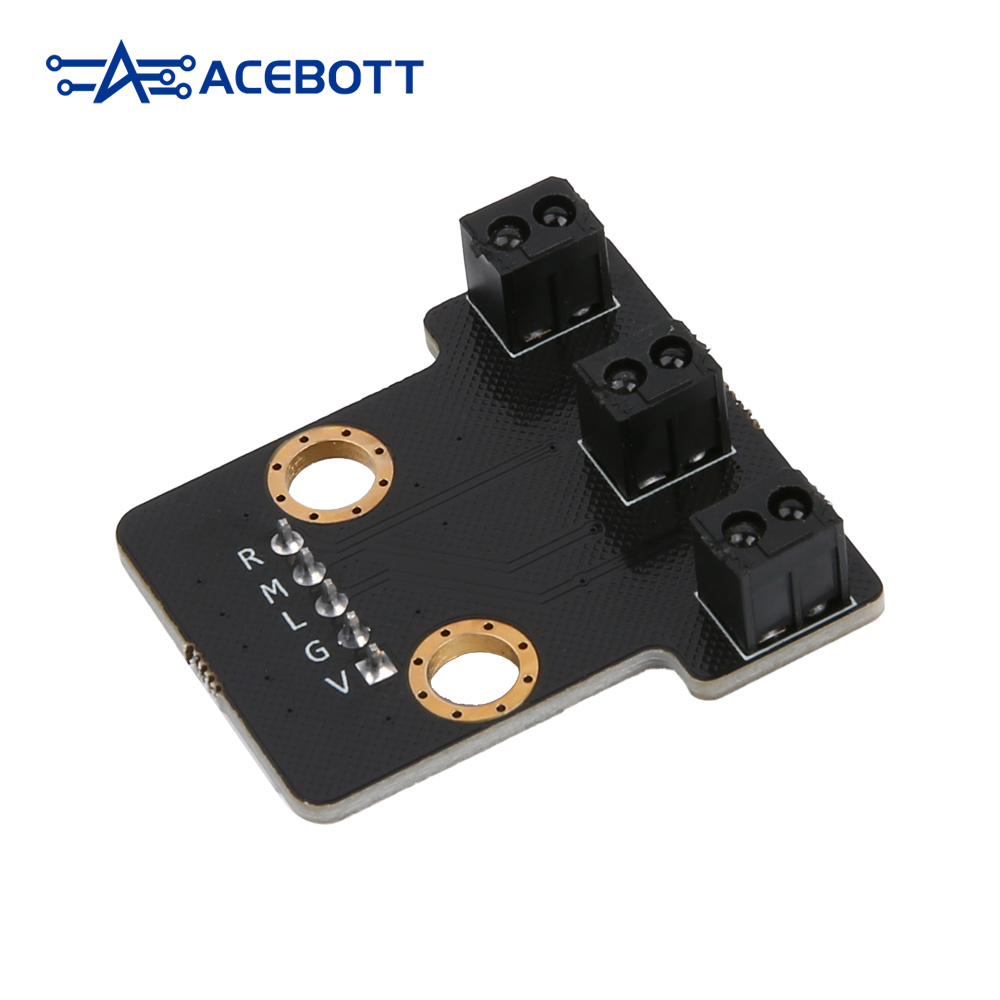
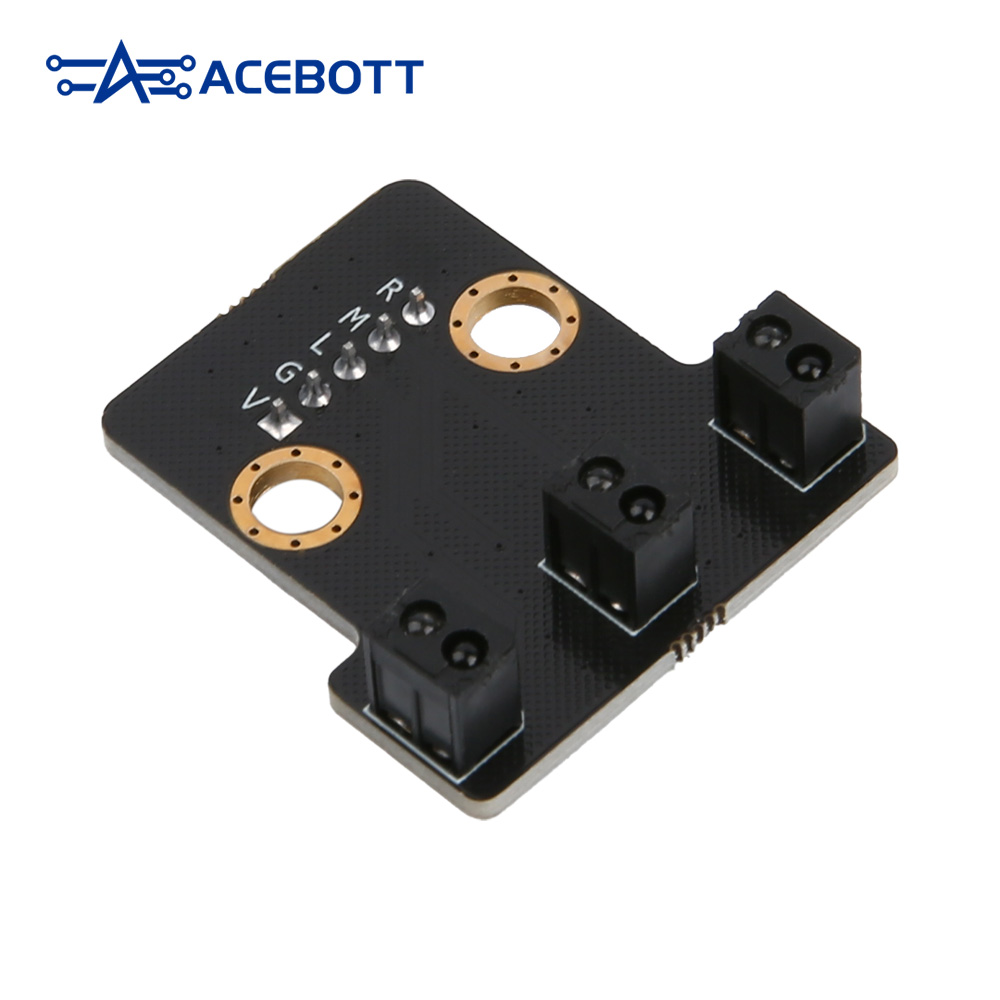
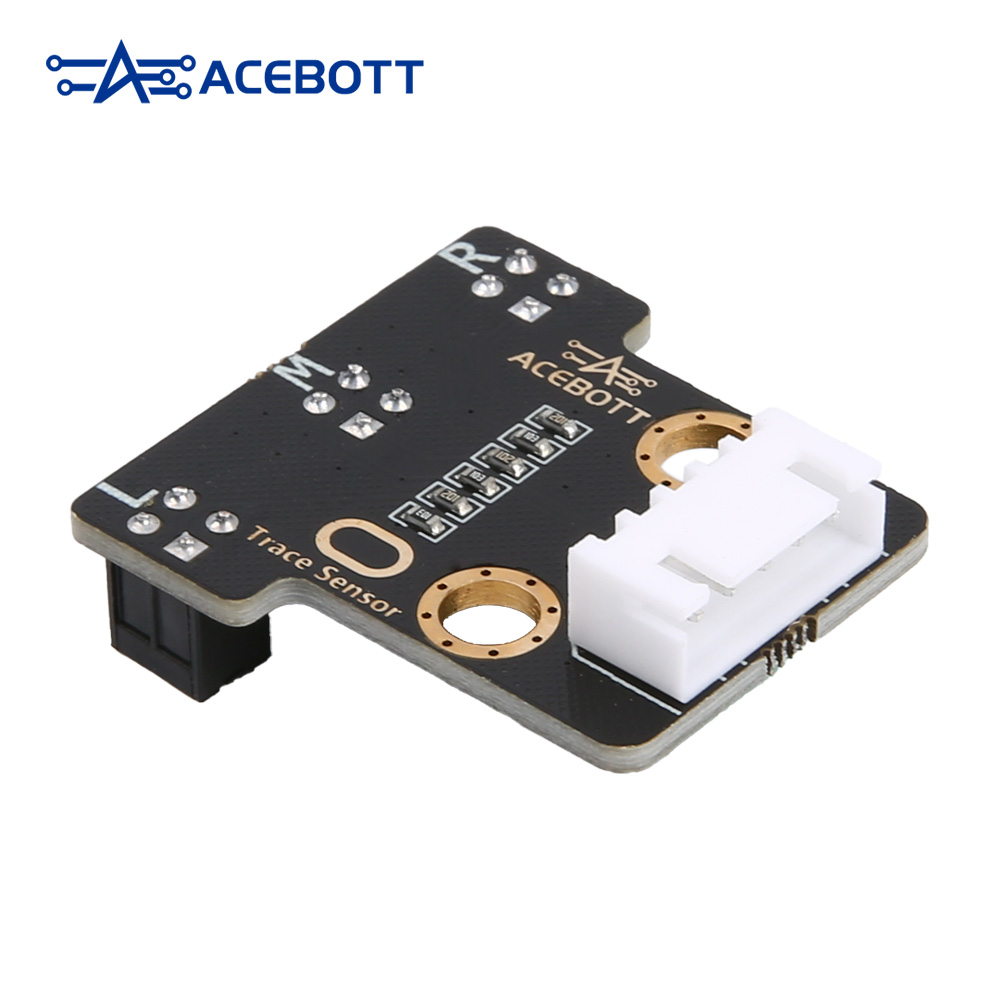
The system uses 3 pairs of infrared transmitters and receivers. Surfaces of different colors reflect infrared radiation at varying intensities, which the receiver converts into analog voltage values to differentiate line positions.
Q
What operating voltage does this trace module support?
The module operates efficiently within a wide voltage range of 3.3V to 5V DC, making it directly compatible with standard 3.3V and 5V microcontrollers like Arduino and Raspberry Pi.
Q
What type of signal output is provided by the module?
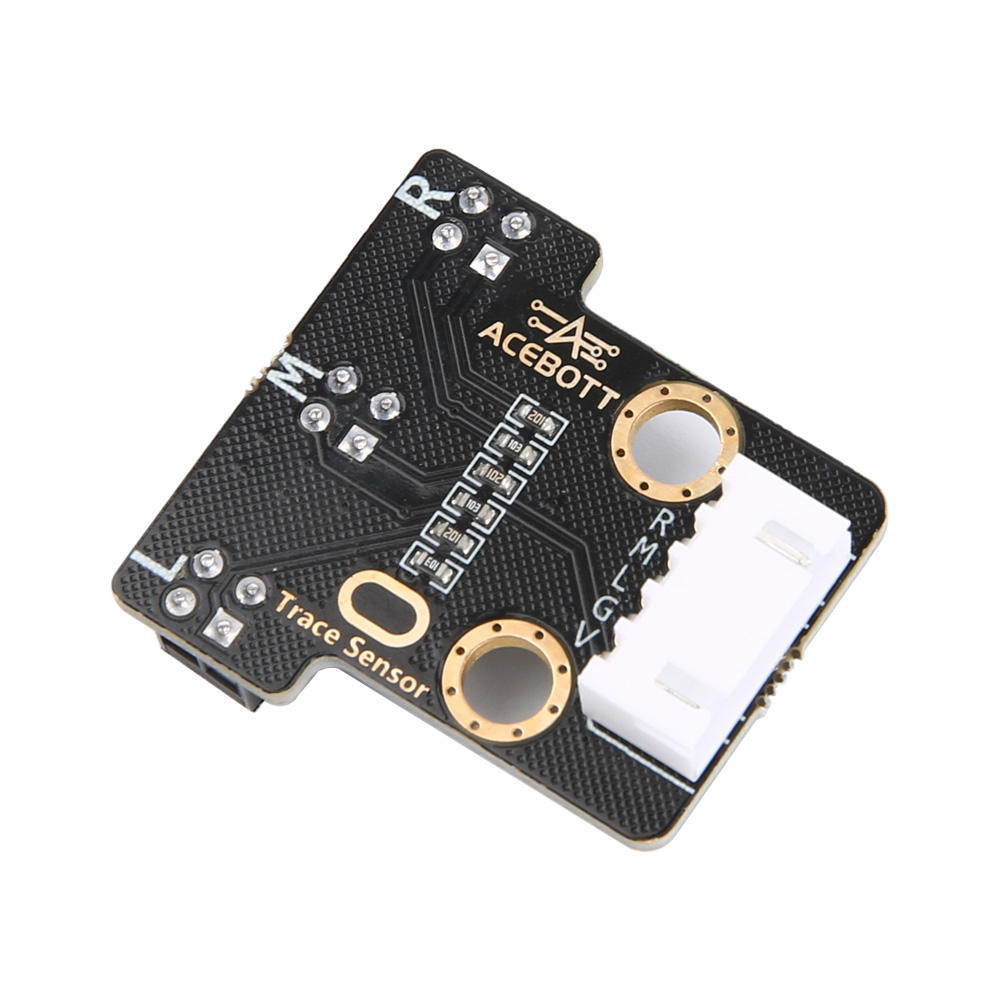
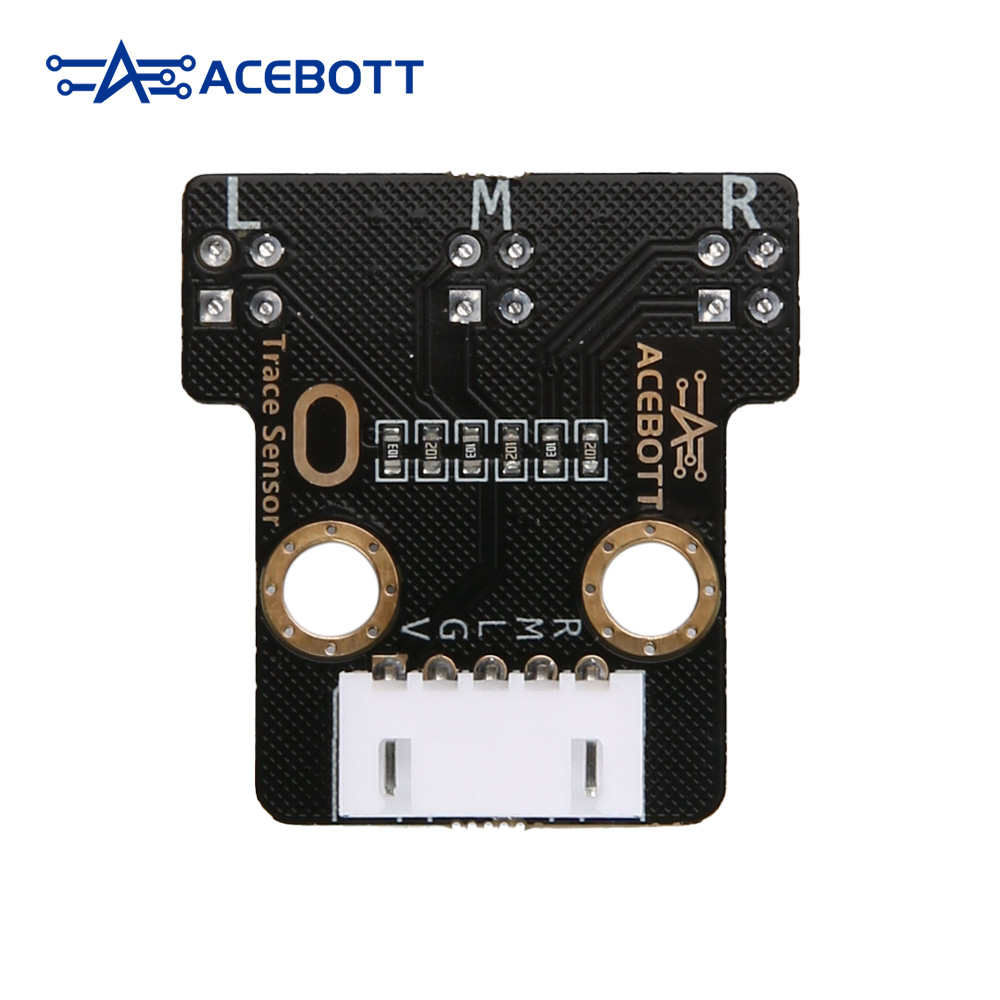
The trace sensor delivers analog signals across its 3 channels (L, M, and R), offering proportional feedback suitable for precise algorithmic steering adjustments.
Q
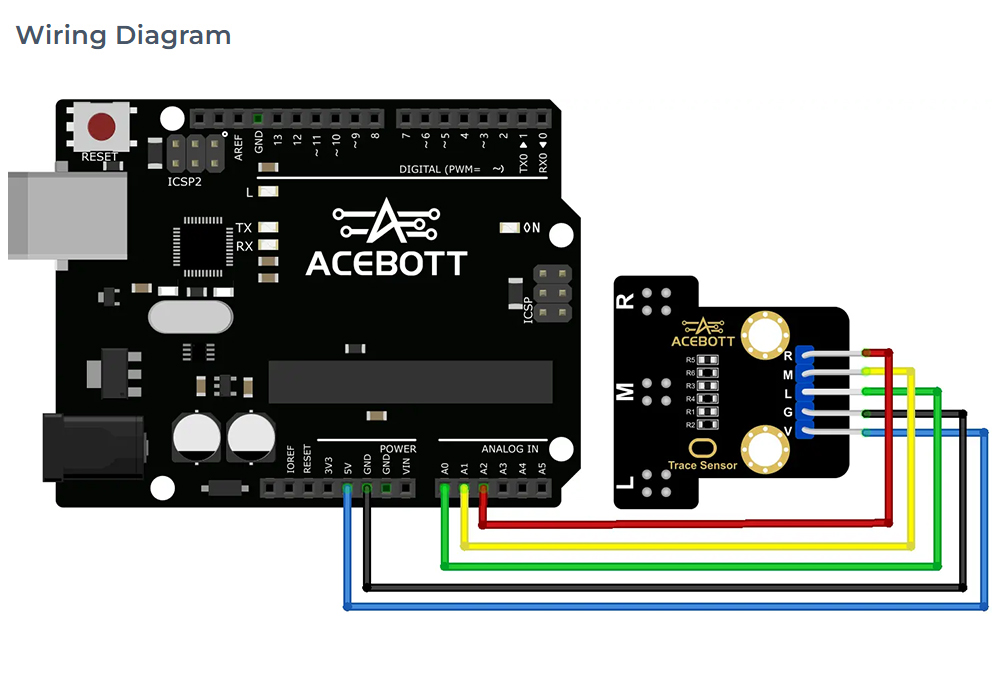
How do you wire the sensor to an Arduino UNO board?
Connect VCC to 5V, GND to GND, and connect pins L, M, and R to Analog Pins A0, A1, and A2 on the Arduino UNO respectively.
Q
What are the main application scenarios for this module?
Common applications include robotics competitions, smart vehicle engineering projects, automated guided vehicles (AGV), and industrial automation line tracking.