Precision Robotic Sensory & Signal Modules
Engineered for high-frequency signal conditioning, micro-angular acceleration detection, and seamless microcontroller interfacing across Arduino, ESP32, and proprietary Reachy robotics platforms.

ACEBOTT OEM Red Light Dot Digital Signal/PWM Signal 650nm 5mW Electronic Component Laser Head Distance Sensor Module for Arduino
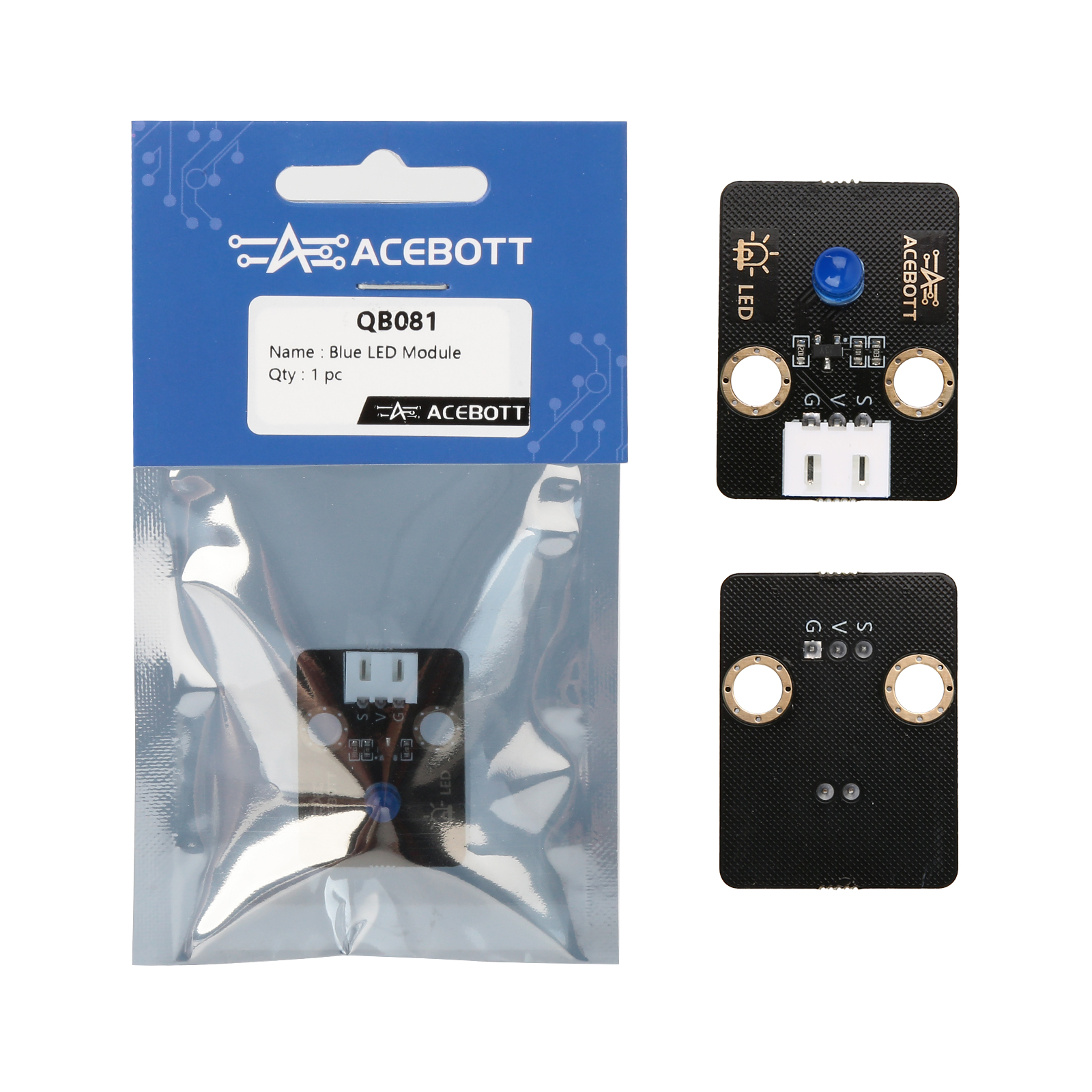
ACEBOTT OEM Wholesale Electronic Building Blocks Kit 5mm Blue LED Light Module Programming Stem Component for Compatible Arduino
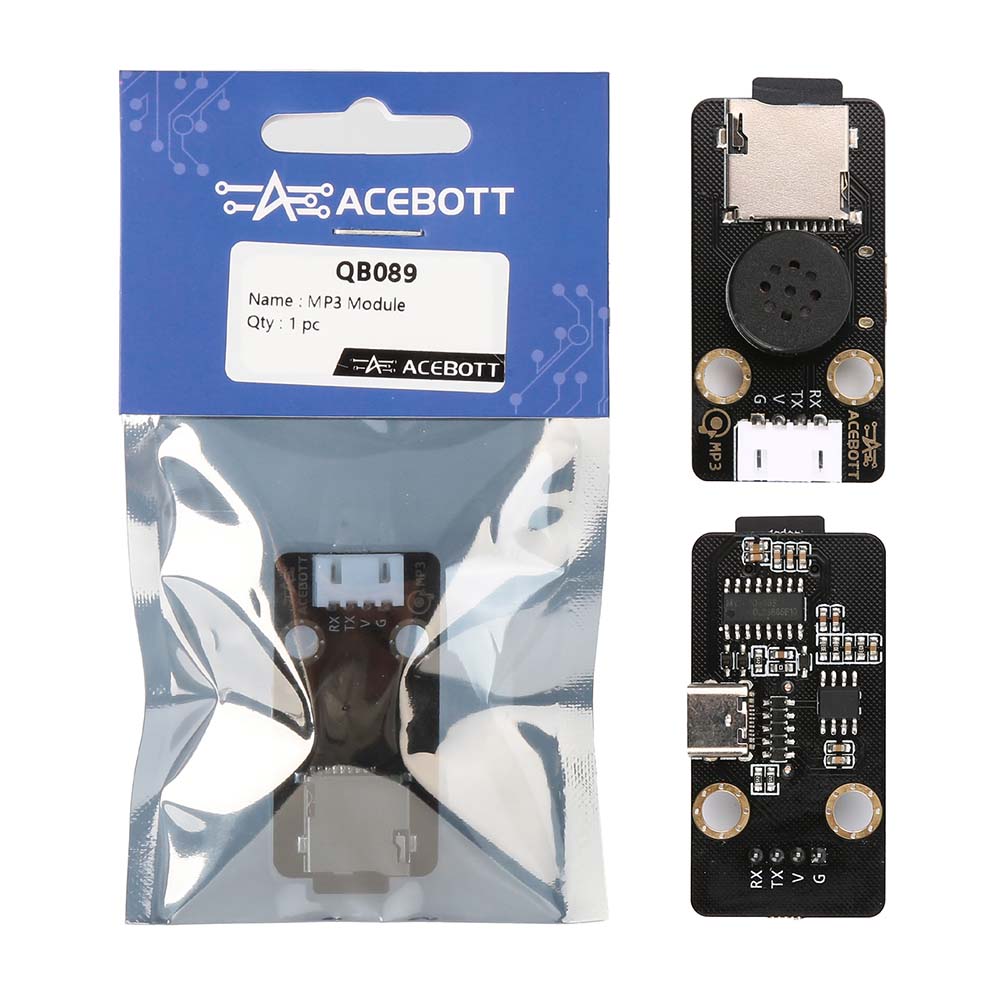
ACEBOTT OEM MP3 Voice Broadcast Module 5V 128MB SD Card LTE Sound Sensor Voice Announcements for DIY Compatible ESP32/Arduino

ACEBOTT New Original Smart Car Obstacle Avoidance IR Infrared Obstacle Avoidance Sensor Module for Compatible With ESP32/Arduino

ACEBOTT Factory Direct 7.4V Embedded Solar Power Management Modules Charging Module for Compatible ESP32/Arduino Solar Robot Car
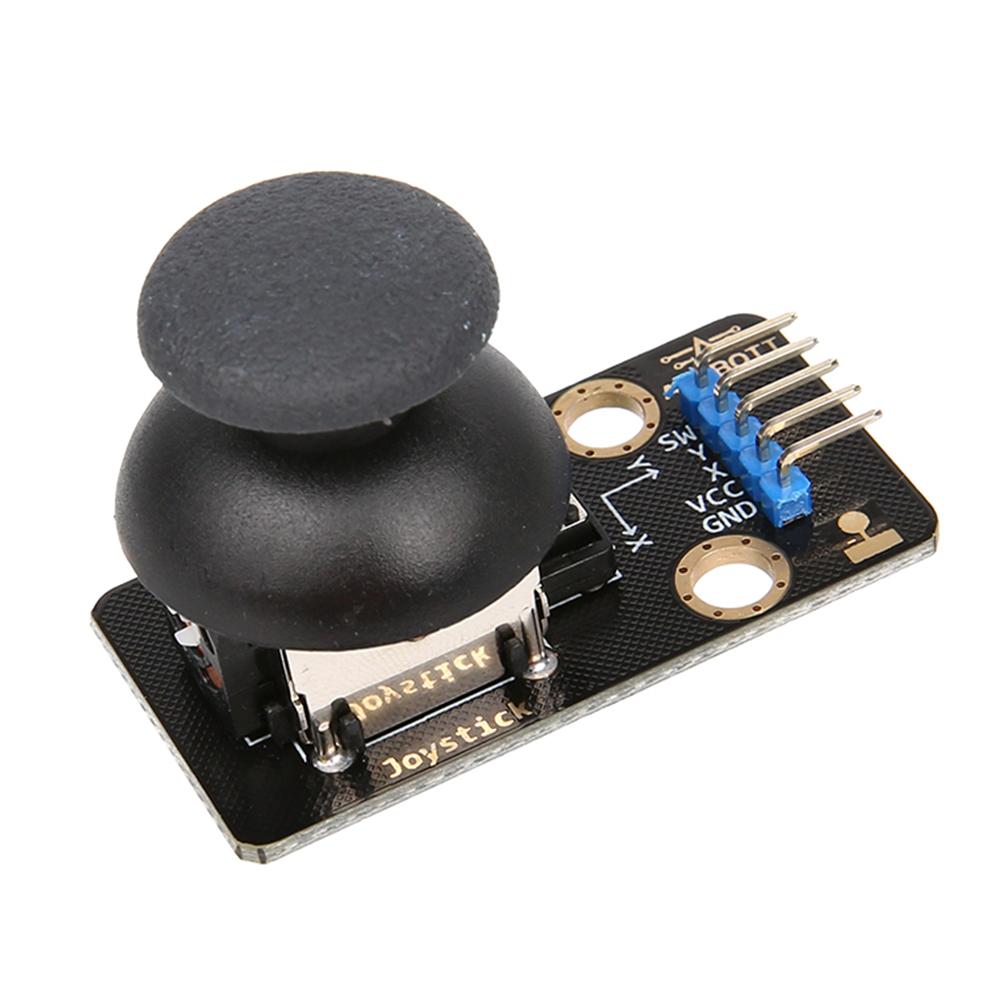
ACEBOTT Electron Building Block Module Pin Arrangement PS2 Game Joystick Key Module for Compatible With ESP32/Arduino Robot Kit
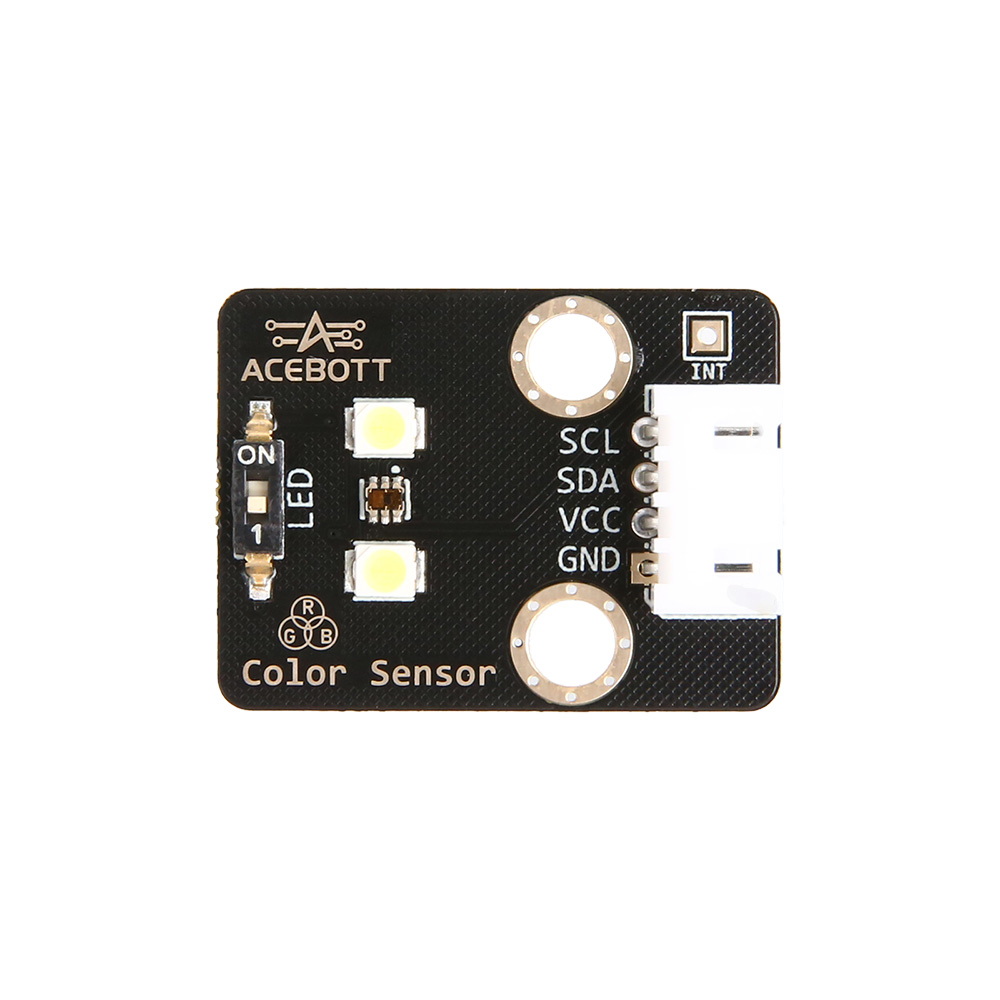
ACEBOTT Support Bright Light Induction Electronic Component Color Sensor Module RGB Recognition Optical Color Sensor for Arduino
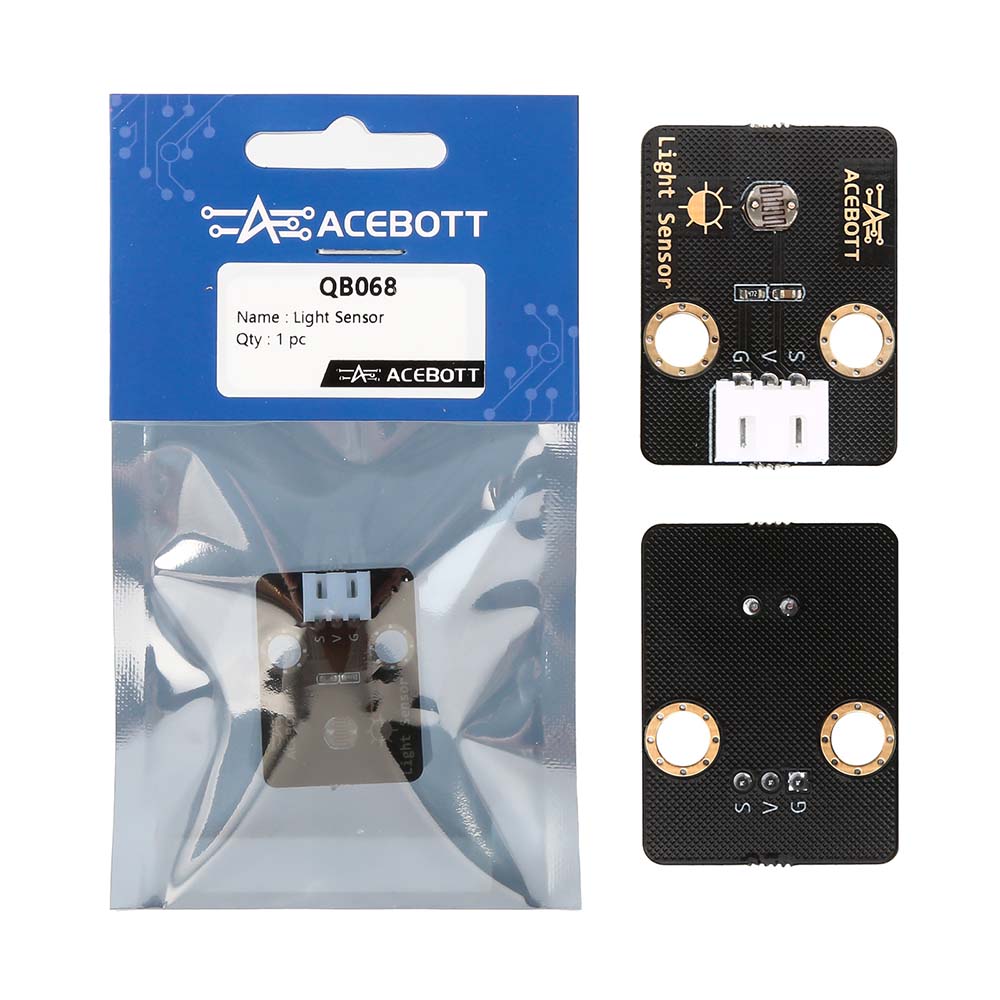
ACEBOTT China's New Small Smart Digital Electronic Module Photosensitive Photoresistor Sensor Light Sensor Optical Sensors
Architectural Integration of Reachy Mini Accelerometer Sensors
Demystifying MEMS Inertial Measurement Dynamics, Zero-Drift Calibration, and Kinematic Fusion Algorithms for Next-Generation Educational and Service Robotics.
In modern biomechatronic frameworks such as the Reachy mini humanoid and collaborative desktop platforms, spatial awareness and real-time equilibrium maintenance are determined entirely by the fidelity of onboard miniature accelerometer modules. A micro-electro-mechanical systems (MEMS) accelerometer operates on the fundamental physical principle of capacitive differential sensing: a microscopic seismic proof-mass suspended by silicon spring beams deflects under dynamic acceleration or gravitational vectors. The resulting micrometric displacement induces picofarad-level capacitance shifts, which internal application-specific integrated circuits (ASICs) amplify, digitize, and convert into 16-bit twos-complement registers.
When sourcing reachy mini accelerometer assemblies from high-tier Chinese manufacturers like Shenzhen Reachybott Co., Ltd., international system integrators must differentiate between conventional commercial consumer sensors and specialized kinematic motion units. High-degree-of-freedom (DoF) robotic mechanisms—such as the 4DoF robotic arms, bipedal balance legs, and multi-jointed expressive head units found in advanced STEM platforms—generate substantial high-frequency motor harmonics, PWM switching spikes, and chassis resonances. Without custom hardware low-pass filtering, robust power supply decoupling, and onboard temperature-drift coefficient compensation, raw accelerometer data suffers from velocity drift and erratic angular projections.
Shenzhen Reachybott engineers address this challenge through comprehensive hybrid hardware-software architecture. By deploying micro-sized form factor breakout designs paired with low-dropout (LDO) linear regulators, our accelerometer nodes achieve high Power Supply Rejection Ratios (PSRR > 65dB at 100kHz), isolating the MEMS sensing element from the voltage sag of high-torque MG996R or coreless servo motors. Coupled with dual-interface I2C/SPI buses and high-speed FIFO buffers, the sensor offloads computation from host processors such as the ESP32 dual-core Xtensa LX6 or Arduino microcontrollers, facilitating deterministic 400Hz to 1kHz Kalman and Madgwick attitude estimation loops.
| Evaluation Parameter | Standard Low-Cost Sensor | Reachybott Reachy Mini Grade | Industrial High-G Spec | Strategic Impact on Robotics |
|---|---|---|---|---|
| Measurement Axes | Tri-Axial (±2g / ±8g) | Tri-Axial / Integrated 6-DoF IMU | Tri-Axial High Stability | Enables complete roll, pitch, and yaw tracking when fused. |
| Non-Linearity (% of FS) | > 0.5% | < 0.15% | < 0.08% | Eliminates systematic cumulative positional error in dead reckoning. |
| Zero-g Offset vs Temp | ±1.5 mg/°C | ±0.25 mg/°C (Factory Trimmable) | ±0.10 mg/°C | Prevents tilting drift during continuous classroom operation. |
| Bus Communication | I2C Standard (100kHz) | I2C Fast Mode (400kHz) + SPI (10MHz) | Differential CAN / SPI | Minimizes bus latency for real-time balance loop response. |
| Shock Survivability | 2,000g for 0.5ms | 10,000g for 0.2ms | 20,000g for 0.1ms | Withstands drop shock from desktop educational testing environments. |
| BOM Packaging Style | Hand-soldered pin headers | Automated SMT + X-Ray Void Checked | Hermetic Ceramic Seal | Ensures mechanical coplanarity across thousands of batch units. |
Emerging Procurement Trends for Miniature Accelerometers
Global supply chain analysis for institutional buyers, educational consortiums, and robotics manufacturers expanding sourcing across 2025–2030.
Transition Toward Embedded Edge Machine Learning (Edge-ML)
Procurement teams are shifting away from basic raw-data accelerometers toward intelligent sensors featuring embedded Finite State Machines (FSM) and Machine Learning Cores (MLC). This architecture allows the reachy mini accelerometer module to perform gesture recognition, fall detection, and step counting autonomously at microamp currents, waking the host ESP32 MCU only when anomalous acceleration is registered.
- Cuts main system computational power load by up to 60%.
- Sub-millisecond interrupt response for automated emergency tilt recovery.
- Direct compatibility with TensorFlow Lite for Microcontrollers.
Supply Chain Regionalization & Domestic Silicon Alternatives
Global component shortages and trade frictions have driven B2B purchasers to demand resilient, dual-source Bill of Materials (BOM). Top Chinese manufacturers are pairing tier-one Western silicon (such as Bosch Sensortec and STMicroelectronics) with equivalent domestic high-precision MEMS dies fabricated by leading Chinese foundries, ensuring uninterrupted high-volume delivery.
- Pin-to-pin, register-compatible drops to mitigate sourcing lead times.
- Over 35% component procurement cost optimization for volume builders.
- Guaranteed supply buffers through Shenzhen warehouse centers.
Modular Standardization & Solderless Interconnects
Educational robotics curricula and industrial rapid prototyping demand modular sensor kits that do not require delicate manual soldering. Global distributors and school systems prioritize modules equipped with keyed anti-reverse locking connectors (such as PH2.0 4-Pin, Grove, or Qwiic/STEMMA QT architectures) that guarantee stable communication even in high-vibration robotic limbs.
- 90% reduction in classroom troubleshooting and short-circuit faults.
- Standardized mounting holes (M3 pitch) designed for 3D printed brackets.
- Fast hot-swappable replacement during competitive robotics hackathons.
Technological Roadmaps: Next-Gen Mini Accelerometers
How advances in nano-electromechanical systems (NEMS), optomechanical sensing, and quantum precision will redefine motion capture in robotics.
Monolithic 9-Axis Sensor Fusion Dies
Current architectures typically rely on discrete accelerometers, rate gyroscopes, and magnetometers mounted across a PCB. The immediate future roadmap integrates all three physical modalities onto a single monolithic silicon die with integrated 32-bit RISC-V coprocessing, outputting true direct Euler angles and Quaternions at negligible power consumption.
Zero-Drift Piezoelectric MEMS Transducers
Capacitive MEMS structures are inherently sensitive to ambient dielectric fluctuations and humidity ingress. R&D is rapidly commercializing thin-film Aluminum Scandium Nitride (AlScN) piezoelectric sensing elements that boast ultra-high electromechanical coupling factors, eliminating baseline zero-g drift across temperatures spanning from -40°C to +85°C.
Automated Self-Testing & In-Situ Health Diagnostics
Next-generation Reachy mini accelerometer nodes will incorporate electrostatic self-excitation circuitry that physically deflects the internal proof-mass at startup. The module runs an automated frequency-response sweep to diagnose mechanical crack formation, package delamination, or soldering fatigue before the robot enters operation.
Why Partner with Shenzhen Reachybott Co., Ltd.
Combining world-class SMT electronics manufacturing in Shenzhen with comprehensive curriculum design, turnkey OEM/ODM capabilities, and global trade reliability.
Shenzhen Hardware Epicenter
Headquartered in Tairan Technology Park with over 3,000–5,000 m² modern production space, delivering deep BOM agility and rapid turnaround times from prototype to mass volume.
Full In-House Engineering & SMT
Over 150 dedicated specialists encompassing firmware architecture, PCB multi-layer layout, injection tooling, and high-speed automated Yamaha SMT pick-and-place lines.
Strict 6-Point Quality Verification
Every sensor and robotics module undergoes automated optical inspection (AOI), X-ray solder integrity tests, dynamic calibration shaking tables, and 100% functional burn-in testing.
Turnkey OEM/ODM Customization
Tailored silkscreen branding, customized pinouts, custom voltage range adaptation, localized technical manuals, and complete custom educational packaging.
Proven Export & Regulatory Compliance
Full CE, FCC, RoHS, and REACH certification documentation available. Proven export capabilities across North America, Northern Europe, Southern Europe, and Latin America.
Open Hardware & Broad Compatibility
Seamless code libraries, Scratch 3.0 graphical drag-and-drop blocks, and Arduino/C++ drivers engineered for quick classroom integration and makerspace innovation.
Flexible Commercial Trade Terms
Transparent multi-currency settlement (USD, EUR, GBP, AUD, CAD, CNY) and full support for FOB, CIF, EXW, FCA, CPT, and door-to-door DDP international logistics.
Verified Supplier Trust & Rating
Alibaba onsite-checked manufacturing facility, exemplary credit records, and a sustained 4.8/5 international buyer rating across hundreds of global procurement contracts.
Frequently Asked Questions by Technical Buyers
Detailed technical, commercial, and operational answers addressing the most common concerns of global distributors and engineering teams.
What is the standard Minimum Order Quantity (MOQ) for accelerometer modules and robotics components?
For standard sensory catalog products and evaluation evaluation boards, our MOQ starts from as low as 1 unit to support prototyping, curriculum validation, and sample testing. For custom OEM branding, custom PCB silkscreening, or specialized connector wiring assemblies, the standard MOQ typically ranges from 500 to 1,000 pieces depending on BOM complexity.
How does Shenzhen Reachybott ensure zero-drift calibration on miniature accelerometers?
Every batch of motion sensors undergoes multi-axial tumbling and static gravitational orientation testing on multi-axis automated jigs. Our calibration software determines offset bias and scale-factor matrix coefficients, programming compensation values directly into non-volatile sensor memory or providing software calibration lookup tables for host Arduino/ESP32 controllers.
Can your engineering team supply complete curriculum and code libraries for educational deployments?
Yes. As a core supplier to STEM schools and university robotics laboratories worldwide, we supply complete educational assets: annotated C++ Arduino libraries, Python scripts for Raspberry Pi/Linux, graphical Scratch 3.0 blocks, schematic diagrams, and project-based lesson plans (e.g., self-balancing bipedal locomotion, robotic arm pick-and-place, crash avoidance).
What communication protocols are supported on your accelerometer breakout modules?
Our standard reachy mini accelerometer breakouts feature hardware-selectable I2C (with address jumper pads enabling multiple sensors on a single bus) and high-speed 4-wire SPI. Onboard level shifters allow broad operational compatibility with both 3.3V logic (ESP32, STM32, ARM) and 5.0V logic (classic Arduino Uno/Mega) without external converter circuits.
What are the standard international trade terms and payment methods?
We support all recognized Incoterms 2020 including FOB Shenzhen, CIF, EXW, FCA, and fully cleared DDP (Delivered Duty Paid). Payment channels include Telegraphic Transfer (T/T), Letter of Credit (L/C), PayPal, Western Union, Credit Card, and escrow facilities. We invoice in USD, EUR, GBP, CAD, AUD, and RMB.
How are sensory modules packaged for international air and ocean transit?
To eliminate moisture ingress and electrostatic damage (ESD) during transit, all sensor components are sealed in hermetic ESD foil shielding bags with desiccant packs and humidity indicator cards. Outer packaging utilizes heavy-duty reinforced corrugated cardboard cartons fitted with custom EVA foam shock protection, fully drop-tested before dispatch.
Accelerate Your Robotic Motion Development Today
Partner directly with China's foremost manufacturer of Reachy mini accelerometers, dynamic sensory building blocks, and turnkey STEM educational robotics hardware. Consult with our senior hardware engineering team for comprehensive datasheets, custom BOM configurations, and evaluation samples.