Featured Modules & Actuators for Reachy Mini Architecture
High-reliability building blocks, motor controllers, precision servos, and telemetry sensors engineered for compact humanoid, multi-DOF robotic arms, and autonomous desktop platforms.

ACEBOTT Mini Single Channel 200mA DC Motor Controller (3.3V-5V)

ACEBOTT Precision IR Obstacle Avoidance Sensor Module
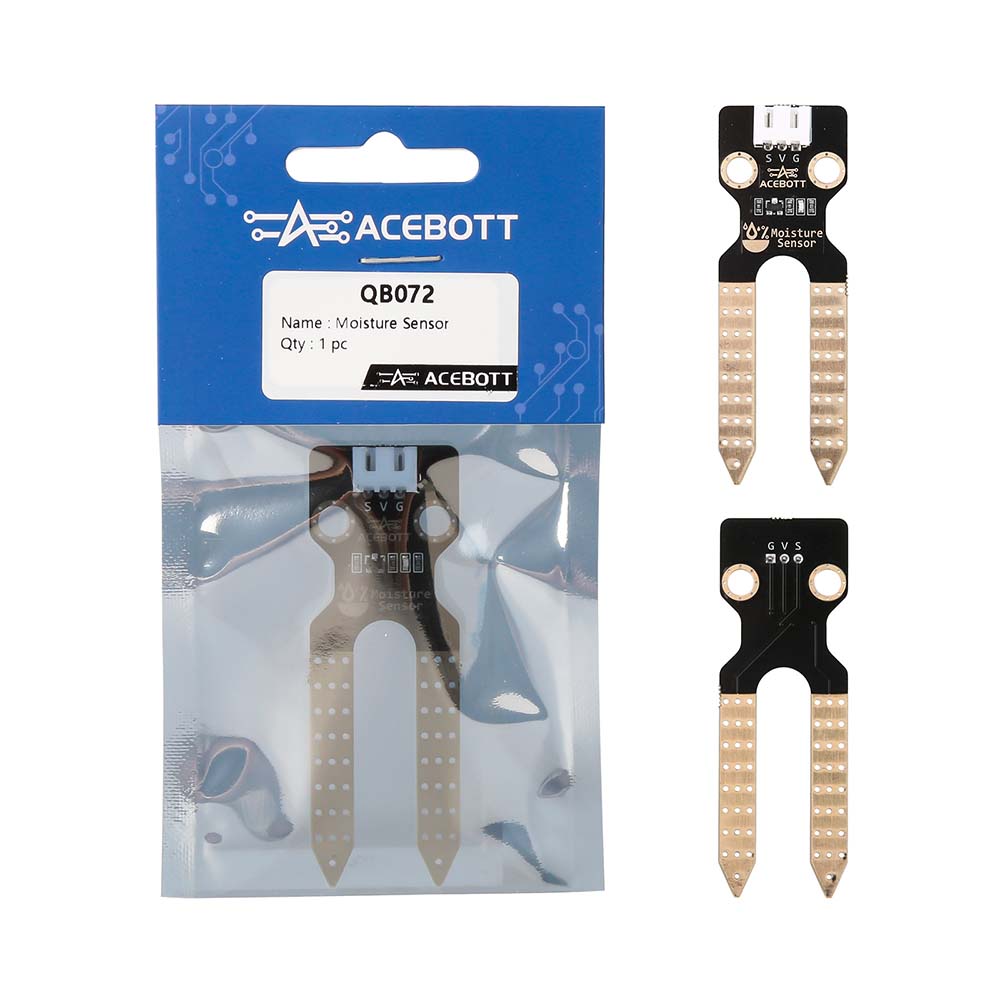
ACEBOTT 2.3cm*6.28cm Analog Soil Moisture Sensor Module
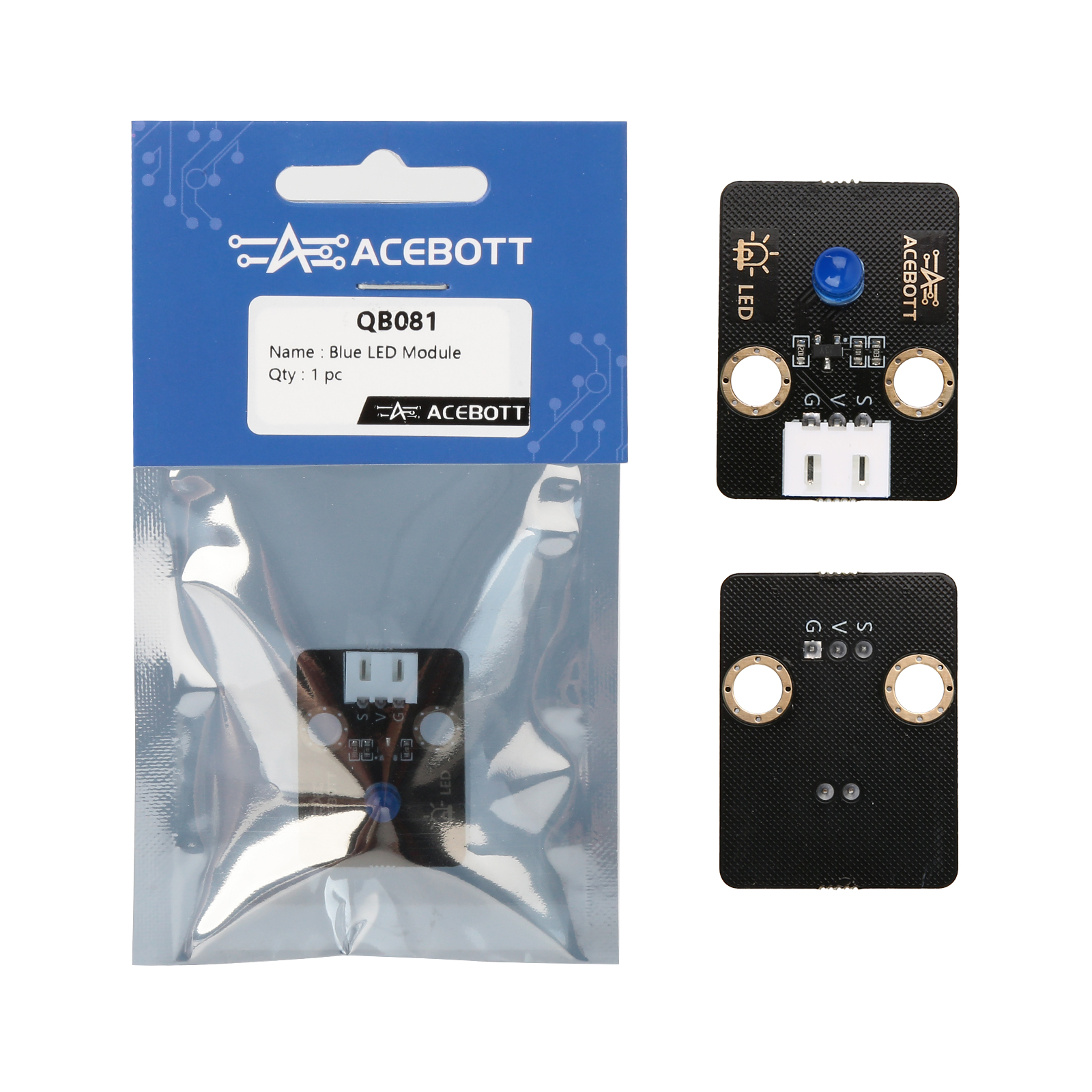
ACEBOTT 5mm High-Luminosity Blue LED Optical Module

ACEBOTT 3.3V-5V Tri-Channel Precision GPS Navigation Module
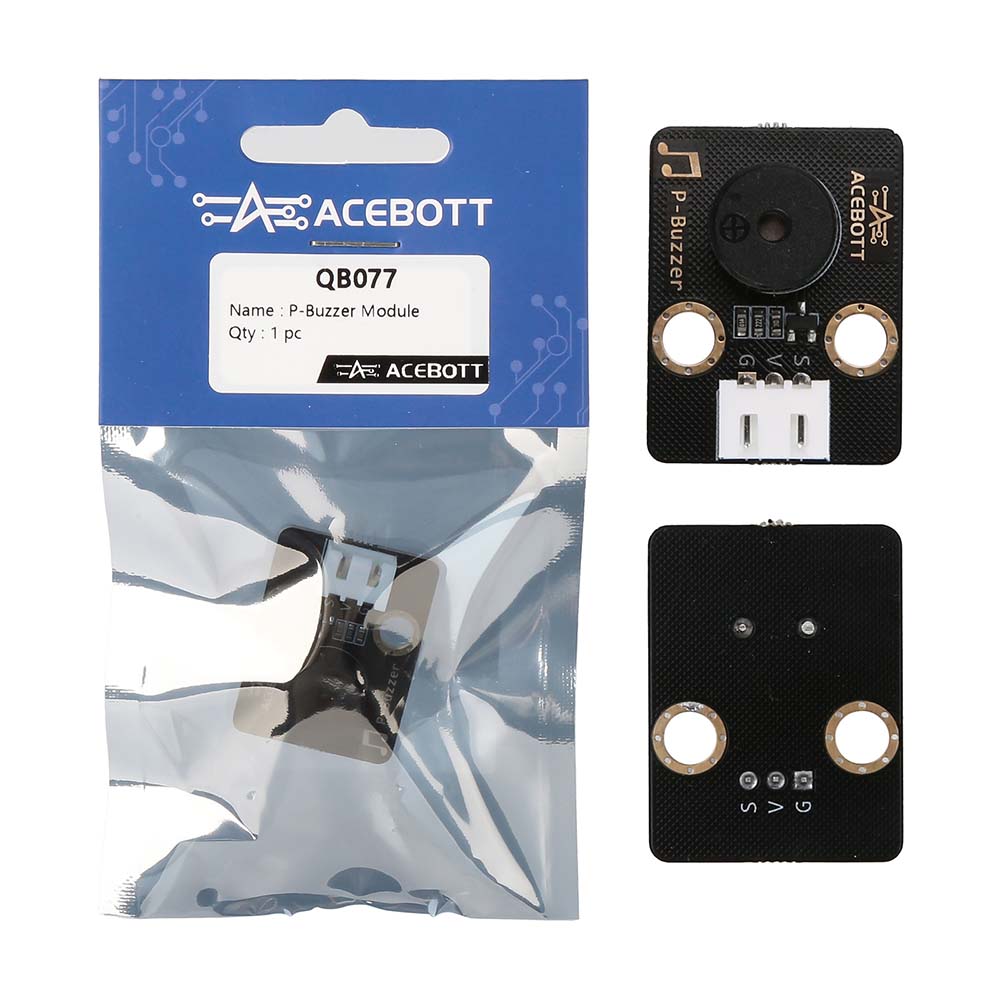
ACEBOTT Digital High-Level Piezo Passive Buzzer Module

ACEBOTT 760nm-1100nm Fire Source Digital Flame Detector
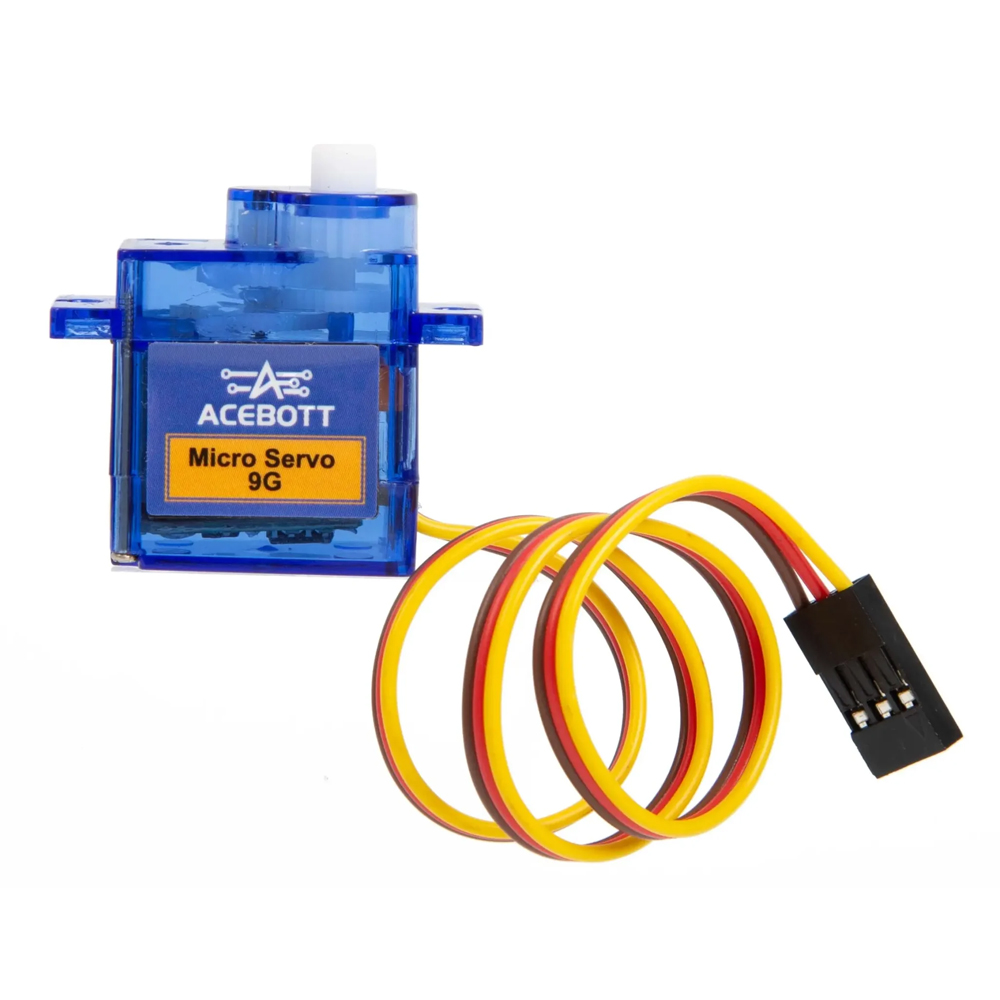
ACEBOTT SG90 Precision 180-Degree Micro Digital Servo Motor
Comprehensive Engineering Analysis: Reachy Mini Dimensions, Structural Kinematics, and Assembly Clearances
In modern industrial design, interactive artificial intelligence, and educational robotics, dimensional optimization represents the single most crucial vector governing mechanical stability, dynamic latency, and thermal equilibrium. The market category loosely recognized under Reachy Mini dimensions encapsulates a specialized tier of bio-inspired desktop humanoid robots, 4DOF to 7DOF articulating manipulator arms, and bio-mimetic pan-tilt sensor heads. For procurement directors, institutional robotics laboratories, and international original equipment manufacturers (OEMs), sourcing these assemblies from qualified Chinese industrial centers requires a rigorous understanding of coordinate envelopes, component tolerances, link clearances, and actuator power densities.
1. Workspace Envelopes and Coordinate Limits
The volumetric workspace of a standard Reachy Mini class manipulator is modeled in Cartesian coordinate space $(X, Y, Z)$ using Denavit-Hartenberg (D-H) kinematic parameters. Standard baseline models manufactured in Shenzhen Reachybott's dedicated facility typically adhere to the following physical boundary constraints:
Total Vertical Height (Z-Axis): At complete neutral calibration, the overall assembly height ranges between 420 mm and 480 mm, providing an anthropomorphic desktop presence that aligns with human eye-level gaze angles when seated at standard ergonomic workstations (720 mm surface height). This dimension ensures optimal human-robot interaction (HRI) studies and unobstructed camera telemetry.
Arm Reach and Radial Extension (R-Plane): The maximum theoretical radial reach of the robotic limb—measured from the centerline of the shoulder pitch actuator to the mechanical coupling flange of the end-effector—measures between 310 mm and 365 mm. This guarantees a spherical working volume exceeding 0.08 cubic meters, allowing the manipulator to traverse desktop work surfaces, grasp designated payloads (up to 250g–500g dynamic rating), and interface with adjacent sorting fixtures without risking physical interference with its base electronics.
Footprint and Base Diameter: A critical failure point in low-cost robotics is base deflection caused by momentum transfer during rapid joint acceleration (slew rates exceeding 120°/s). Reachybott engineers standard baseline mounting plates with an outer footprint envelope of 180 mm × 180 mm to 220 mm × 220 mm, utilizing CNC-machined 6061-T6 aluminum alloy or 5mm reinforced industrial acrylic plates. This wide base footprint lowers the structural center of gravity ($h_{cg} < 145 \text{ mm}$ above table level) and incorporates pre-tapped M4 mounting patterns compatible with international optical breadboards (25mm and 50mm grid spacing).
2. Angular Sweep Ranges and Actuator Clearances
Achieving fluid bio-inspired movement requires extreme dimensional precision within each rotational joint casing. Sub-millimeter deviations during plastic injection molding or CNC milling directly induce gear tooth backlash, thermal throttling, and acoustic resonance:
- Shoulder Pitch & Roll: Dual-bearing supported casings delivering an angular excursion range from -90° to +110°, designed with an internal axial gap clearance of $0.15 \pm 0.03 \text{ mm}$ to prevent friction binding under transverse loading.
- Elbow Flexure: 0° to 135° articulable clearance envelope with built-in silicone mechanical bump-stops to protect internal ribbon cables from dynamic pinch cycles.
- Wrist Yaw/Pitch/Roll: Compact 3-axis spherical orientation cluster occupying an axial volume under $65 \times 55 \times 55 \text{ mm}$, permitting tight-radius dexterous tool positioning and end-effector manipulation.
- Pan-Tilt Neck Kinematics: Continuous pan rotation options ($\pm 180^\circ$) coupled with tilt articulation (-25° to +35°), engineered to support stereoscopic wide-angle depth sensors without blocking arm trajectories.
Reachy Mini Dimensional Configurations vs. Industrial Use Cases
Compare mechanical profiles, kinematic tolerances, and target application thresholds across standard and custom manufactured desktop robotics platforms.
| Architecture Class | Overall Height & Reach | Footprint Dimension | Total Mass (kg) | Actuator Torque (kg·cm) | Repeatability | Primary Deployment |
|---|---|---|---|---|---|---|
| Reachy Mini Desktop Explorer | 420 mm H / 310 mm Reach | 180 × 180 mm Base | 1.85 kg | 9.5 to 15.0 kg·cm | ± 0.5 mm | Secondary Education, STEM Labs, Python Coding |
| Reachy Mini AI Research Edition | 460 mm H / 355 mm Reach | 210 × 210 mm Base | 2.40 kg | 18.0 to 25.0 kg·cm | ± 0.2 mm | Computer Vision, Reinforcement Learning, University Labs |
| Modular 4DOF Articulated Arm | 380 mm H / 290 mm Reach | 150 × 150 mm Base | 1.25 kg | 4.8 to 12.0 kg·cm | ± 0.8 mm | Pick-and-Place Automation, Sorting Conveyors |
| Biped Locomotion Reachy Platform | 320 mm H / 185 mm Stride | 140 × 95 mm Foot Envelope | 1.60 kg | 12.0 to 20.0 kg·cm | ± 1.0 mm | Kinematic Balance Research, Gait Dynamics Competitions |
| Heavy-Duty Custom Metal-Core | 480 mm H / 380 mm Reach | 240 × 240 mm Base | 3.85 kg | 35.0 to 55.0 kg·cm | ± 0.08 mm | Industrial Visual Inspection, Precision Laboratory Sorters |
Future Procurement Trends in Compact Robotics & Kinematic Assemblies
Global market indicators reveal seismic shifts in how educational institutions, supply chain aggregators, and tech brands negotiate and specify desktop robotics hardware from China.
1. Convergence on Modular COTS Architectures
Procurement directors are phasing out proprietary, closed-box servo linkages in favor of Commercial-Off-The-Shelf (COTS) modularity. Modern B2B tenders specify universal mounting flanges, open ESP32/ESP8266 controller architectures, and quick-disconnect harness fittings. This shift minimizes single-source supply chain risk and enables field technicians to replace localized sub-assemblies (such as the ACEBOTT SG90 micro servo or integrated DC drivers) within minutes, extending system lifecycle longevity beyond 5 years.
2. High-Torque Brushless & Serial Bus Actuation
While traditional pulse-width modulation (PWM) micro-servos dominate introductory kits, next-generation procurement demands magnetic-encoded serial bus servos operating on daisy-chained RS-485 or CAN bus protocols. Serial bus actuators dramatically clean up internal chassis wiring, shrinking internal cable raceway dimensional requirements by over 40% and providing real-time telemetry streaming: dynamic joint position, rotational velocity, operational temperature, and torque draw feedback.
3. Zero-Backlash Cycloidal & Planetary Gears
Precision requirements in edge-computing robotics have caused buyers to move away from spur gear trains prone to rapid gear lash wear. Current export contracts increasingly demand metal-powder sintered planetary gearheads or cycloidal speed reducers integrated directly inside joint hubs. These advanced micro-transmissions maintain dimensional envelopes under 45 mm diameter while multiplying continuous torque output up to 4.5× with backlash ratings under 15 arc-min.
4. ESG-Compliant Bio-Plastics and Dimensional Carbon Reduction
Institutional buyers in the European Union (CE, RoHS, WEEE) and North America are mandating verifiable eco-credentials in vendor manufacturing processes. Shenzhen Reachybott Co., Ltd. is leading this transition by integrating high-precision injection-molded PLA-polycarbonate alloys and post-consumer recycled (PCR) engineering polymers. These materials match the dimensional stability and tensile strength of traditional ABS ($E > 2.4 \text{ GPa}$) while lowering the embodied carbon footprint per chassis by 32%. Packaging dimensions have likewise been reduced by 22% using custom high-density EPE foam inserts, yielding significant ocean and air freight savings across high-volume container shipments.
Engineering Horizons: The Future Evolution of Desktop Humanoid Platforms
How edge artificial intelligence, tactile distributed sensing, and ROS2-native microcontrollers are fundamentally reshaping robotic form factors and dimensional tolerances.
The evolutionary trajectory of mini humanoid and desktop robotics between 2025 and 2030 is defined by the intersection of three pivotal engineering revolutions: Edge AI Neural Processing Units (NPUs), Visuo-Tactile Sensor Integration, and Deterministic Real-Time Middleware (ROS2 / micro-ROS).
Embedded Edge Neural Compute in Desktop Dimensions
Historically, complex inverse kinematics (IK) and computer vision pipelines required offloading video frames to an external workstation or cloud GPU, introducing latencies between 60 ms and 250 ms. The latest generation of Reachy Mini architectures developed in Shenzhen incorporates low-power NPU modules (delivering 1.5 to 4.0 TOPS compute) mounted directly within the robot's head structure or base cavity without expanding its standard 180mm footprint. This allows real-time gaze tracking, face recognition, and 6D pose estimation running locally at 30 FPS under a power envelope of less than 7 Watts.
Distributed Piezoresistive Tactile Skins
Next-generation end-effectors are evolving beyond mechanical parallel-jaw clamps. Research and educational programs now require multi-modal tactile sensing arrays integrated directly into silicone gripper fingertip pads. Measuring under 1.2 mm in thickness, these piezoresistive sensor arrays register force vectors down to 0.05 N, enabling delicate manipulation of brittle scientific specimens, glassware, and irregular organic objects without mechanical damage.
Micro-ROS on Heterogeneous Dual-Core Microcontrollers
The adoption of micro-ROS running natively on dual-core Espressif ESP32-S3 and ARM Cortex-M4 architectures bridges the gap between low-cost microcontroller boards and enterprise-tier robotics stacks. Engineers can now subscribe directly to ROS2 topics over deterministic Wi-Fi (802.11 b/g/n) or native USB-Serial at 921,600 baud. This empowers students and research engineers to execute complex MoveIt2 trajectory planning and dynamic collision avoidance algorithms without compiling heavy custom serial bridging layers.
Shenzhen Reachybott Co., Ltd. — China's Premier Robotics Exporter
Integrating embedded hardware design, precision CNC machining, cleanroom PCB assembly, and international logistics execution directly from Shenzhen's high-tech hardware corridor.
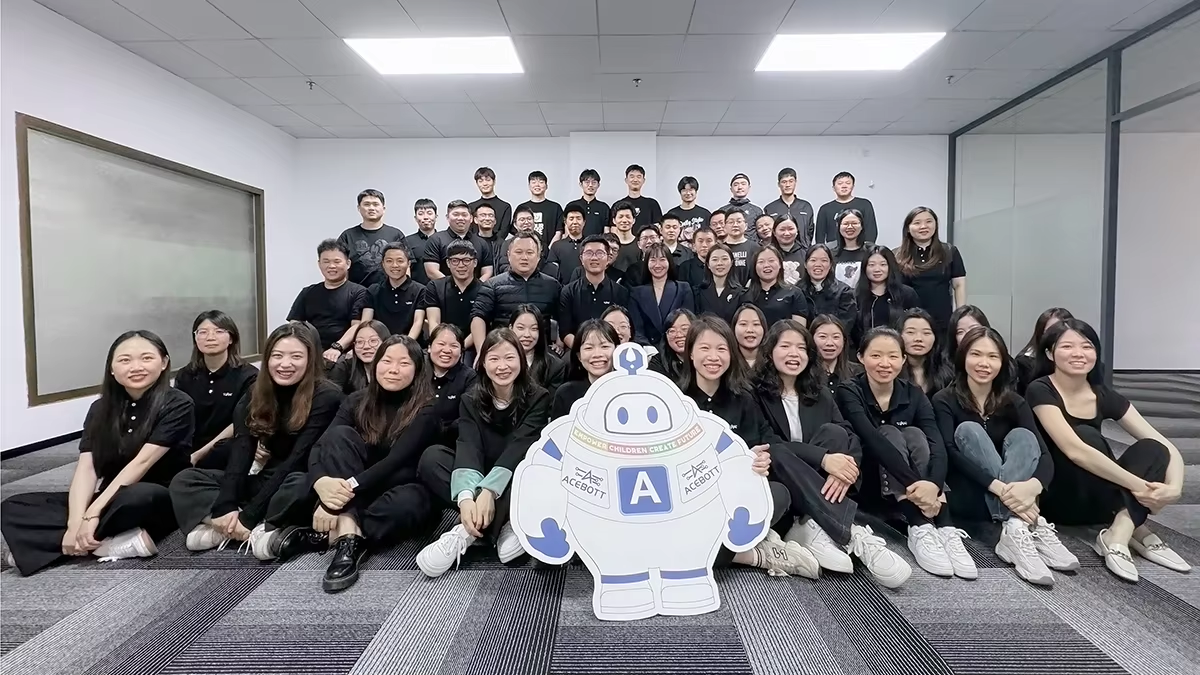
Full OEM & ODM Engineering
We provide comprehensive turn-key manufacturing: custom PCB layout, firmware development, structural 3D CAD modeling, custom-ratio injection tooling, silkscreen branding, and multilingual packaging customization.
Classroom-Ready Curriculum
Hardware is only half the equation. Our in-house education experts craft comprehensive, step-by-step PDF tutorials, project video walkthroughs, and modular lesson plans formatted for Scratch 3.0 and Arduino IDE coding.
Multicurrency Commercial Ease
We accept multi-currency settlements in USD, EUR, GBP, CAD, AUD, JPY, HKD, CHF, or CNY via T/T, Letters of Credit, Credit Cards, PayPal, Western Union, or Escrow trade assurance facilities.
Frequently Asked Questions & Technical Procurement Inquiries
Critical engineering answers, minimum order quantities, dimensional CAD access, and contractual guidance for B2B buyers and institutional procurement committees.
What are the exact dimensional tolerances and CAD formats provided for Reachy Mini kits?
What is the Minimum Order Quantity (MOQ) for sampling versus mass production?
Can Reachybott adapt robot arm dimensions or modify the number of mechanical Degrees of Freedom (DOF)?
Which embedded programming environments and software frameworks are supported?
What international testing certifications and compliance standards do your kits meet?
What are the lead times for custom export orders and what shipping methods are available?
Engage China's Foremost Robotics Engineering Team
Accelerate your educational robotics line, integrate custom Reachy Mini dimensions, or secure scalable factory-direct OEM pricing. Speak directly with our Shenzhen technical sales department today.