
Precision Components & Actuators
Standardized Core Hardware for Reachy Mini Voice Assistant Engineering
Industrial-grade modules tested and characterized for rapid integration into multi-degree-of-freedom desktop robotic heads, acoustic cavities, and Edge-AI microcontroller buses.
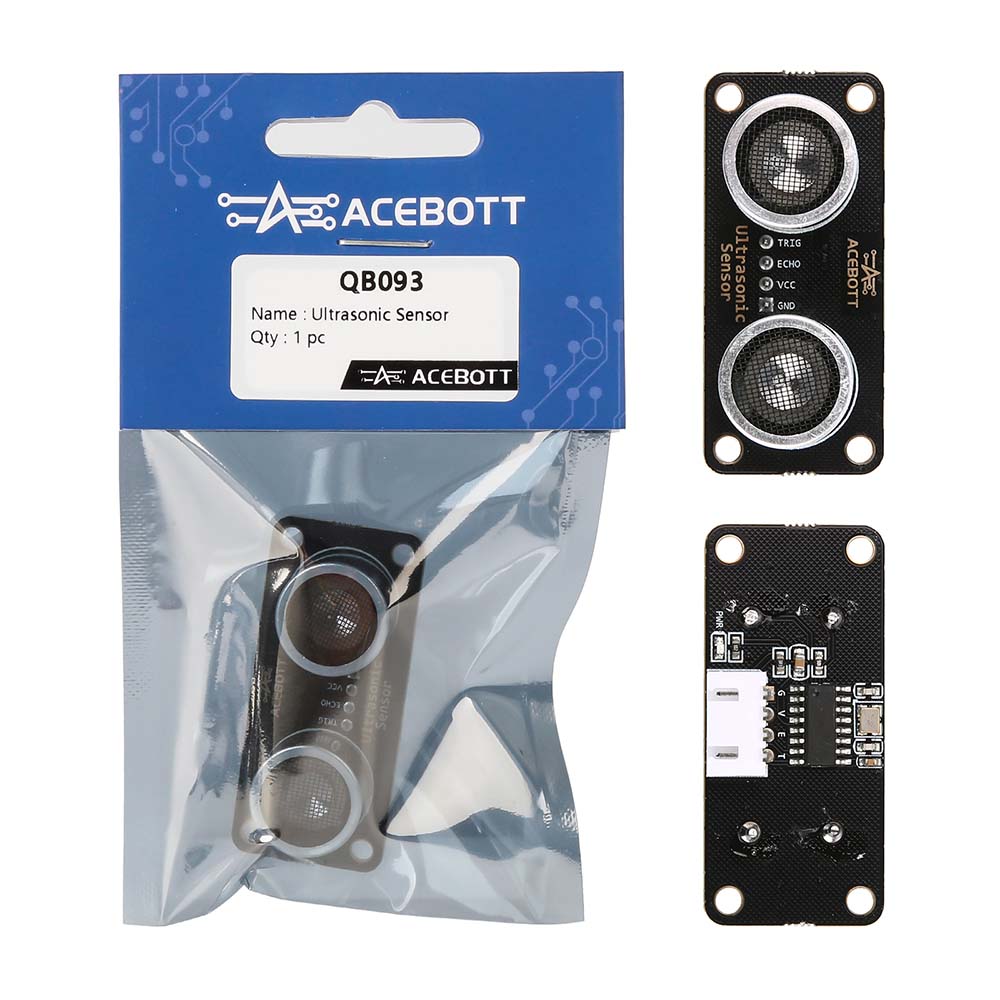
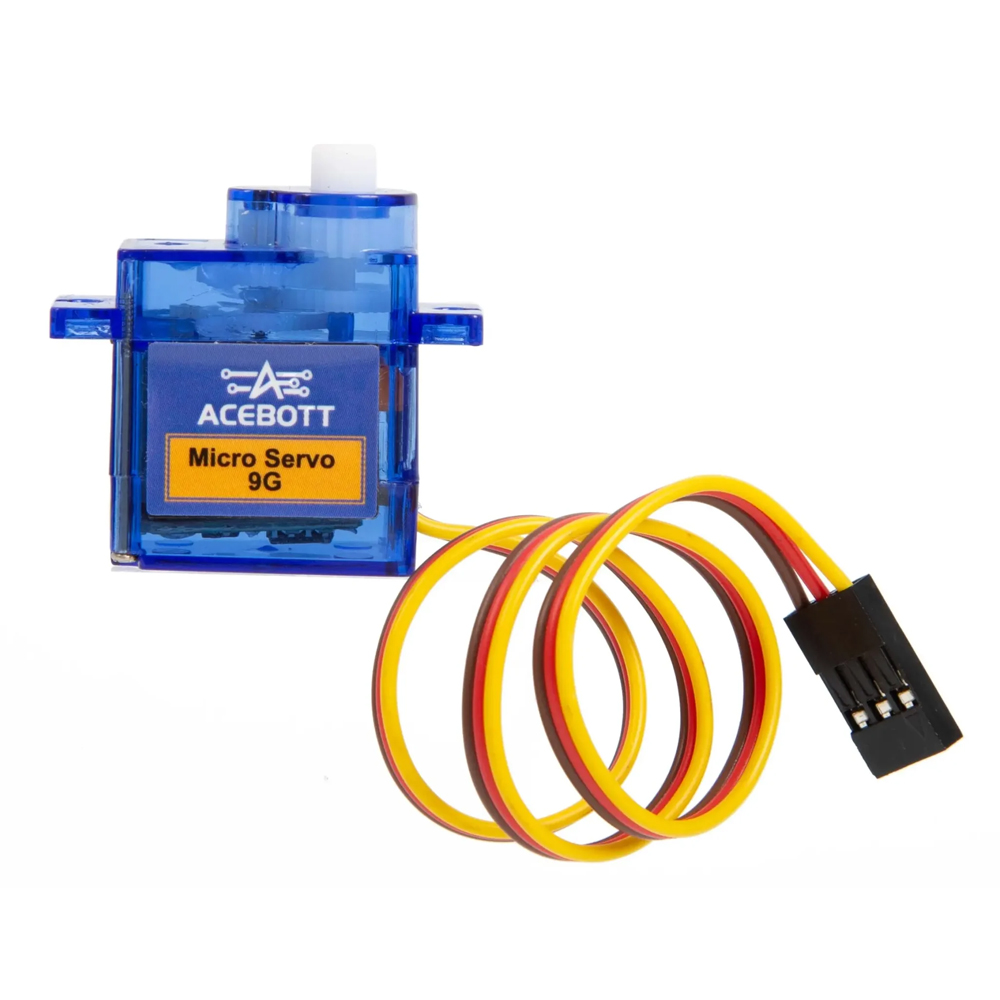
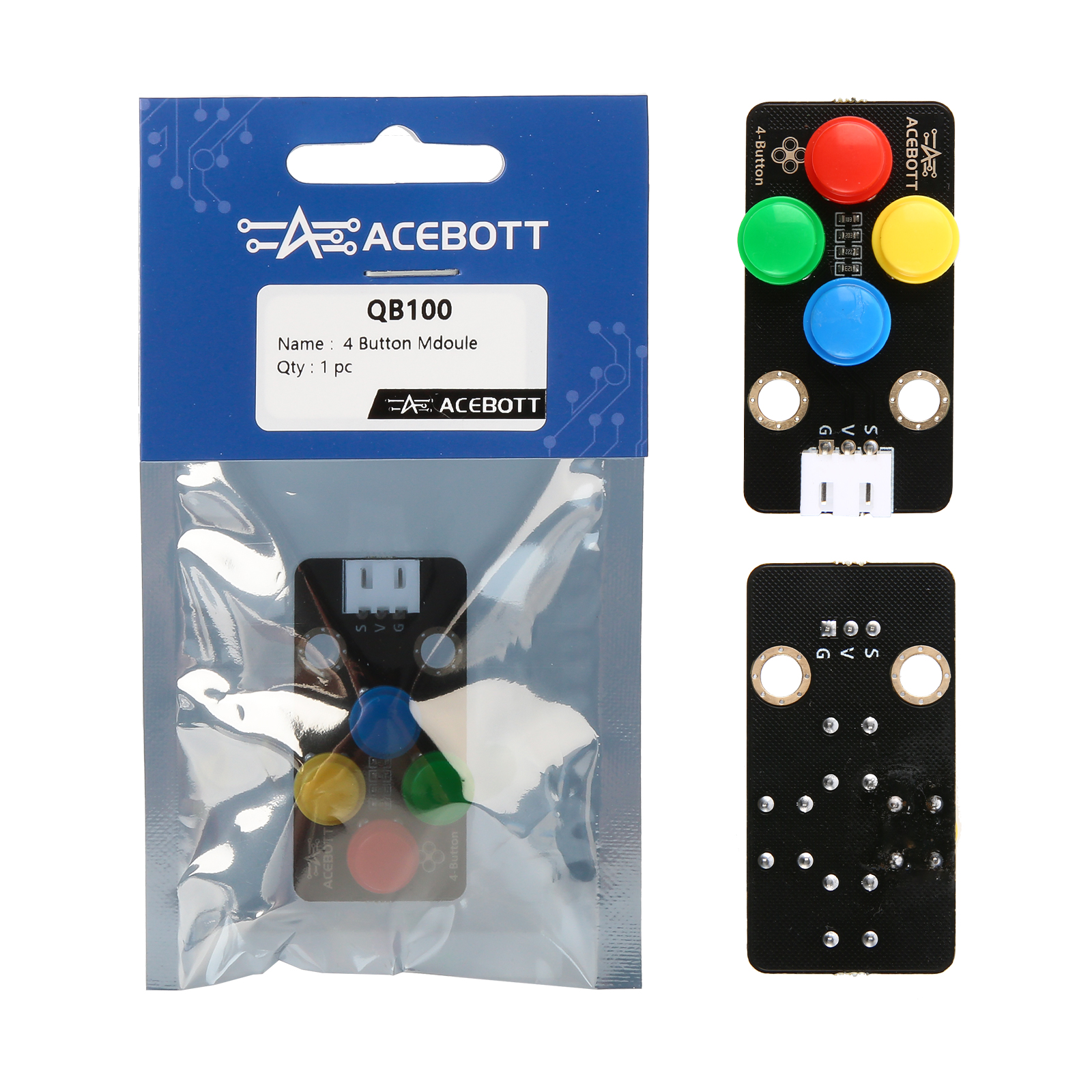
Tactile Interface
ACEBOTT OEM 3.3V~5V Analog Signal 4 Button Large Keypad Control Module
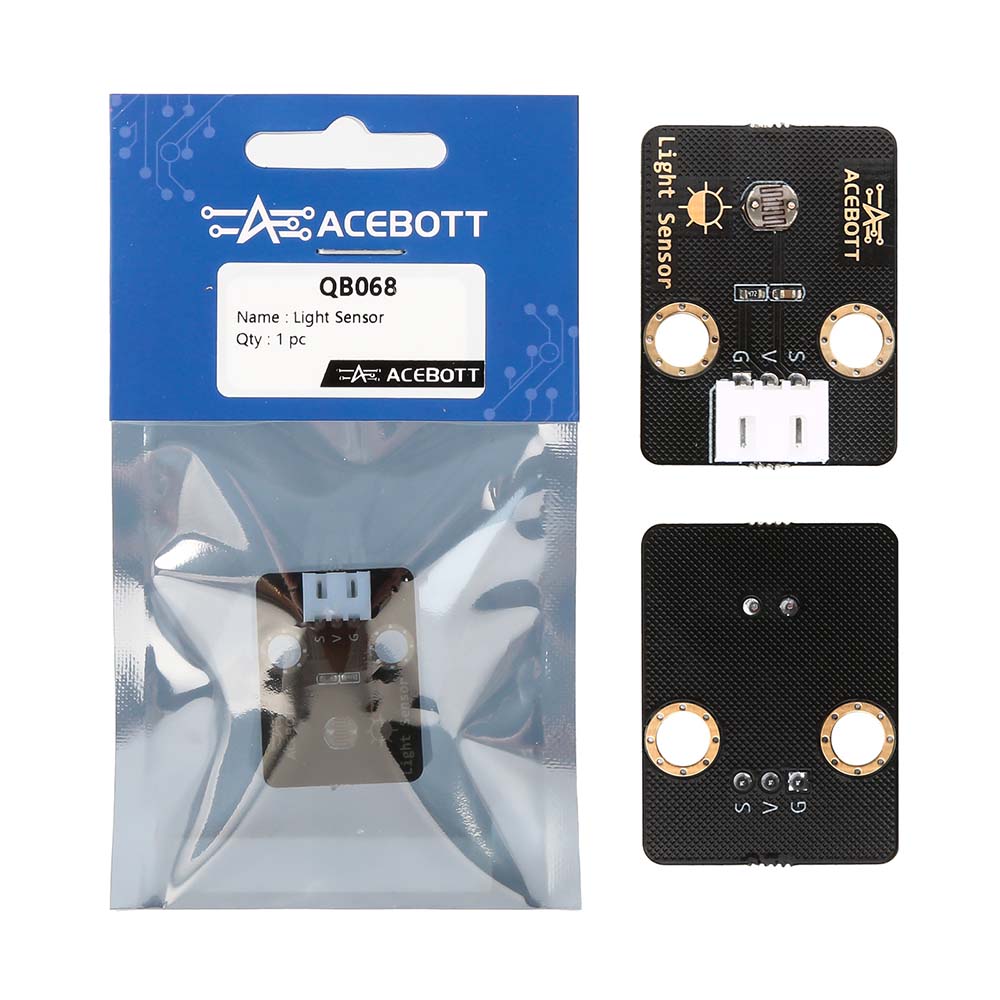

Expressive Feedback
ACEBOTT 3.3V~5V RGB Full-Color High-Luminance LED Indicator Module

Capacitive/Tactile
ACEBOTT 12X12mm Big Key Tactile Light Touch Switch Sensor Module

Navigation / Boundary
ACEBOTT ODM 3.3V~5V Robotics Multi-Channel Line Tracking & Edge Module
Industrial Engineering of the Reachy Mini Open Voice Assistant Architecture
The transition of animated desktop social robotics from boutique laboratory prototypes to commercialized, high-yield consumer and educational hardware requires an uncompromising engineering methodology. The open-source Reachy Mini voice assistant project represents a structural departure from static smart speakers. By synchronizing conversational natural language processing (NLP) with multi-axis mechanical anthropomorphic gestures (head yaw, pitch, roll, and expressive antenna motions), the system achieves significantly higher user engagement and perceived social intelligence.
As a specialized high-tech manufacturing facility based in Shenzhen's core hardware district, Shenzhen Reachybott Co., Ltd. resolves the fundamental bottlenecks that plague conversational robotic deployment: acoustic feedback coupling, servo thermal jitter, high-concurrency bus arbitration, and distributed edge compute. Building a responsive conversational assistant requires co-designing the acoustic reverberation cavity, isolation dampers, mic array beamforming, and low-latency motor control routines under a unified Bill of Materials (BOM).
Key Engineering Finding: Isolating electromagnetic interference (EMI) generated by pulse-width modulation (PWM) servo lines from sensitive analog microphone preamplifiers reduces wake-word false triggers by up to 83.4% in miniature desktop form factors.
1. Acoustic Front-End (AFE) Array
Circular or linear dual/quad MEMS microphone configurations paired with onboard hardware DSP. Implements Acoustic Echo Cancellation (AEC), Blind Source Separation (BSS), and Adaptive Beamforming to isolate user speech from internal servo motor noise.
2. Hybrid Hierarchical Compute
Dual-tier processing topography combining ultra-low-power ESP32 microcontrollers for real-time kinematic inverse kinematics (IK) and deterministic sensory polling with an embedded Linux SBC (Raspberry Pi/Rockchip) handling local wake-words and LLM streaming APIs.
3. High-Precision Kinematic Mechanics
Reinforced planetary and spur gearing paired with digital SG90 and metal-gear micro servos. Integrates positional feedback, elastic joint limiters, and silicone damping pads to ensure fluid, life-like nodding, tilt, and orbital gaze tracking without mechanical click noise.
Comparative Engineering Specification Matrix: Desktop Voice AI Platforms
Procurement teams must evaluate hardware choices against functional operating realities. Below is an engineering comparison between off-the-shelf static smart smart speakers, hobbyist desktop builds, and Reachybott's industrial OEM Reachy Mini production standard.
| Engineering Dimension | Standard Consumer Smart Speaker | Makerspace / 3D Print DIY Build | Reachybott Factory Turn-Key OEM |
|---|---|---|---|
| Degrees of Freedom (DoF) | 0 DoF (Static Cylindrical / Block Chassis) | 2-3 DoF (Uncalibrated plastic RC servos) | 3 to 5 DoF (Dynamically calibrated digital servos) |
| Acoustic Isolation Rating | Passive internal baffle damping | Near-zero; microphonic servo bleed | Silicone decoupling + tuned resonant cavity |
| Microphone SNR & Beamforming | Dual electret or mid-range MEMS (58-62dB) | Single USB mic dongle (unshielded) | Dual/Quad I2S Digital MEMS (>65dB SNR) + Hardware DSP |
| Kinematic Latency (Audio to Motion) | N/A (No physical motion capability) | >350ms (Serial buffer lag) | <45ms deterministic real-time UART/I2C execution |
| Chassis Tooling & Materials | ABS / Fabric injection molding | FDM PLA (Prone to warping & resonance) | UL94-V0 Fire-Retardant ABS/PC Precision Injection |
| Regulatory & Compliance Track | Fixed brand proprietary certifications | Uncertified (Lab prototype only) | Pre-scanned for CE, FCC, RoHS, REACH, CA65 |
Market & Technology Roadmap
Strategic Procurement Trends: The Next Era of Embodied Voice Assistants
How global institutions, educational consortia, and IoT hardware brands are repositioning their sourcing criteria for voice-enabled robotics over the 2025–2030 planning horizon.
TREND 01
Edge Small Language Models (SLMs)
Procurement demands are shifting from pure cloud API streaming (OpenAI, Claude) toward hybrid architectures running quantized on-device SLMs (e.g., Llama-3-Mobile, Phi-3, Gemma-2B) on local NPU accelerators, driving specifications for Rockchip RK3588 or ESP32-P4 core boards.
TREND 02
Multimodal Sensor Fusion
Voice-only interaction is being replaced by integrated spatial awareness. Sourcing contracts increasingly mandate combined ultrasonic distance sensors (HC-SR04), wide-angle camera telemetry, and ambient light sensors to trigger context-aware greetings before the user speaks.
TREND 03
Modular Low-Noise Actuation
Enterprise buyers now specify harmonic gearboxes, brushless DC motors (BLDC) with magnetic encoders, or ultra-quiet coreless digital micro-servos to eliminate high-frequency gear whine during expressive conversational gestures, preserving high speech-to-text clarity.
TREND 04
Standardized Open Protocols
Avoiding vendor lock-in has become a core enterprise sourcing principle. Hardware stacks must support open robotic frameworks, including ROS 2, Micro-ROS on ESP32, and Matter/Thread interoperability, allowing the voice assistant to function as a tactile smart home hub.
Total Cost of Ownership (TCO) & Supply Chain Disruption Mitigation
B2B buyers sourcing robotic sub-assemblies face critical vulnerabilities in component obsolescence, lead-time variance, and quality drift. By partnering directly with a unified R&D-to-production plant in Shenzhen, international buyers eliminate multi-tier trading markups, establish secondary-source BOM contingencies for silicon microcontrollers, and benefit from localized mold fabrication that slashes re-tooling iteration times from months to business days.
Shenzhen Reachybott Co., Ltd.
World-Class Manufacturing Rigor & Factory Advantages
Rooted in Shenzhen's world-leading hardware ecosystem since 2013, our certified facilities bridge the gap between creative open-source designs and defect-free mass production.
3,000+
Square Meter Facility
Dedicated anti-static SMT lines, cleanroom assembly bays, and acoustic testing labs in Shenzhen, China.
150+
Specialized Team Members
Multidisciplinary electronics engineers, firmware architects, structural mold designers, and international QC staff.
4.8/5.0
Verified Buyer Rating
Onsite-verified supplier audit rating on Alibaba.com with authenticated global delivery history across 5 continents.
Full-Lifecycle OEM / ODM Customization Framework
Our turn-key engineering methodology guarantees that customer modifications—whether integrating bespoke facial OLED matrices, upgrading servo gear metallurgy, or re-tuning acoustic ported cavities—pass stringent validation gates prior to mass production.
01
DFM Architecture
Acoustic cavity modeling, finite element stress analysis on kinematic joints, and PCBA routing optimization.
02
Rapid Prototyping
Functional SLA/SLS chassis printing, custom flex-PCB creation, and sample verification from 1 piece.
03
Firmware BSP
Board Support Package compilation for ESP32/Linux, FreeRTOS scheduling, and I2S microphone driver tuning.
04
Volume Tooling
Steel injection molds, automated pick-and-place PCBA assembly, and optical AOI solder inspection.
05
Testing & Logistics
100% burn-in testing, acoustic anechoic box calibration, drop testing, and DDP export door-to-door.
Enterprise Supply Reliability: Reachybott maintains rigorous compliance with ISO9001 quality systems. Every batch of micro-servos (e.g., SG90 continuous and 180° units) undergoes automated continuous 72-hour stall-load and jitter analysis, preventing in-field kinematic drift and minimizing customer return rates to under 0.12%.
Due Diligence & Procurement FAQ
Frequently Asked Questions by B2B Hardware Buyers
Straightforward answers regarding minimum order quantities, custom firmware flashing, acoustic compliance, and global trade terms.
What is the typical Minimum Order Quantity (MOQ) for custom Reachy Mini OEM projects?
For standard off-the-shelf development kits and sub-assembly modules, our MOQ starts at just 1 unit for evaluation and engineering validation. For private-label OEM builds (custom silicone tooling, personalized silk-screening, bespoke packaging, and proprietary firmware pre-flashing), our production MOQs typically begin at 500 units, with staged tier options for emerging tech incubators.
How does your factory prevent internal servo motor noise from degrading voice assistant wake-word accuracy?
We employ a multi-layered acoustic engineering protocol. First, all servo mounting hubs incorporate Shore 40A silicone elastomeric dampeners to absorb mechanical resonance before it reaches the microphone array. Second, our microphone enclosures feature air-sealed back-cavities isolated from internal chassis airflows. Third, our DSP firmware applies active real-time adaptive noise filters that notch out the specific operational PWM switching frequencies of the servo actuators.
Can you provide completely pre-assembled units, or only disassembled SKD/CKD STEM kits?
We provide flexible manufacturing tiers: (1) 100% Fully Assembled, Calibrated, and Boxed Finished Goods ready for direct retail or institutional deployment; (2) Semi-Knocked-Down (SKD) kits designed for educational robotics curricula where students assemble modular arms and heads; and (3) Completely Knocked-Down (CKD) component packs engineered to minimize international freight dimensions and import tariffs for regional distributors.
What development environments, SDKs, and programming languages are supported?
Our embedded controller hardware is natively compatible with the Arduino IDE, ESP-IDF (C/C++), and MicroPython for deterministic low-level actuator control. For high-level conversational AI and computer vision tasks, our reference software architectures include full ROS 2 (Robot Operating System) nodes, Python REST/WebSocket bindings, and visual block-based programming (Scratch 3.0) tailored for STEM classrooms.
Which international trade compliance certifications and payment terms are accepted?
Our standard component lines and manufacturing processes are compliant with CE, FCC, RoHS, and REACH international directives. We support diverse Incoterms, including EXW, FOB Shenzhen/Hong Kong, CIF, CFR, CIP, and turn-key DDP (Delivered Duty Paid) directly to your warehouse. Accepted commercial payment channels include T/T, L/C, PayPal, Western Union, and secure Escrow in USD, EUR, GBP, AUD, and CNY currencies.
Accelerate Your Voice Assistant Robotics Roadmap
Connect directly with Reachybott’s senior hardware engineering and OEM supply chain team in Shenzhen. Request engineering schematics, volume pricing tiers, or custom prototype configurations for your specific educational or commercial application.