Precision Sensor Modules & Robotic Actuators
Tested, modular electronic components and sensor assemblies fully compatible with ESP8266 and ESP32 microcontroller ecosystems. Designed for scalable robotics integration across Japan’s primary, secondary, and collegiate engineering curricula.
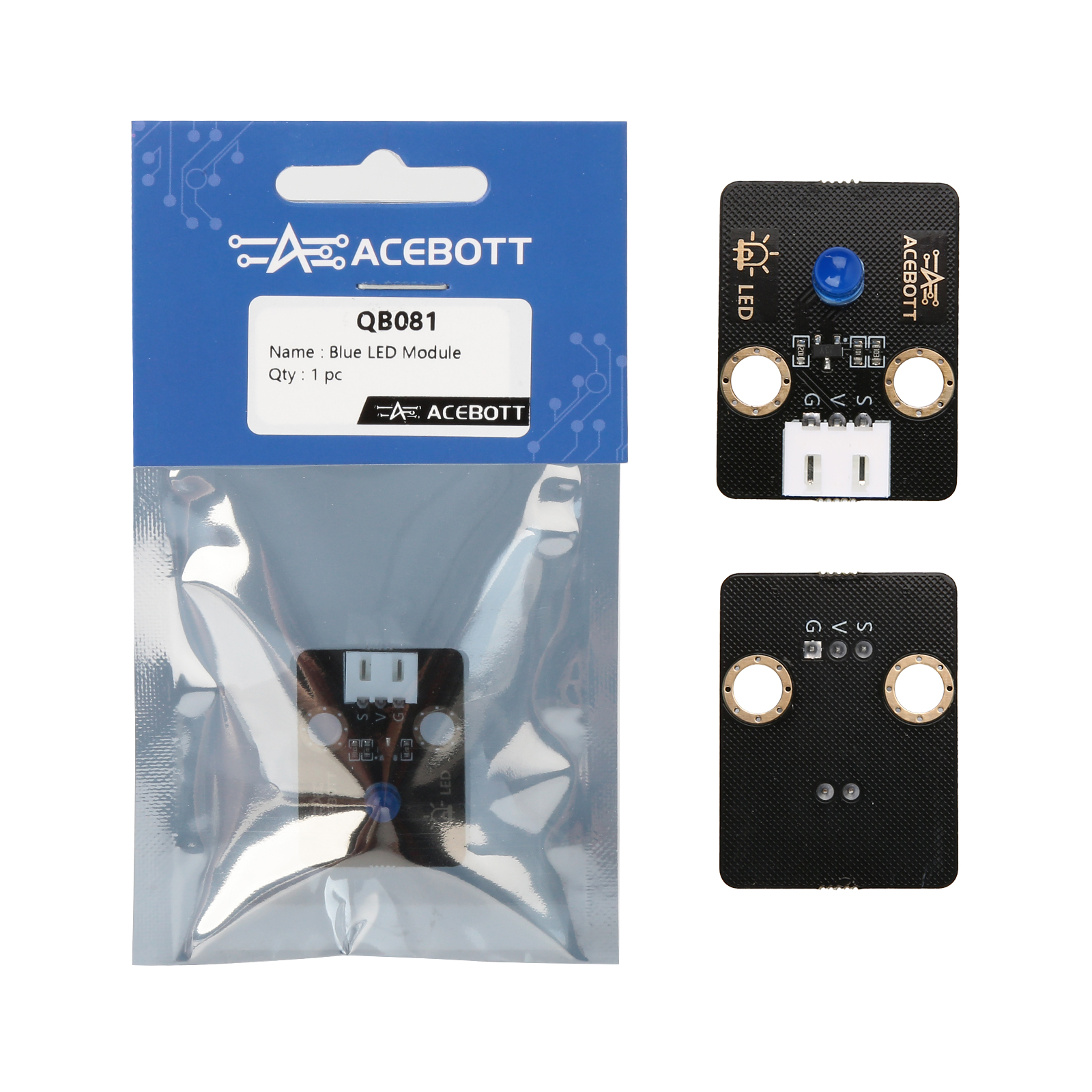
ACEBOTT 5mm Blue LED Light Module
Low-draw 3.3V/5V compatible logic-level digital output block. Essential for breadboard telemetry, wireless status indicators, and state-machine feedback in student robotics builds.
View Module Specs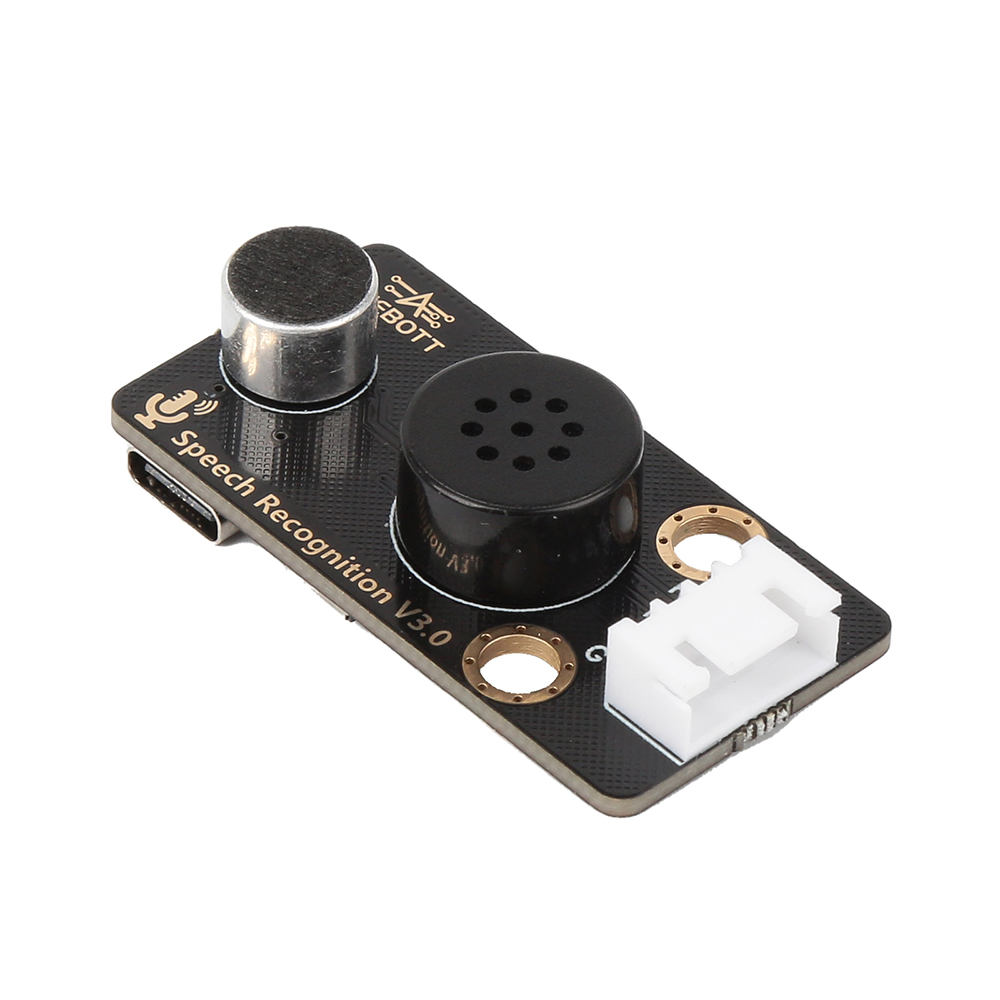
ACEBOTT Voice Recognition Module V3.0
Integrated Bluetooth and onboard acoustic processing array. Delivers off-line neural speech recognition ideal for voice-guided automated robotic chassis and Japanese phonetic control.
View Module Specs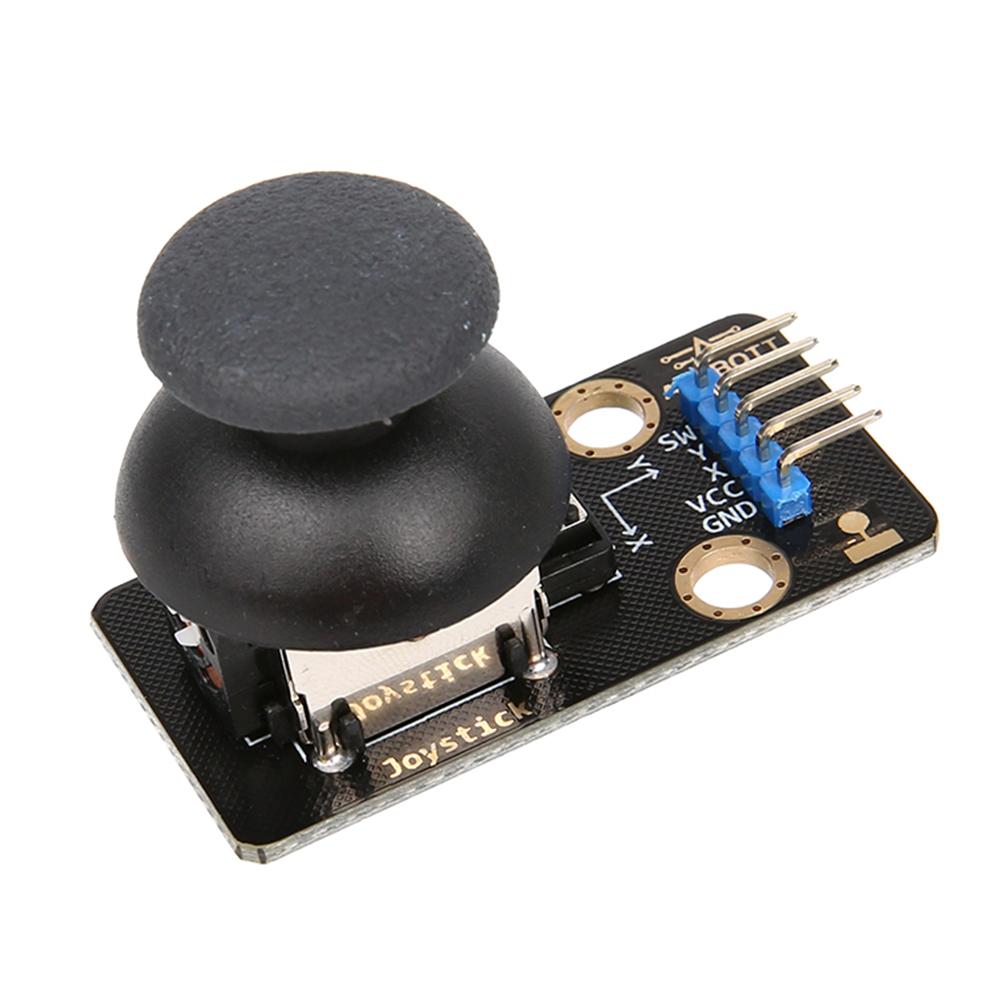
ACEBOTT PS2 Dual-Axis Joystick Key Module
Dual-potentiometer analog input module with integral momentary push switch. Perfect for tactile manual teleoperation consoles and kinematics articulation on mobile rovers.
View Module Specs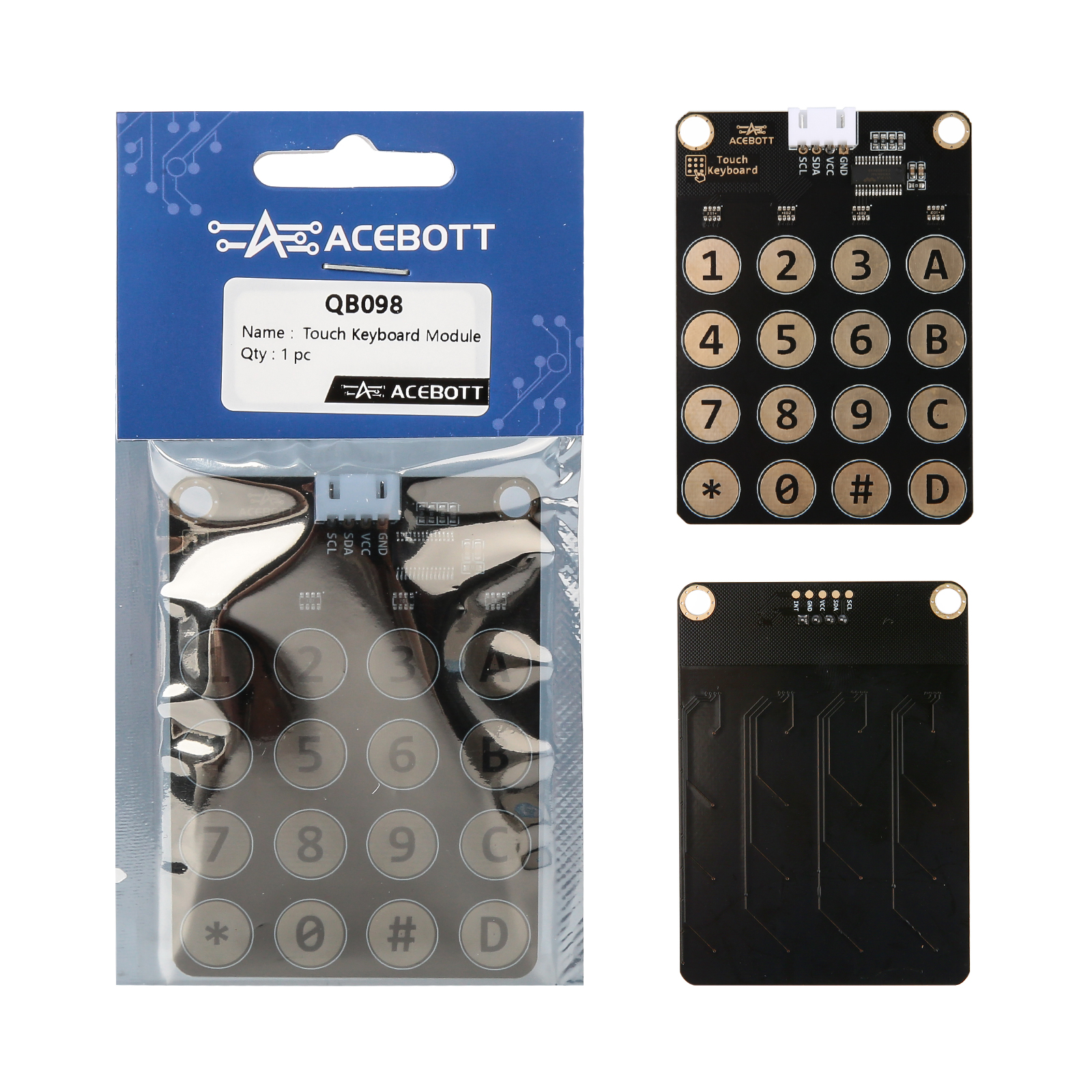
ACEBOTT 4x4 Capacitive Touch Matrix Keypad
High-reliability solid-state membrane interface supporting 16-key matrix multiplexing. Widely applied in educational robotic lock-boxes, numerical parameter entry, and security bots.
View Module Specs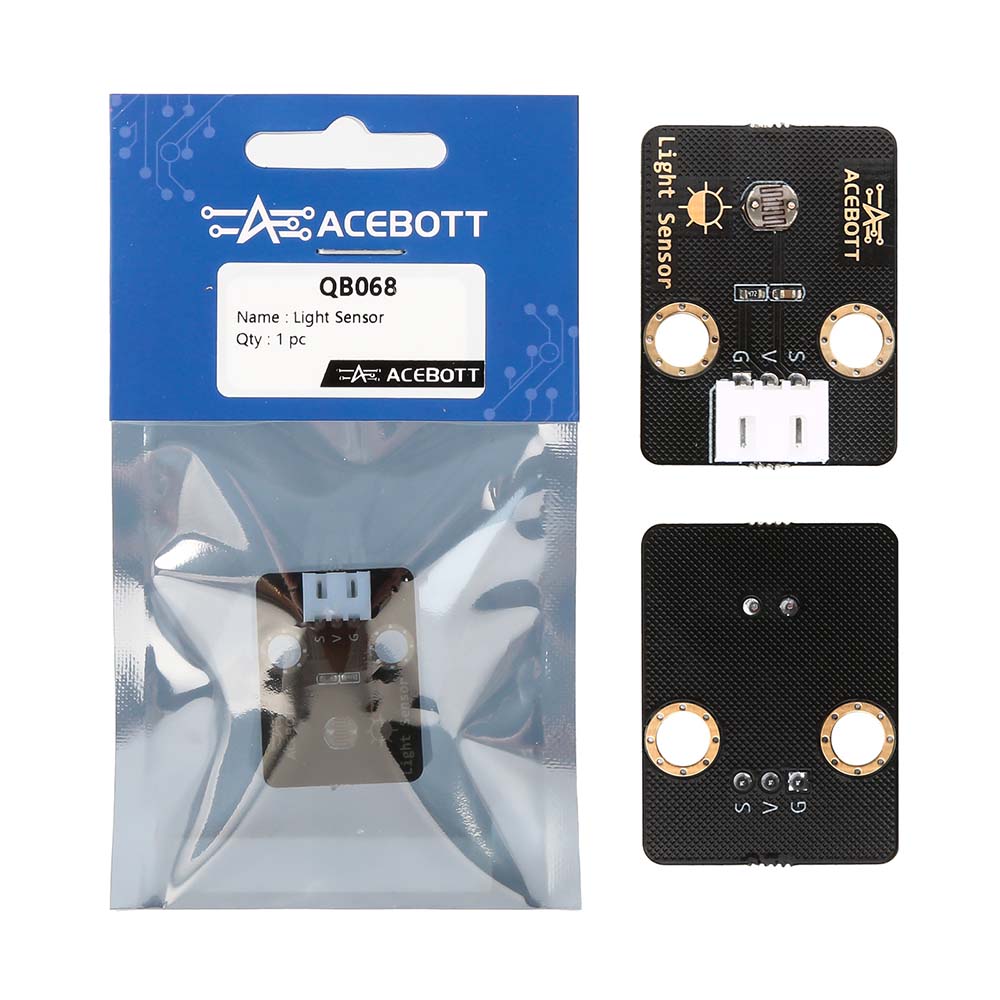
ACEBOTT Photosensitive Photoresistor Sensor
Fast-response cadmium-free optical sensing unit providing both digital threshold switching and linear analog voltage output for light-seeking and shadow-avoiding mobile robots.
View Module Specs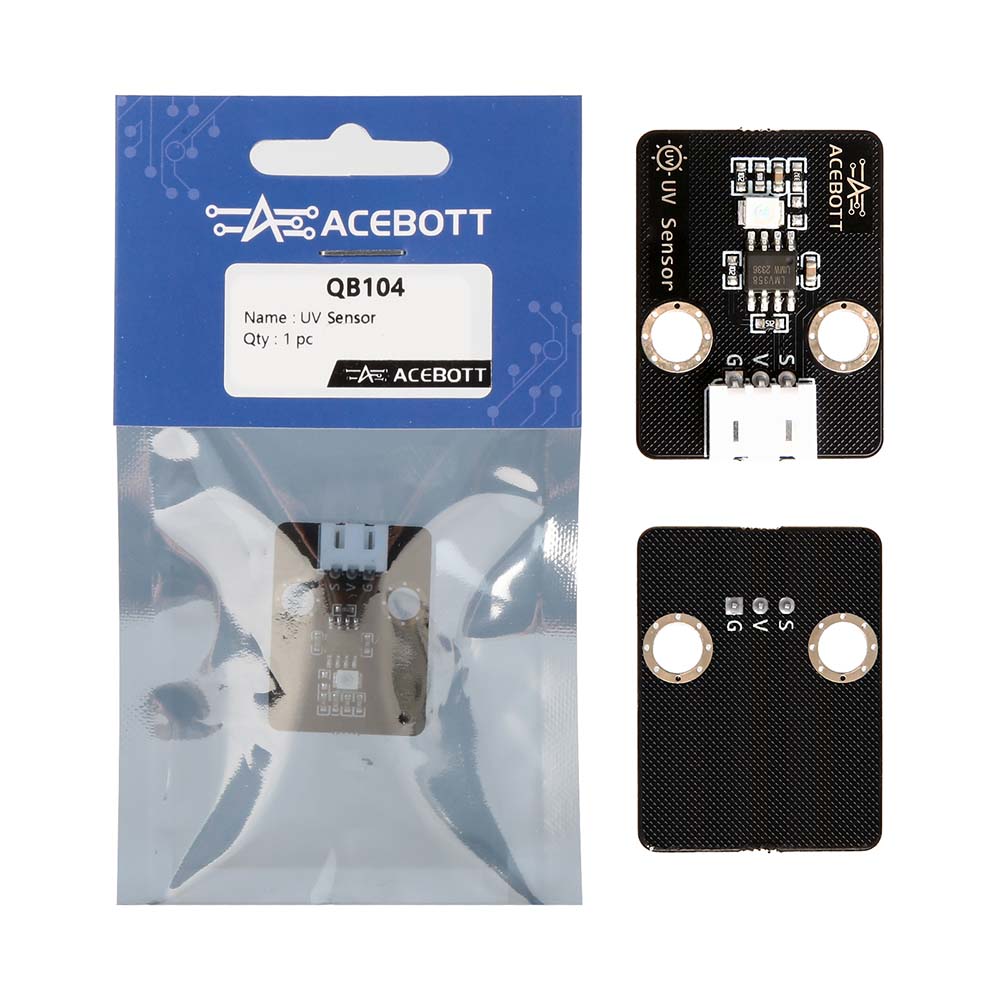
ACEBOTT High-Sensitivity UV Solar Sensor
Precision 0–1100mV analog ultraviolet radiometer module. Engineered for agricultural inspection rovers, micro-climate weather stations, and student environmental STEM experiments.
View Module Specs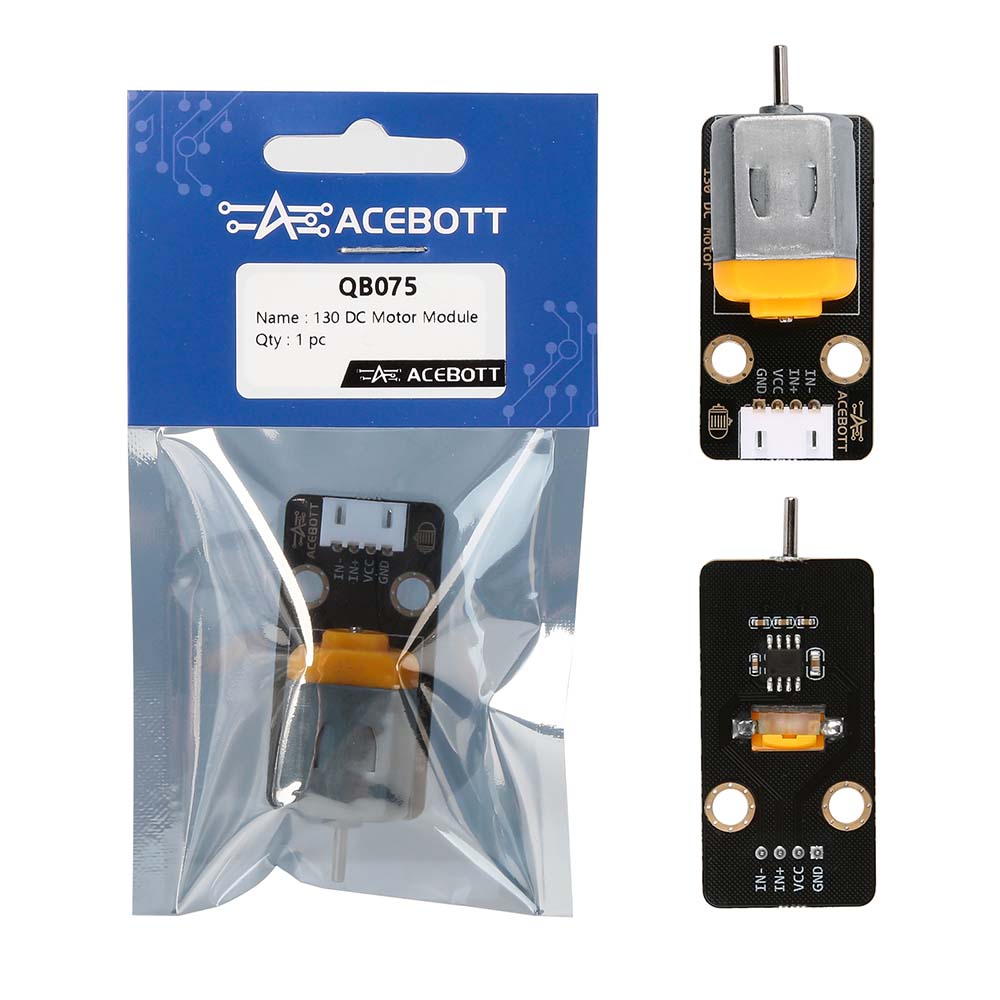
ACEBOTT Mini 130 DC Motor Driver Module
Thermal-protected 200mA driver with dual direction logic. Operating down to 3.3V with back-EMF suppression diodes, ideal for educational mobile platform propulsions and fire-fighting fans.
View Module Specs
ACEBOTT IR Obstacle Avoidance Sensor
Compact active infrared emitter-detector with onboard comparator and sensitivity potentiometer. Essential for high-speed obstacle evasion, perimeter bounding, and Sumo robot rings.
View Module Specs1. Executive Whitepaper: The Strategic Transition to ESP8266 Robotics in Japanese Education
As Japan accelerates its comprehensive national transformation toward Society 5.0, the Ministry of Education, Culture, Sports, Science and Technology (MEXT / 文部科学省) has fundamentally restructured computing and engineering curricula across the Japanese archipelago. While elementary programming previously relied on standalone, offline microcontrollers, the contemporary pedagogical imperative demands an immediate grasp of the Internet of Things (IoT), cyber-physical integration, and edge-device networking.
The ESP8266 Wi-Fi robotics kit represents the decisive turning point for Japanese schools, KOSEN technical colleges (高等専門学校), and commercial EdTech franchises. Integrating a 32-bit Tensilica Xtensa L106 RISC microprocessor alongside an IEEE 802.11 b/g/n RF baseband on a single monolithic silicon die, the ESP8266 platform bridges the gap between mechanical robotics and cloud automation without the prohibitive cost profiles of industrial PLC hardware.
For Japanese educational wholesalers, school equipment procurement associations, and specialized electronics trading companies (商社), importing standardized ESP8266 educational kits guarantees multi-year hardware consistency. Unlike consumer toys, our export-grade kits offer rich low-level peripheral access (GPIO, PWM, I2C, SPI, UART, and 10-bit ADC), permitting a seamless instructional progression from visual drag-and-drop block coding (Scratch 3.0 / Blockly) to full-fledged C++ within the Arduino IDE, and onward to MicroPython or FreeRTOS firmware design.
2. Advanced Hardware Engineering: Thermal, Power, and RF Integrity
Exporting embedded electronics to the Japanese archipelago necessitates acute attention to electrical engineering standards. Japanese educators and institutional procurers demand zero-tolerance thresholds for erratic power cycling and unstable wireless connections. Our engineering architecture addresses the critical physical parameters of the ESP8266 platform:
- Low-Dropout (LDO) Power Regulation & Brownout Protection: The ESP8266 RF transmitter exhibits sharp current transients, surging up to 170mA during Wi-Fi transmission bursts (beacon sync, socket broadcasts). In standard low-tier kits, this induces a sudden rail voltage collapse below the MCU's 2.7V operational floor, triggering random hardware resets. Our robotics motherboards incorporate ultra-low-noise high-current 3.3V LDOs (rated at 800mA continuous) coupled with low-ESR ceramic decoupling capacitors and dedicated power rails separating logic circuits from mechanical DC motor driver inductances.
- Dual-H-Bridge Motor Driver Isolation: Utilizing low-internal-resistance MOS H-bridge motor drivers rather than archaic Darlington-array transistor architectures (such as the legacy L298N), our platforms minimize thermal dissipation, prevent battery drain, and eliminate inductive back-EMF spikes from infiltrating the ESP8266 digital GPIO matrix.
- Modular Quick-Connect Bus System: Recognizing that school classrooms operate under strict 45-to-50 minute lesson schedules, our modular building blocks feature keyed, anti-reverse connection interfaces. This eliminates reverse-polarity damage while retaining breakout header pins for traditional jumper-wire prototyping in advanced technical high schools.
The resulting platform delivers exceptional durability under intensive classroom rotation, drastically minimizing product returns and warranty claims for our wholesale partners across Japan.
Localized Implementations Across Japan
How our ESP8266 robotics kits and modular sensor ecosystems integrate into Japanese academic institutions, commercial coding networks, and industrial innovation hubs.
KOSEN Technical Colleges & Universities
In Japan's 51 National Colleges of Technology (KOSEN), students utilize our ESP8266 robotics platforms to master low-level socket programming, FreeRTOS multi-threading, and distributed telemetry. By interfacing sensor arrays to lightweight MQTT brokers, student teams construct autonomous swarm rovers and remote condition-monitoring nodes.
Private STEM Juku & EdTech Franchises
After-school coding academies (学習塾 / プログラミング教室) throughout Tokyo, Osaka, and Fukuoka leverage our kits for multi-level progressive curricula. Young learners start with visual block teleoperation over local HTTP WebSockets, transitioning smoothly into typed C++ as they construct line-following rovers and gesture-controlled vehicles.
RoboCupJunior Japan & Maker Faires
Competitive robotics clubs competing in RoboCupJunior Japan (Rescue, Soccer, OnStage) and the All Japan Micromouse Contest rely on our high-speed IR obstacle sensors and responsive DC motor driver modules to maximize autonomous navigation agility while retaining high-bandwidth Wi-Fi debugging channels.
Industrial Kaizen & AGV Prototyping
Beyond elementary pedagogy, Japanese manufacturing facilities deploy our ESP8266 kits for proof-of-concept internal automation (Kaizen / 改善). Small engineering teams rapidly prototype miniature automated guided vehicles (AGV) navigating plant floors via optical guidance and optical telemetry backhauls.
Municipal Board of Education Tenders
City and prefectural education boards selecting hardware under the GIGA School Concept framework prefer our turn-key boxed kits. Kits include Japanese language visual assembly diagrams, standardized classroom storage cases, and RoHS compliance certificates meeting rigorous public safety audits.
Smart Agriculture & Environmental Sensing
Institutes across Hokkaido and Kyushu employ our solar UV radiometers and photoresistor blocks on autonomous rovers to model autonomous micro-farming plots, logging solar irradiance, soil humidity, and diurnal thermal cycles directly to local dashboard web servers hosted on the robot itself.

ESP8266 Robotics Hardware Architecture Matrix
Detailed technical characteristics engineered specifically for high-reliability export to Japanese commercial channels and educational institutions.
| Hardware Subsystem | Standard Export Configuration | TELEC / Japanese Compatibility Parameter | Pedagogical Application Target |
|---|---|---|---|
| Core MCU Architecture | Tensilica Xtensa 32-bit L106 @ 80MHz / 160MHz | Low electromagnetic emissions compliant with VCCI Class B guidelines | Embedded firmware, algorithmic efficiency, timing analysis |
| Wireless Baseband | 802.11 b/g/n (2.4GHz–2.4835GHz) | TELEC (MIC Technical Conformity Mark / 技適) compliant module footprint | TCP/UDP sockets, HTTP web server, WebSocket bidirectional telemetry |
| Operating Voltage | 3.3V Logic Level; 6.0V–9.0V Motor VIN | Integrated overcurrent & reverse polarity protection circuits | Safe secondary school and university lab experimentation |
| Onboard Peripheral I/O | GPIO (D0–D8), I2C, SPI, Hardware UART, 1x 10-bit ADC | Anti-reverse keyed terminal blocks + standard 2.54mm pin pitch | Sensor fusion: UV, Photoresistors, Sonar, IR, Keypads |
| Motor Actuation Circuit | Dual MOS Low-Ron H-Bridge (Up to 1.2A peak per channel) | Independent ground planes + flyback back-EMF suppression | Differential drive rovers, robotic arms, fan cooling modules |
| Programming Environments | Arduino IDE (C/C++), Scratch 3.0 / Blockly, MicroPython | Full Japanese localized block syntax & bilingual API manuals | Primary visual coding to collegiate embedded C development |
Localization Trends Shaping the Japanese Robotics Market
Understanding regulatory dynamics, curriculum evolutions, and distribution protocols across the Japanese archipelago.
TELEC & Giteki (技適) Certification Mandate
In accordance with Japan’s Radio Law (電波法), any commercial wireless transmitting device must hold valid Technical Conformity Certification (TELEC / Giteki Mark). Wholesalers cannot legally distribute non-certified 2.4GHz RF gear. Our manufacturing lines integrate pre-certified ESP8266/ESP32 RF modules bearing valid certification numbers, shielding Japanese importers from regulatory liability.
RoHS 2.0 & Japanese PSE Safety Requirements
Japan’s electrical safety standards under the METI Electrical Appliance and Material Safety Law (PSE) enforce strict parameters on external power supplies and lithium cells. Furthermore, school tenders prohibit heavy metals (lead, cadmium, hexavalent chromium). Our components strictly comply with RoHS 2.0 and REACH, verified by authoritative third-party testing.
Demand for Compact, Reusable Storage
Japanese public schools operate with spatial constraints. Robotic teaching gear is expected to reside in stackable, impact-resistant polypropylene storage containers with dedicated EVA foam cutouts for each sensor and module. We supply complete customized Japanese-labeled organizational bins that speed up classroom distribution and cleanup.
Bilingual & Japanese-First Documentation
Unlike Western markets comfortable with generic English schematics, Japanese educators expect exhaustive, step-by-step documentation formatted with clean visual diagrams, Japanese kanji/kana nomenclature, and explicit wiring verification steps. We provide complete OEM white-label manual design in authentic Japanese.
KOSEN Robotics Contest (高専ロボコン) Alignment
Extracurricular engineering challenges emphasize autonomous task completion, dynamic load carrying, and wireless machine coordination. Wholesalers supplying domestic competition teams demand modularity: kits that can be easily dismembered and re-engineered into custom chassis without being locked into proprietary plastic bricks.
Akihabara & Nipponbashi Distribution Channels
Specialty electronic parts distributors in Tokyo’s Akihabara and Osaka’s Den Den Town (Nipponbashi) maintain high consumer authority. To succeed on retail shelves, packaging must feature Japanese-language retail hang-tags, clear barcode printing (JAN / EAN-13), and detailed component breakout lists printed on the exterior carton.
Shenzhen Reachybott: Engineering & Export Strengths
Combining Shenzhen’s hardware manufacturing speed with rigorous Japanese quality management practices.
Direct OEM / ODM Customization
From custom motherboard silkscreening featuring your Japanese brand logo to fully bespoke sensor bundle configurations, our internal mechanical and electrical engineering departments execute fast turnarounds from 3D CAD modeling to physical injection molding.
Strict Kaizen-Compliant Quality Control
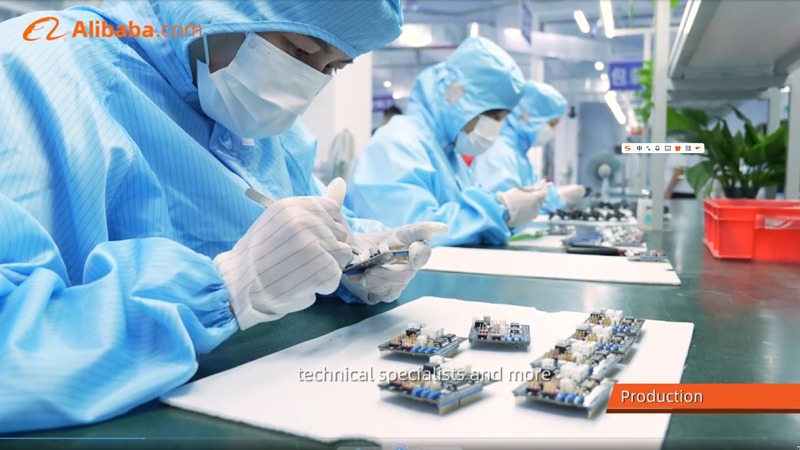
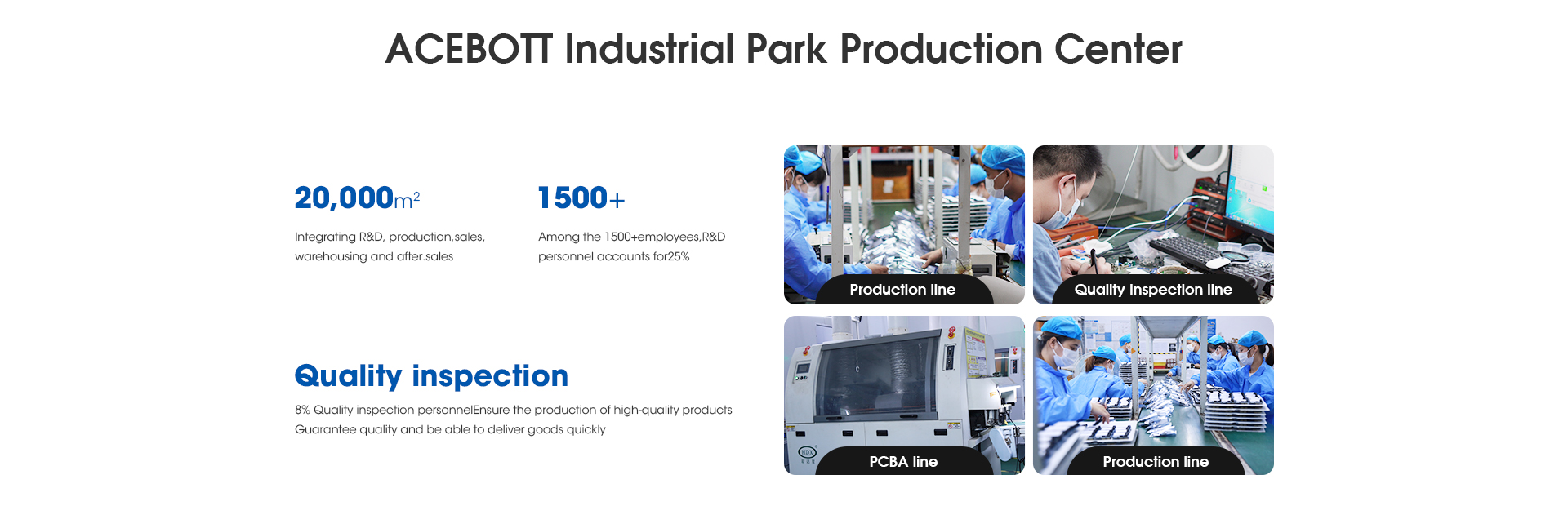
Every single PCB undergoes automated SMT paste inspection, optical reflow validation (AOI), and individual functional firmware flashing. Our strict Acceptable Quality Limit (AQL) of 0.2% exceeds typical consumer electronics benchmarks to satisfy Japanese institutional clients.
Agile Logistics: Tokyo & Osaka Direct DDP
We maintain streamlined export channels to major Japanese maritime hubs (Yokohama, Tokyo, Kobe, Osaka) and direct air freight via Narita and Kansai airports. We offer full DDP (Delivered Duty Paid) terms handling customs clearance, Japanese Consumption Tax (JCT), and documentation seamlessly.
Flexible Low-Volume Trial Runs (MOQ from 1 Set)
We appreciate the measured pace of Japanese procurement cycles. Importers can request sample assessment units from 1 piece for internal curriculum validation and board-of-education demonstration before committing to palletized commercial production runs.
Transparent JPY Financial Settlements
Minimize foreign exchange volatility. We accept settlements in Japanese Yen (JPY), US Dollars (USD), or Euros (EUR) through standard telegraphic transfer (T/T), irrevocable Letters of Credit (L/C), or secure commercial escrow facilities.
Comprehensive Pedagogical Toolkits
Every robotics kit ships with open-source sample code, circuit schematic schemata, and complete lesson plans structured for classroom delivery, minimizing curriculum development costs for training franchises and public educators.
Frequently Asked Questions by Japanese Importers
Technical, regulatory, and logistical clarifications for trade executives, distributors, and educational suppliers.
Do your ESP8266 Wi-Fi robotics kits possess TELEC (Giteki 技適) certification for commercial use in Japan? ▾
What are your minimum order quantities (MOQ) for custom private-label branding in Japan? ▾
Can your team adapt educational manuals into localized Japanese curricula? ▾
What are typical freight transit times to Tokyo and Osaka ports? ▾
How do you handle defective units or component replacements for Japanese clients? ▾
Are payment terms in Japanese Yen (JPY) supported to avoid exchange rate exposure? ▾
Partner with a Dedicated Robotics Manufacturer Serving Japan
Whether you are preparing a regional educational tender, stocking a national retail distribution network, or developing a custom STEM curriculum, our engineering team in Shenzhen is ready to provide configuration advice, quotation matrices, and evaluation samples.