Shenzhen Hardware Heritage
SMT & Assembly Floor Area
Verified Buyer Trade Score
Compliance with JIS & TELEC Specs
Integrated Hardware for Reachy Mini Wireless Deployments
Whether configuring desktop teleoperation, educational AI humanoids, or autonomous sensor nodes, our industrial-grade sensor blocks and power modules offer plug-and-play compatibility with ESP32 and Arduino toolchains across the Tokyo robotics corridor.
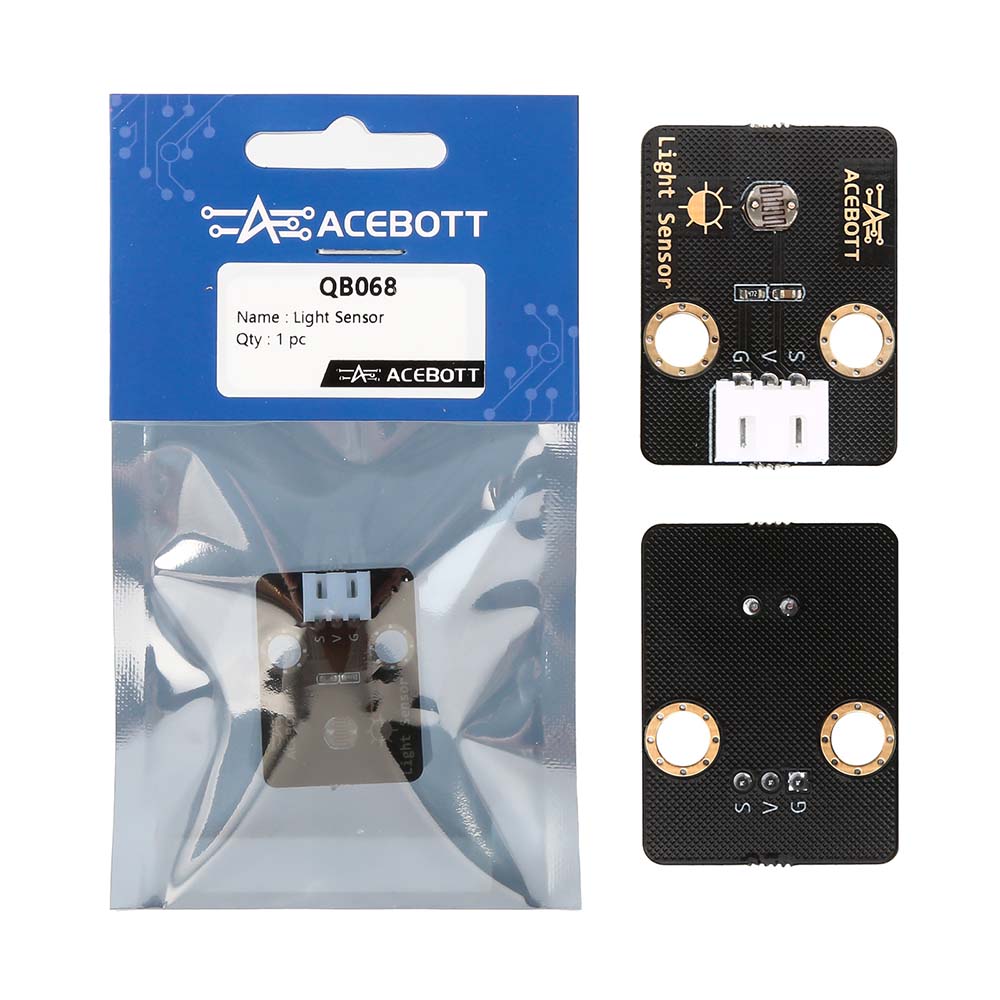
ACEBOTT Photosensitive Photoresistor Light Sensor Optical Module
Essential ambient luminance sensing for humanoid gaze reaction, adaptive screen backlighting, and environmental perception algorithms in smart robotic platforms.

ACEBOTT 7.4V Embedded Solar Power Management Charging Module
Equips mobile rovers and wireless humanoid pedestals with continuous renewable energy harvesting and regulated dual-cell battery management circuitry.
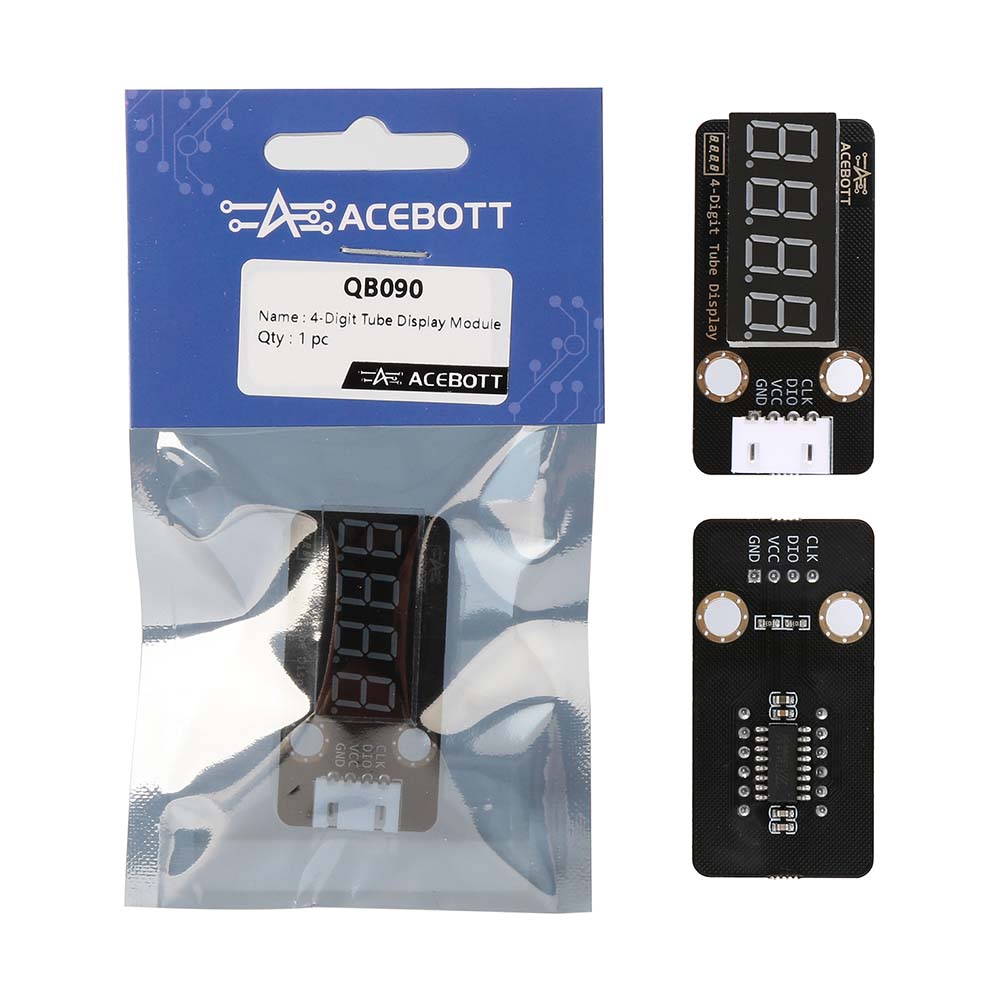
ACEBOTT 0.36-inch 4-Digit Digital Tube LED Display Module
Compact numerical indicator for live robotic telemetry, battery state of charge (SoC), and real-time WiFi latency monitoring in autonomous installations.
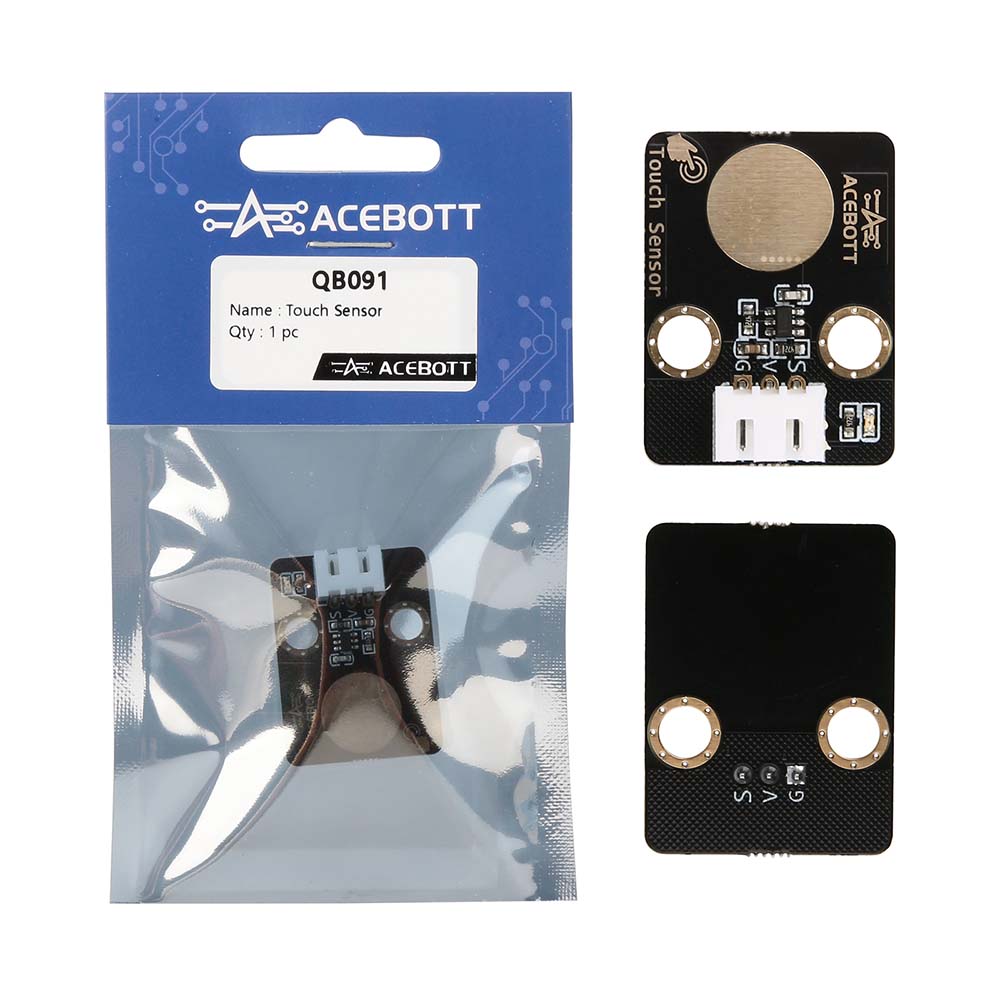
ACEBOTT TTP223B Capacitive Touch Switch Sensor Module
Wear-free touch actuation ideal for human-robot physical interaction, touch-sensitive robotic skin segments, and silent capacitive trigger consoles.
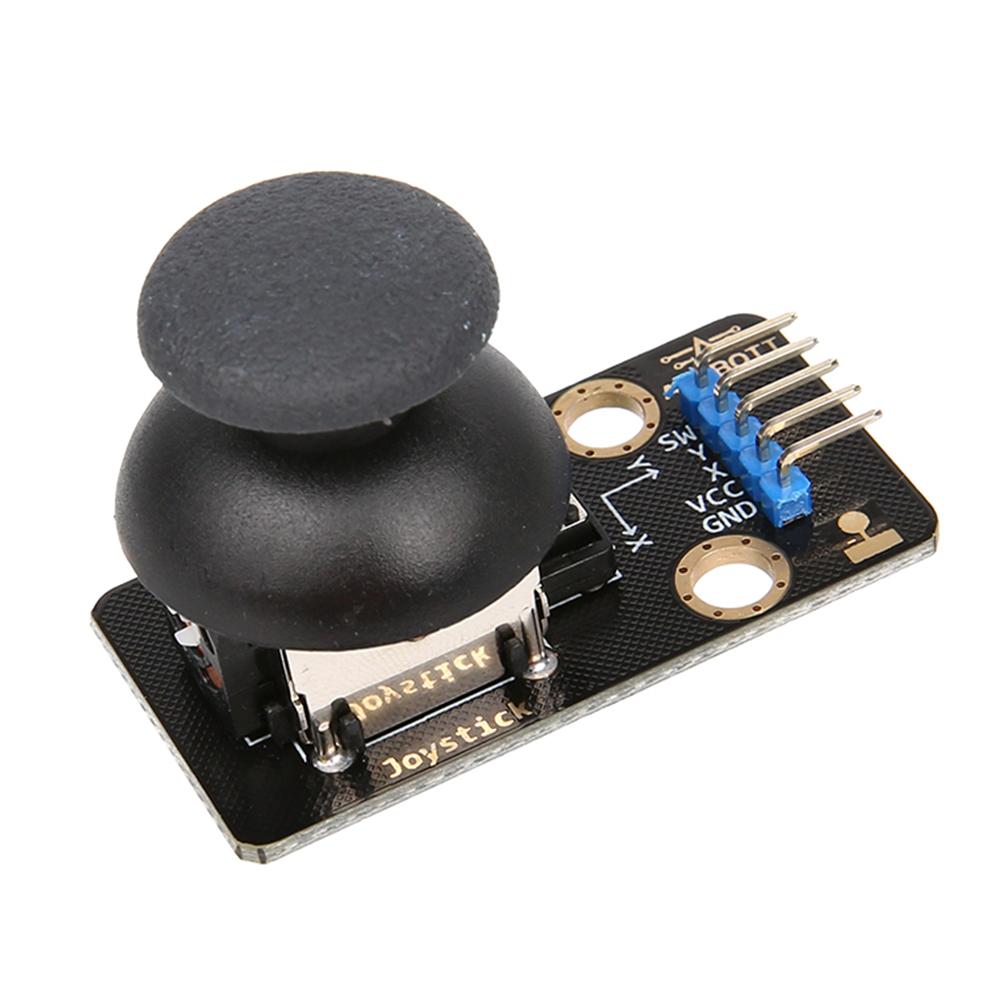
ACEBOTT PS2 Dual-Axis Game Joystick & Button Module
Precision multi-axis teleoperation control for robotic head pan-tilt, inverse kinematic arms, and manual override consoles across university labs.
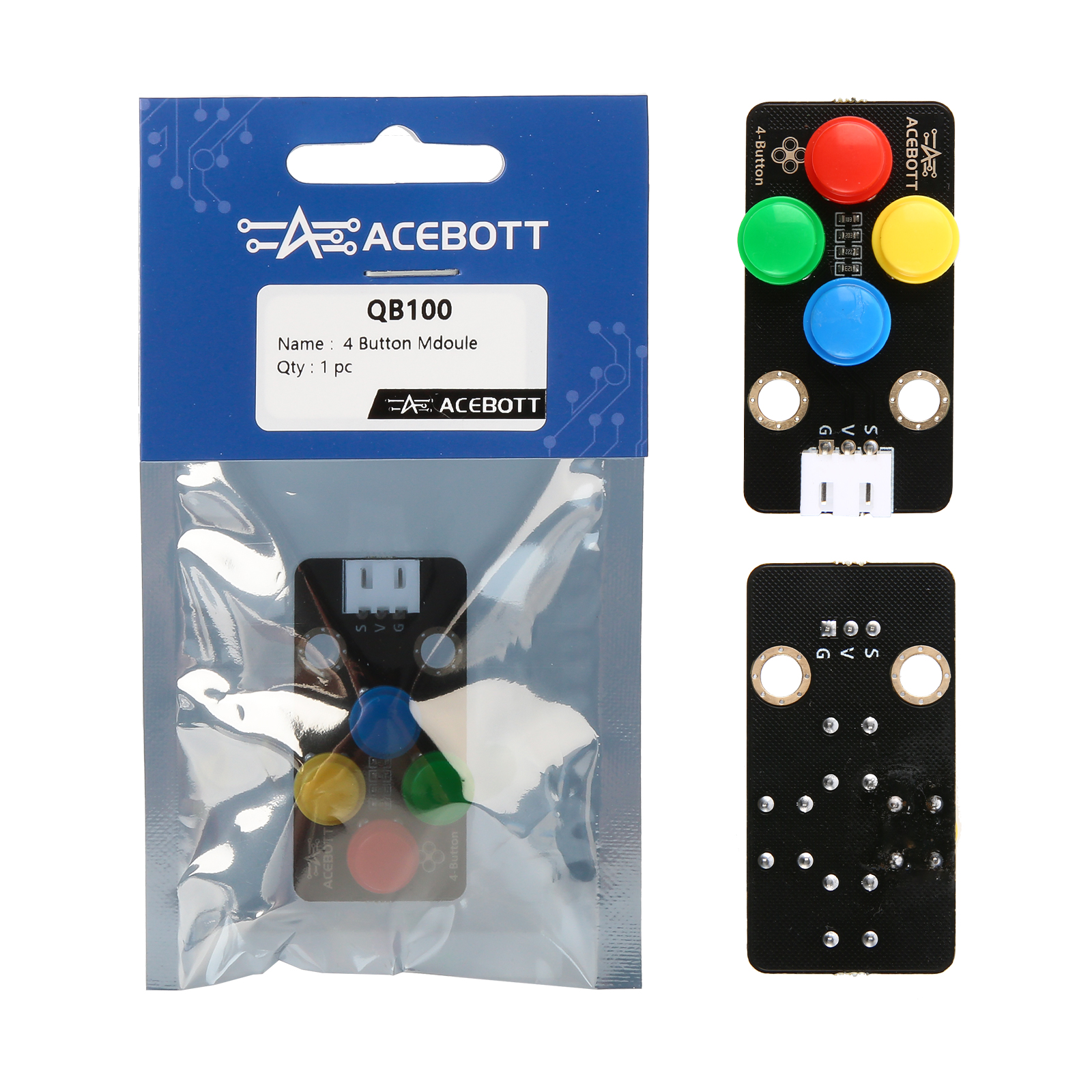
ACEBOTT 4-Button Large Tactile Analog Resistance Module
Decodes 4 independent mechanical triggers over a single analog input channel, conserving precious GPIO pins for Wi-Fi, servos, and camera busses.
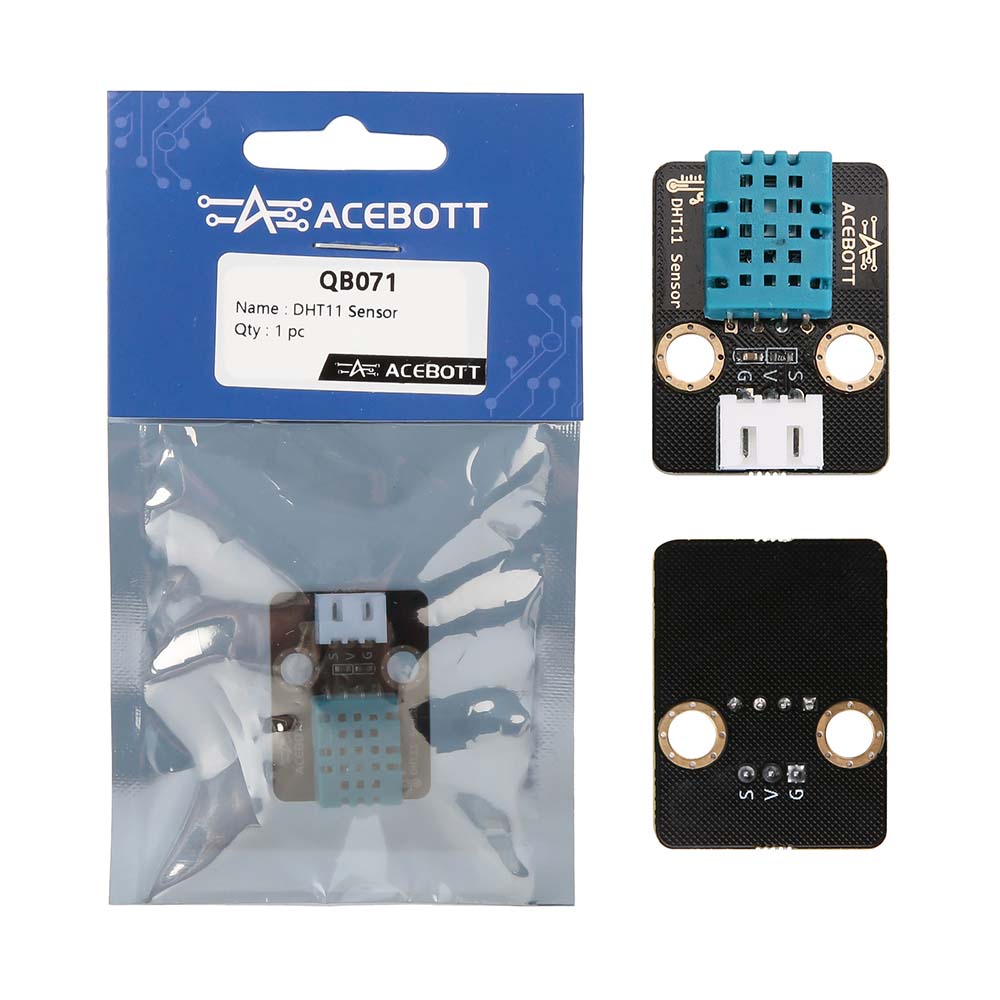
ACEBOTT DHT11 Digital Temperature & Humidity Sensor Module
Monitors onboard controller enclosure thermodynamics and localized environmental climate variables for indoor service robots in Tokyo facilities.
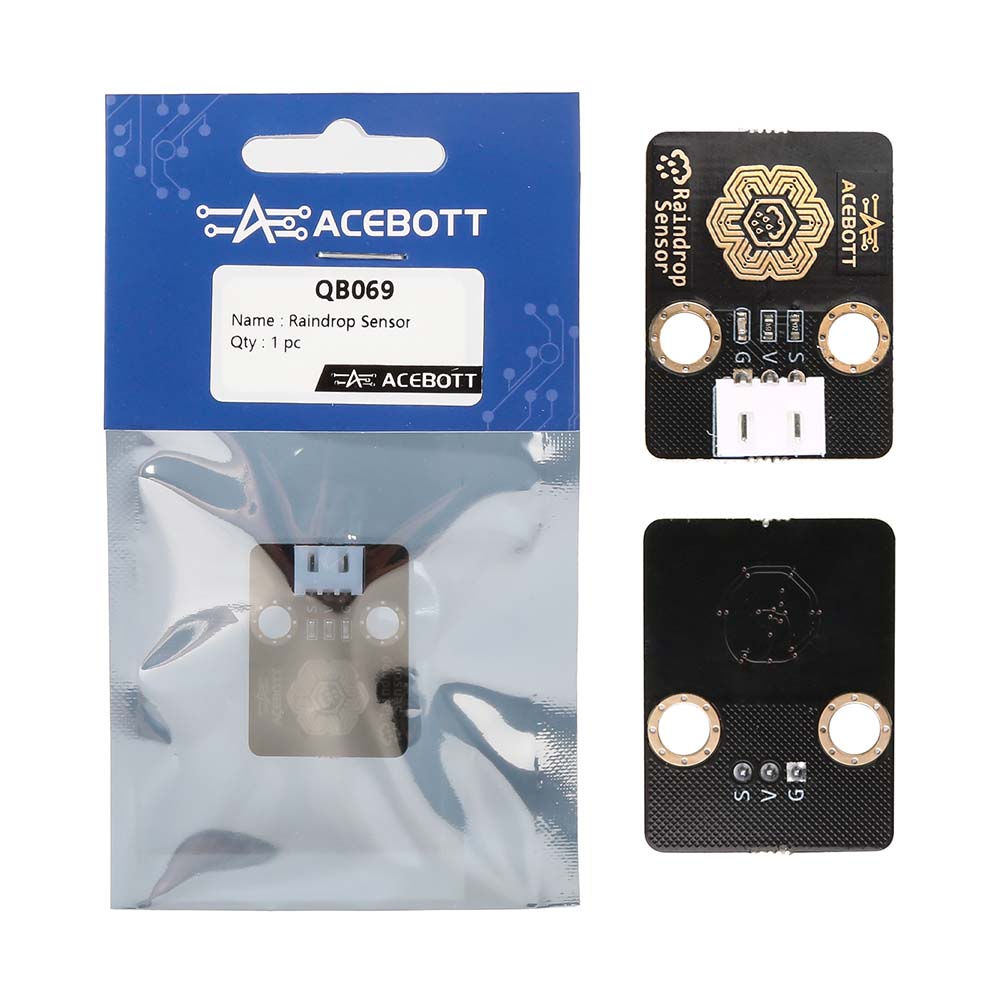
ACEBOTT Raindrop Vapor & Steam Sensor Module for Arduino
High-sensitivity moisture and condensation tracking designed for robotic safety interlocks, outdoor patio robots, and automated climate testing rigs.
Engineering the Reachy Mini Wireless for Demanding Japanese Ecosystems
The Tokyo robotics ecosystem represents one of the world's most rigorous testing environments for compact, expressive desktop humanoids. As institutions transition from bulky tethered servomotors to agile, wireless edge platforms, the reachy mini wireless architecture emerges as a benchmark for educational institutions, enterprise incubators, and human-robot interaction (HRI) laboratories across Otemachi, Shibuya, and Tsukuba Science City.
By migrating telemetry and motor commands to ultra-low-latency ESP32 Wi-Fi (802.11 b/g/n) and Bluetooth Low Energy (BLE 5.0) backbones, hardware designers eliminate dragging harness cables that typically disrupt desktop kinematics. When coupled with our modular sensor array—such as the ACEBOTT TTP223B capacitive touch modules embedded in tactile end-effectors, or the single-bus PS2 dual-axis joysticks for intuitive remote teleoperation—the robot achieves full-degree-of-freedom autonomy.
Furthermore, Japanese procurement demands unwavering electromagnetic compatibility (EMC) and strict adherence to the Japanese Industrial Standards (JIS). Our direct factory engineering guarantees unified 3.3V logic translation across all sensor rails, onboard decoupling capacitors to isolate high-frequency servo noise, and RoHS-compliant soldering lines that sail through Tokyo customs inspection channels.

How Tokyo's Innovators Utilize Reachy Mini Wireless
From prestigious academic laboratories in Hongo to high-tech retail pilots in Ginza, our open-architecture robotics platform integrates seamlessly into high-density Japanese technical workflows.
University Research Laboratories
Institutions such as the University of Tokyo, Tokyo Institute of Technology, and Waseda University utilize the reachy mini wireless for Human-Robot Interaction (HRI) studies, non-verbal social cue evaluation, and distributed ROS2 edge telepresence nodes. The multi-sensor header allows immediate incorporation of DHT11 environmental feedback and capacitive touch responses.
Advanced STEAM & Coding Academies
Tokyo secondary schools and private coding academies in Shinjuku and Minato embrace our Arduino and Scratch 3.0 compatible architecture. By eliminating messy trailing cords, students safely operate desktop humanoid arms and vision tracking head-assemblies directly over local classroom Wi-Fi mesh networks without tripping hazards.
Automated Corporate Receptionists
Startups and enterprise innovation hubs in Shibuya utilize reachy mini wireless as an expressive, automated receptionist. Interfacing via wireless REST APIs to Japanese conversational LLMs, the robot greets visitors, acknowledges arrivals via light and touch sensors, and provides dynamic facial gestures to break social barriers.
Senior Care & Cognitive Stimulation
In response to Japan's super-aged society, Tokyo eldercare pilot programs in Setagaya leverage the expressive, non-threatening form factor of the mini desktop robot for guided cognitive exercises, tele-rehabilitation monitoring, and remote family video check-ins powered by 7.4V battery management circuits.
Rapid Prototyping & FabLabs
Makerspaces and independent R&D studios across Akihabara and Ota Ward use our standard pin-out electronic building blocks and modular mounting plates to prototype novel end-effectors, mobile rover docking pedestals, and vision-integrated smart sorting systems within rapid 48-hour turnarounds.
Interactive Point of Sale (PoS)
Flagship retail storefronts in Ginza and Omotesando implement gesture-driven desktop robots to attract foot traffic, physically demonstrate delicate cosmetic dispensers or luxury accessories, and report shopper engagement metrics to cloud analytics dashboards in real time.
Macro Robotics Trends Shaping the Tokyo Market
Aligning product engineering with national development mandates: Why modular wireless robotics platforms are seeing accelerated adoption across the Japanese archipelago.
Society 5.0 Realization
Japan's national vision integrates cyberspace with physical space. Wireless desktop robots bridge cloud AI models with tactile physical actuation, creating tangible edge endpoints for municipal and industrial automation pilots.
Elimination of Wire Harnesses
High-density Tokyo labs suffer from severe desk space constraints. Wireless low-latency protocols free educators and researchers from tethered PC umbilicals, enabling clean, multi-agent robotic collaboration on shared benchtops.
Transition to Python & ROS2
Japanese educational guidelines have pivoted from isolated block coding to real-world industrial frameworks. Our ESP32 and micro-ROS native firmware bridges beginner Scratch 3.0 blocks with professional ROS2 robotic stacks effortlessly.
Green Hardware & Battery Longevity
With corporate ESG priorities paramount in Tokyo, energy-efficient microcontrollers, low-power standby modes, and solar-rechargeable 7.4V battery topologies provide competitive leverage during public municipal tenders.
End-to-End Factory Capabilities Direct from Shenzhen
We are not a middle trading broker; we are an engineering-driven manufacturer with direct control over BOM lines, surface mount technology (SMT), structural tooling, and firmware packaging.
10+ Years Dedicated Hardware R&D
Rooted in Shenzhen's Bao'an and Tairan tech hubs since 2013, our 150+ staff encompass mechanical engineers, PCB layout specialists, and international curriculum authors dedicated strictly to robotics and embedded electronics.
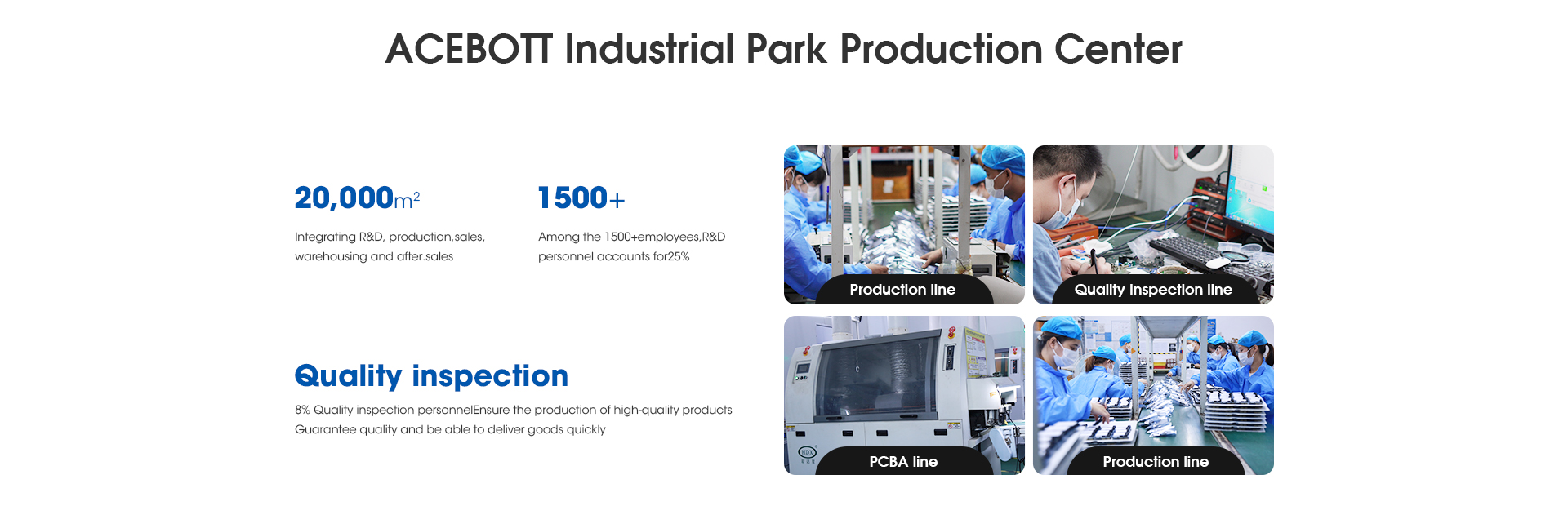
3,000–5,000 m² Modern Production Line
Equipped with high-speed automated pick-and-place lines, lead-free reflow ovens, and strict multi-stage QA testing rigs. Every batch undergoes 100% functional burn-in and servo stress validation before export packing.
Onsite Alibaba Verified & 4.8 Rating
Our operational premises, cleanroom facilities, and financial solidity have passed rigorous onsite inspections on Alibaba.com. With a verified 4.8/5.0 buyer satisfaction score, we represent a low-risk, trusted supply partner.
Complete Japanese Localization (OEM/ODM)
From customized silk-screened logos in Japanese Katakana/Kanji to localized user instruction manuals, custom blister or foam packaging, and modified servo torque specs, we tailor the complete unboxing experience.
Agile MOQ & Express Tokyo Shipping
We accept sample evaluations starting from 1 unit. Regular consolidated air cargo shipments reach Tokyo Narita or Haneda within 48 to 72 hours, backed by full DDP, FOB, and CIF international commercial trade terms.
Bilingual Engineering Support
Never deal with communication delays. Our dedicated overseas B2B engineering group offers direct schematics sharing, code repository access on GitHub, and video call debugging for education boards and corporate buyers.

Frequently Asked Questions by Japanese Buyers
Clear, direct answers regarding certifications, customs clearances, Japanese documentation, and minimum order terms.
Our reachy mini wireless and modular IoT kits utilize ESP32/ESP8266 radio modules that carry pre-certified TELEC certificate IDs, or we can integrate your designated pre-certified RF micro-modules. For large custom ODM designs, our team coordinates with accredited testing bodies to secure full technical standard conformity marking.
Yes. We offer fully localized Japanese documentation, including assembly schematics, Scratch 3.0 visual programming tutorials, and sample Arduino C++ code libraries. For school distributors, we provide editable white-label files to integrate directly into your proprietary curricula.
For sample kits and pilot trial orders (1–50 units), express air carriers (DHL, FedEx, SF International) typically deliver to Tokyo within 3 to 5 business days. For containerized commercial volume (FCL/LCL), sea freight from Shenzhen/Yantian port to Tokyo or Yokohama port takes approximately 5 to 8 shipping days.
We support international wire transfers (T/T), Letters of Credit (L/C), PayPal, and Credit Cards. We comfortably bill in Japanese Yen (JPY) as well as USD, EUR, and HKD, simplifying import accounting for Japanese corporations and universities.
All circuit boards, sensor modules, and servo harnesses are manufactured using lead-free, RoHS-compliant components and flame-retardant FR-4 PCB materials. Full material declarations, SDS sheets, and declarations of conformity are provided upon dispatch.
Standard off-the-shelf development kits have an MOQ of just 1 piece for evaluation. Custom silk-screen branding and custom cardboard box packaging begin at an accessible threshold of 100 to 500 units, making it effortless for regional Japanese educational brands to establish their own lines.
Establish Your Direct Factory Robotics Channel in Tokyo
Accelerate your STEM product launch, equip your university robotics laboratory, or request a complete OEM/ODM price matrix customized for the Japanese market. Our Shenzhen engineering team is ready to consult.