Precision Hardware Building Blocks for Reachy Mini AI Workflows
Deploy scalable sensory perception, tactile interaction matrices, atmospheric monitoring, and real-time telemetry with factory-direct OEM/ODM modules compatible with ESP32, Arduino, and Hugging Face Space agent nodes.

ACEBOTT ODM Analog Output Signal 3.3V~5V Robotics Smart Vehicle Electronic Component 3 Channel GPS Tracking Module for Arduino
High-precision tri-channel spatial coordinate tracking array ideal for geo-aware autonomous desk robotics and Hugging Face agent localization.
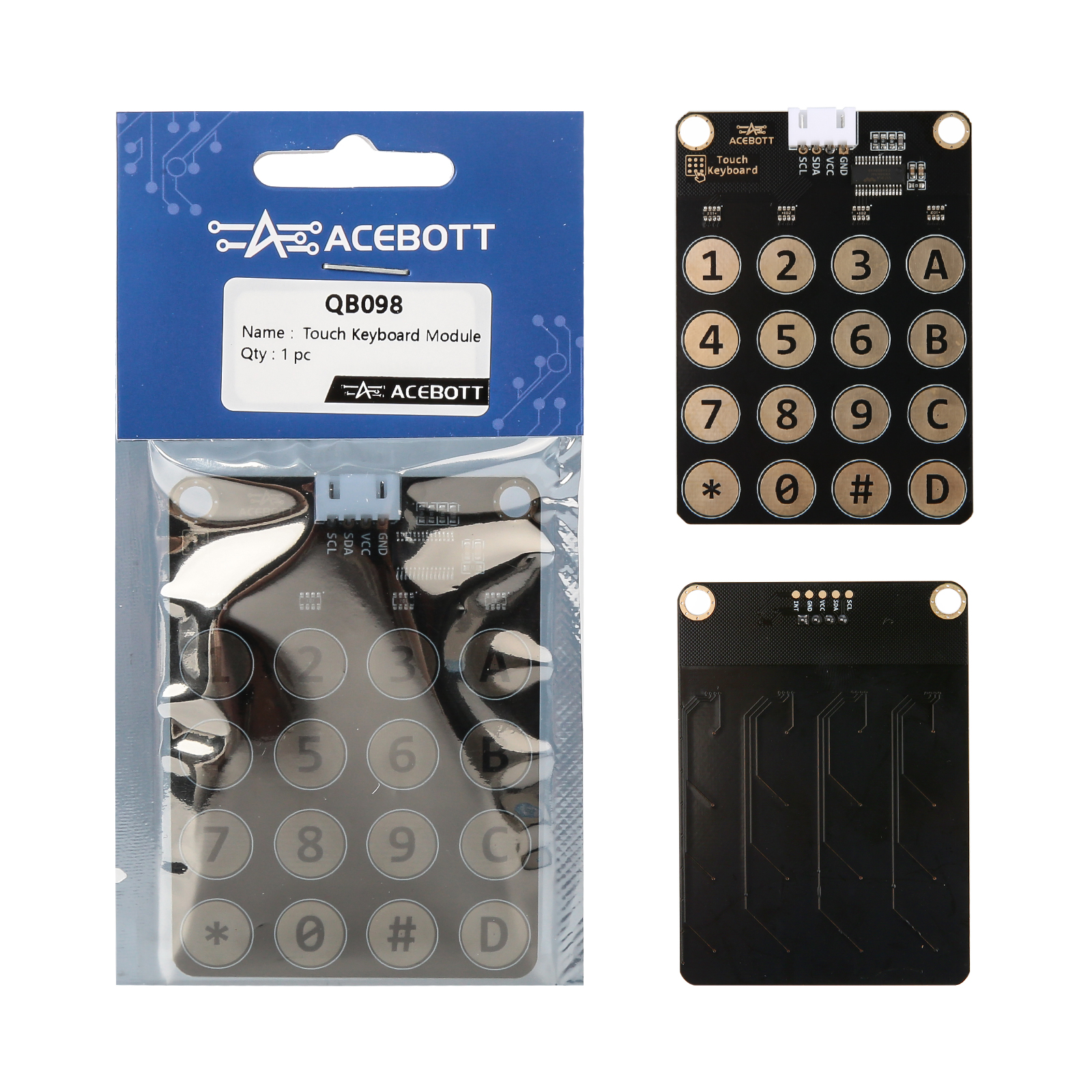
ACEBOTT New Large Button Large Capacitive Touch 4*4 Matrix Array Keypad Membrane Switch Module for Compatible With ESP32/Arduino
Industrial capacitive touch matrix allowing physical manual override, parameter tuning, and direct intent triggers for local Reachy Mini behavioral scripts.
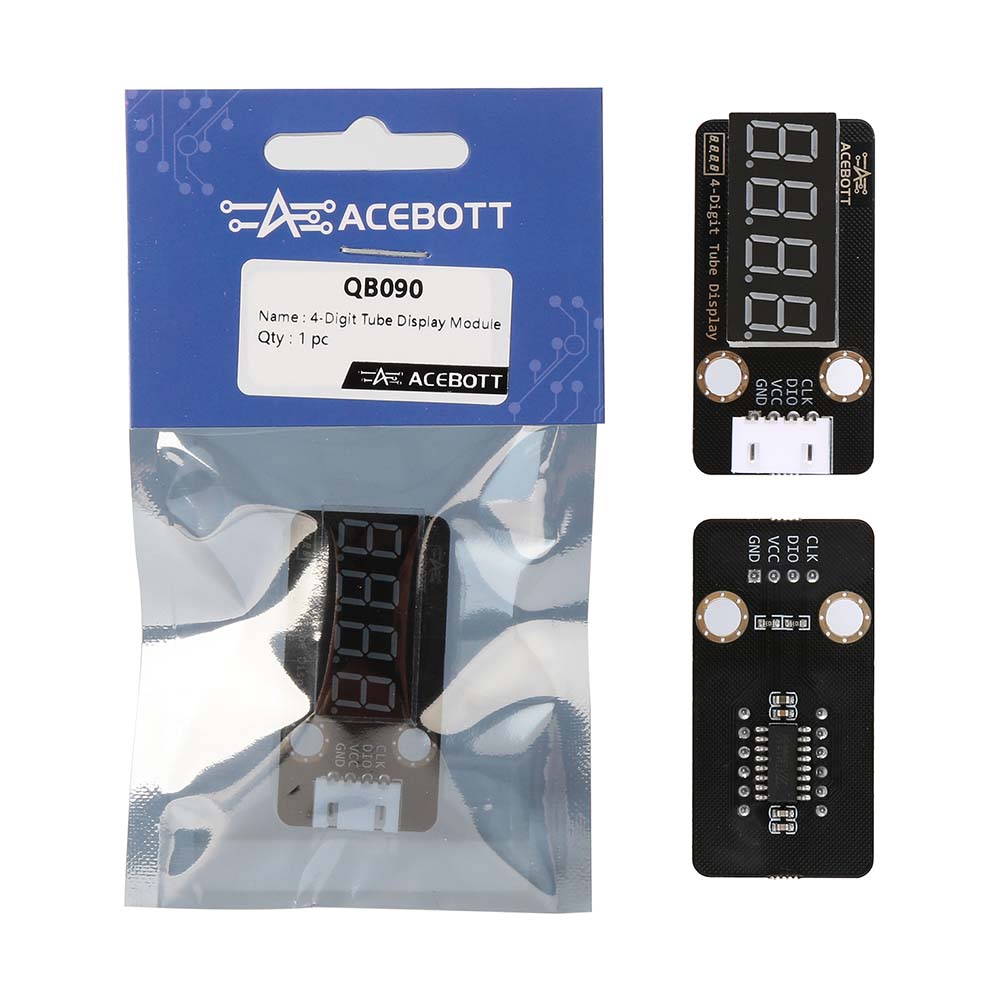
ACEBOTT OEM/ODM 0.36inch Electronic Component 4-Digit Digital Tube Display Module Red LED Display for Arduino Numerical Displays
High-visibility digital tube readout for rapid hardware debugging, token usage counters, inference latency readout, and edge error codes.
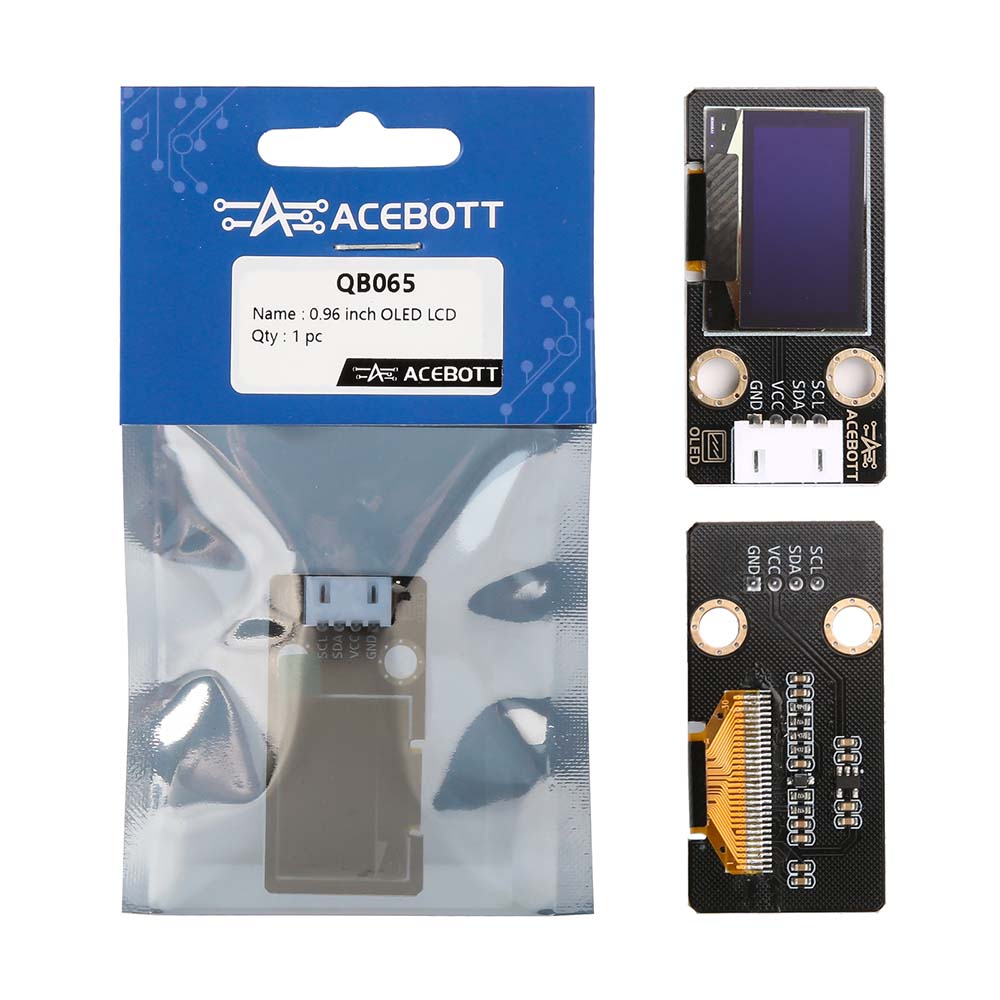
ACEBOTT China PMoled IIC SSD1306 Chip 128X64 0.96Inch Organic Laser Display OLED LCD Modules with White Backlight for Arduino
Ultra-crisp graphical PMOLED unit widely engineered into humanoid ocular assemblies, dynamic emotion avatars, and interactive robotic face rendering.

ACEBOTT 12X12mm Big Key Light Touch Switch Module OEM/ODM Hat High Level Output for Arduino Switches Product Category
Tactile macro tactile button module engineered for emergency system stops, edge resets, and physical input triggering in robotics proof-of-concepts.

ACEBOTT 3.3V~5V Operating Voltage 625nm 470nm 530nm Digital Signal Electronic Component RGB Full-Color LED Module for Arduino
Calibrated chromatic tri-color LED array delivering immediate optical feedback on cloud LLM thinking states, API socket connectivity, and servo alarms.
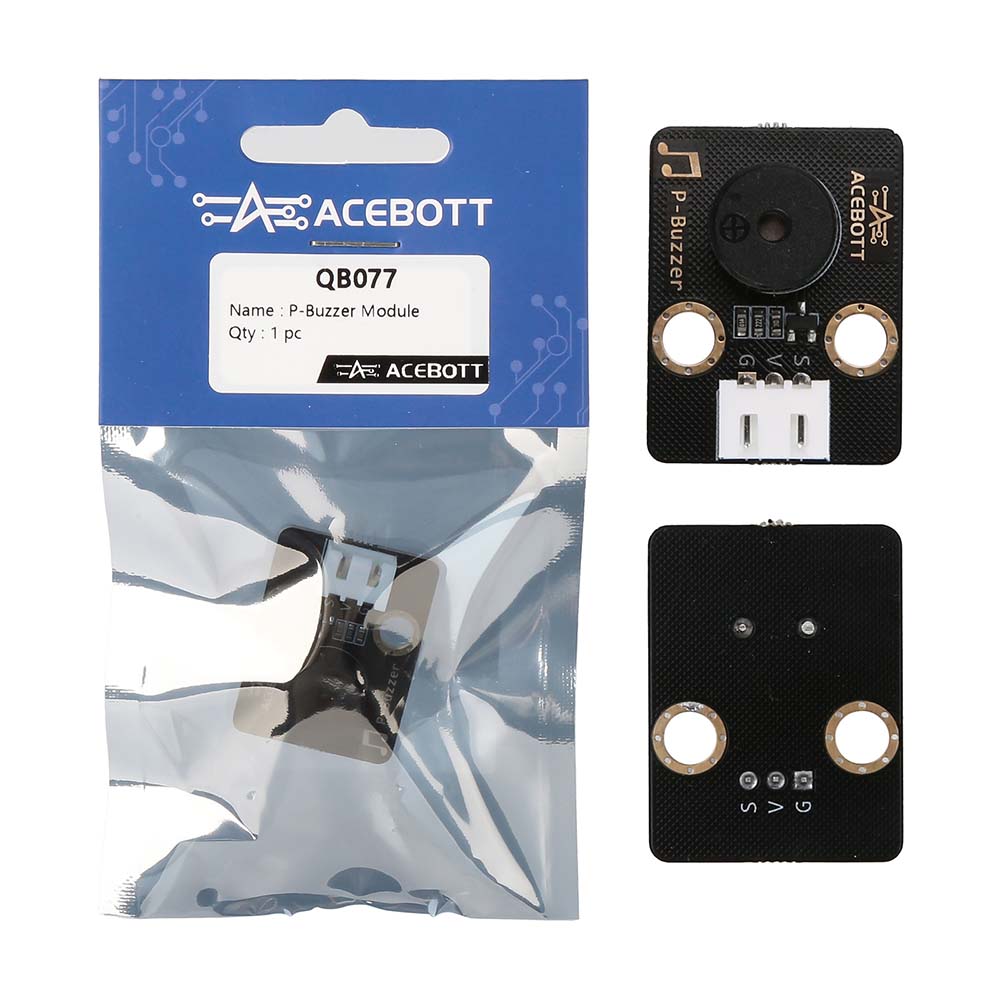
ACEBOTT China Made Digital Signal High Level Electronic Component Module Alarm Buzzers Sirens Passive Buzzer Module for Arduino
Programmable frequency acoustic transducer for synthesizing non-verbal robotic personality chirps, frequency beeps, and auditory notification events.
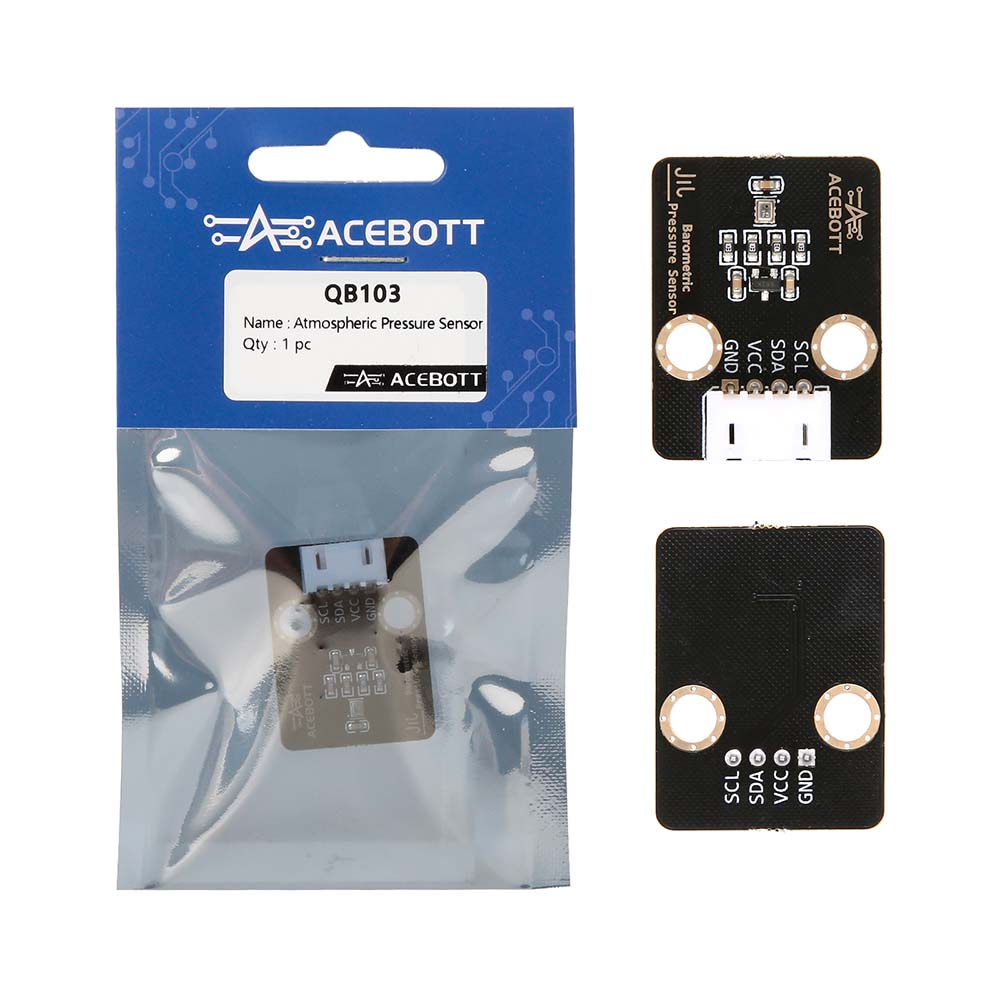
ACEBOTT High Precision Integrated Electronic Component BMP280 Chip Barometric Pressure Sensor for Arduino Weather Station Kit
Sub-meter vertical atmospheric altitude and pressure tracking sensor module, supplying ambient physics variables directly to Hugging Face Spaces reasoning apps.
Architectural Blueprint: Bridging Cloud AI Workflows to Physical Reachy Mini Hardware
The rapid convergence of cloud-hosted foundation models and desktop interactive robotics has redefined commercial ed-tech, enterprise reception kiosks, and laboratory research. The Reachy Mini platform, originally inspired by open biomimetic robotics architectures, represents a pivotal leap toward accessible embodied intelligence. However, the quintessential bottleneck facing system integrators and distributors has never been software algorithms; it is the hardware manufacturing integrity, low-latency micro-controller bridging, and Bill of Materials (BOM) optimization.
Physical Embodiment Meets Hugging Face Spaces
Hugging Face Spaces—powered by Gradio, Streamlit, and FastAPI containers—serves as the default operating repository for multimodal Vision-Language-Action (VLA) models, LeRobot training checkpoints, Whisper voice transcription engines, and Bark speech synthesis pipelines. When deploying a physical robot such as Reachy Mini, an edge computing bridge must translate high-dimensional neural representations into deterministic micro-second pulse-width modulation (PWM) commands, bus communication frames, and sensor feedback loops.
As Shenzhen's specialized OEM/ODM hardware factory, our role is engineering the physical carrier substrate: supplying ESP32 multi-bus controller nodes, calibrated digital-analog sub-modules, and robust power delivery boards capable of sustaining the dynamic instantaneous current spikes required by multi-axis high-torque digital bus servos.
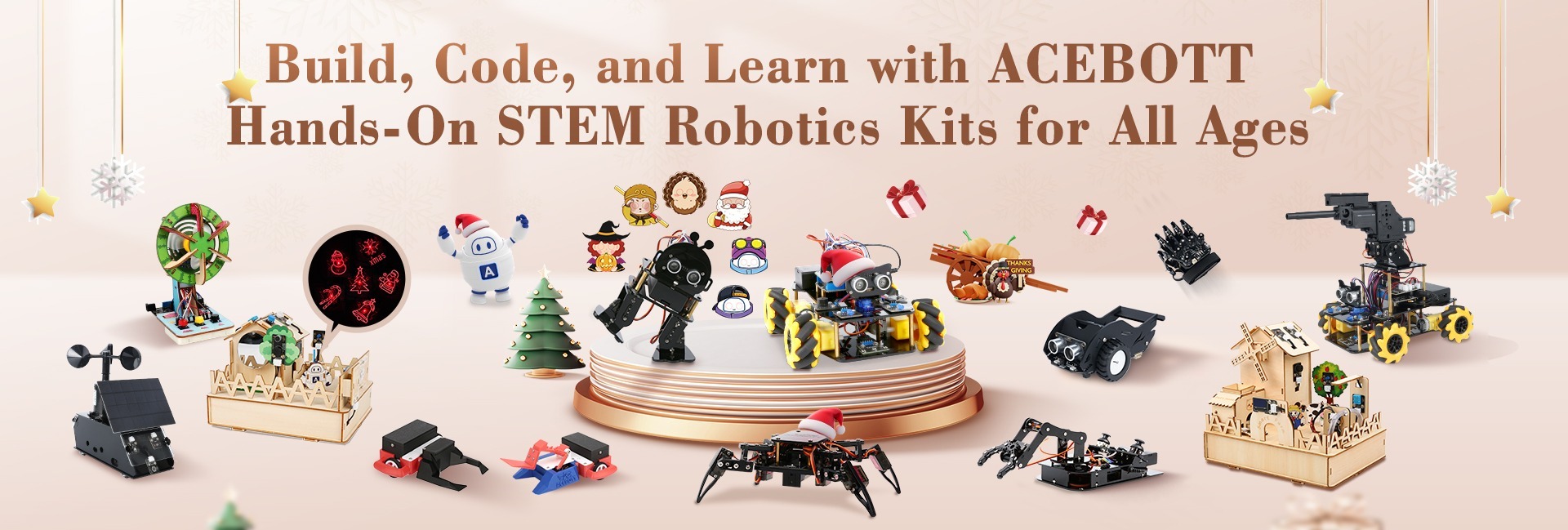
Telemetry, Sensory Arrays, and Microcontroller Topology
A resilient Reachy Mini installation cannot rely solely on a USB web camera and audio input. Real-world physical interaction mandates deep sensor fusion:
Ocular Expression & UI Feedback
Deploying calibrated 0.96-inch I2C SSD1306 OLED displays inside the robot's head structure provides dynamic visual ocular feedback, rendering algorithmic emotional changes (curiosity, sleeping, processing) commanded by the Hugging Face reasoning loop.
Environmental Boundary Perception
Integrating the high-precision BMP280 barometric atmospheric pressure sensor enables the robot to detect altitude fluctuations, micro-draft changes, and indoor climate variances, acting as contextual features for localized Hugging Face Space agent workflows.
Deterministic Tactile Telemetry
When operating in public exhibitions or classroom environments, cloud connectivity can drop. Hardware-level tactile matrices (such as our 4x4 capacitive touch membrane) guarantee failsafe manual interaction routines and physical token authentication.
Shenzhen Reachybott: Full-Stack Contract Manufacturing & Wholesale Advantage
Choosing an overseas manufacturing partner requires moving past marketing brokers and securing a verified physical production factory. Shenzhen Reachybott Co., Ltd. (operating from Tairan Technology Park and production workshops in Shenzhen) bridges the gap between digital AI code repositories and high-volume commercial production.
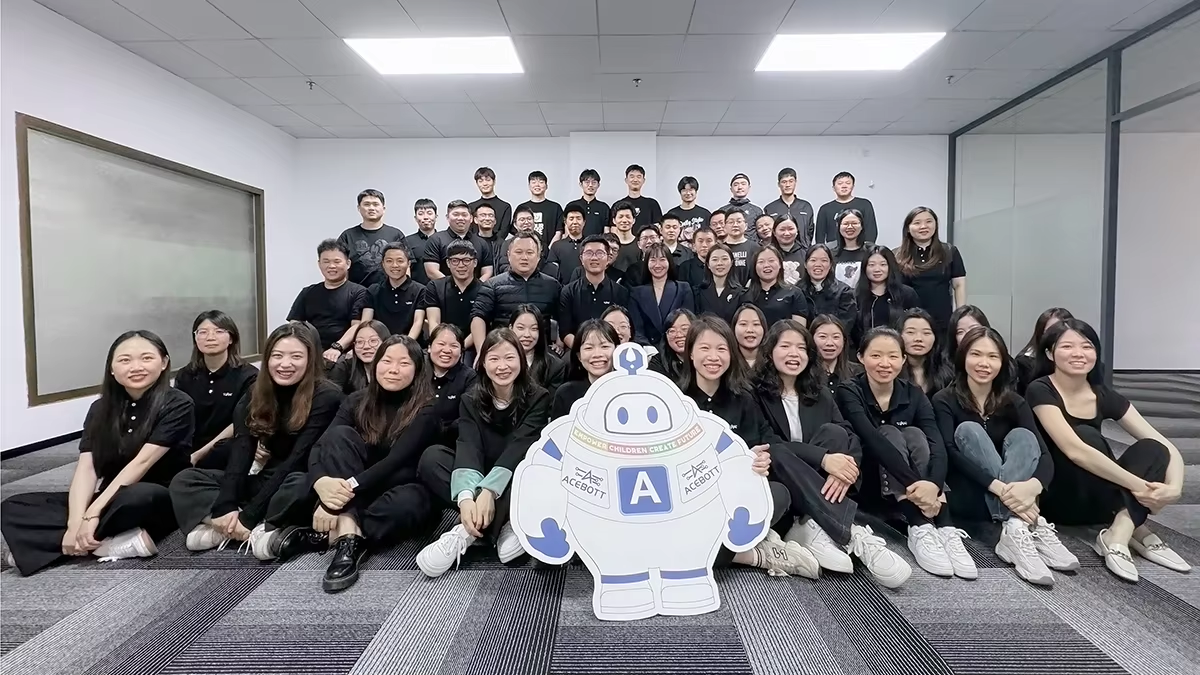
Onsite-Verified Factory Infrastructure
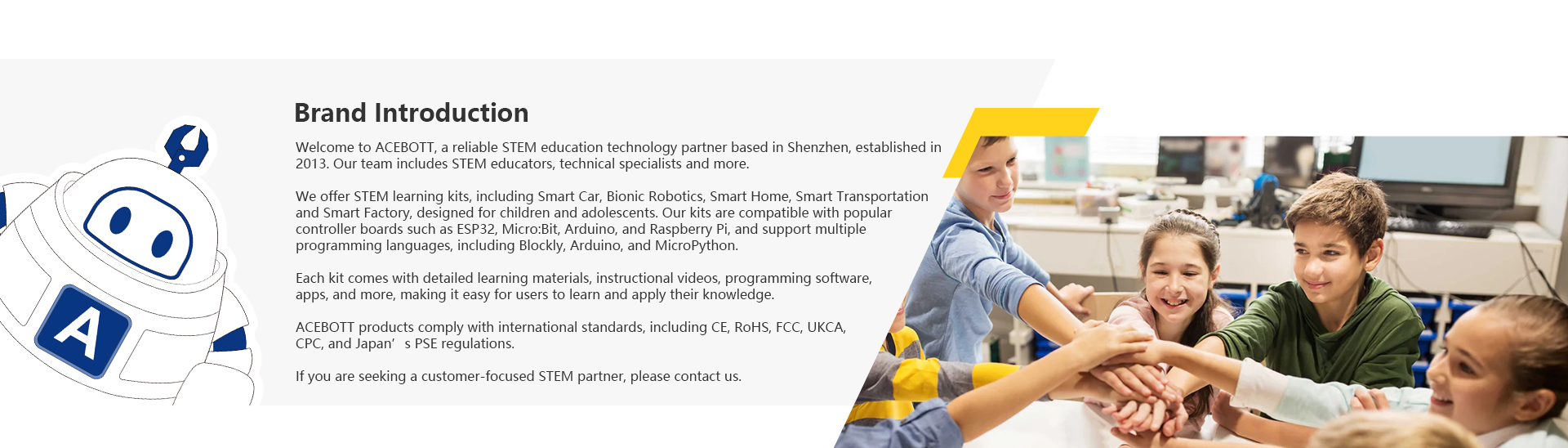
Our production facilities maintain comprehensive compliance with international electronics standards. Having undergone strict physical on-site checks by independent auditing bodies on global B2B trade platforms, our facility offers verifiable integrity:
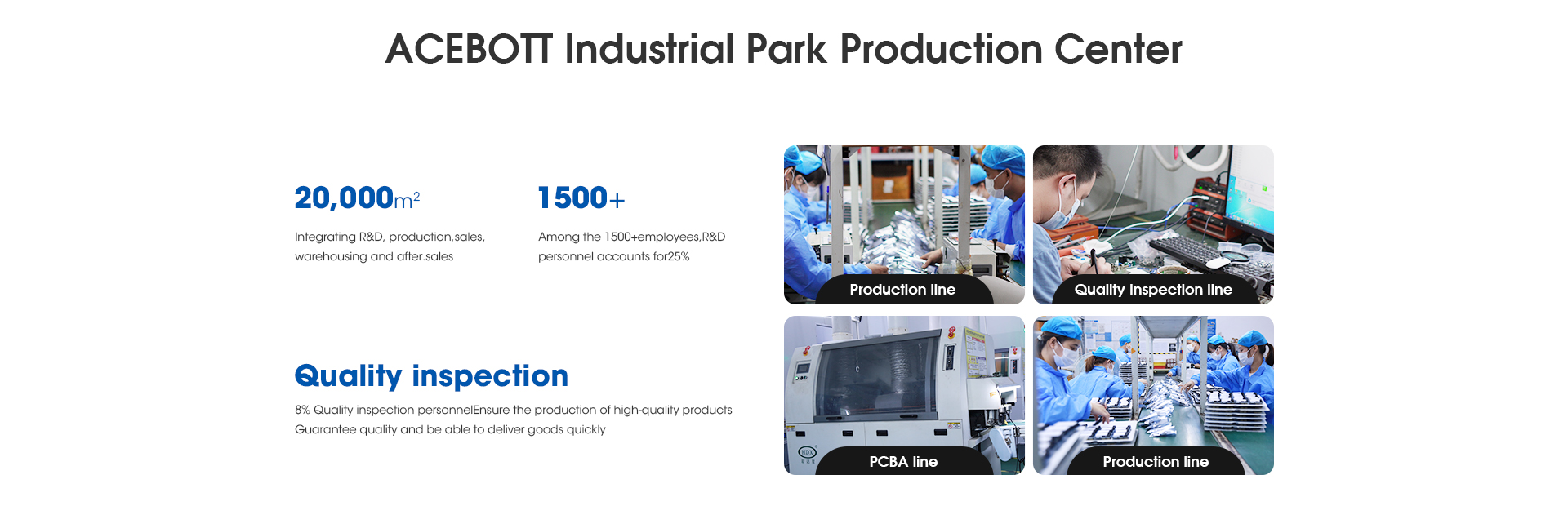
- ✓ Over 3,000 m² dedicated cleanroom SMT surface mounting, mechanical testing, and packaging lines.
- ✓ 150+ Skilled Employees: In-house structural CAD designers, firmware engineers, embedded PCB layout specialists, and bilingual QC inspectors.
- ✓ Total Quality Control (TQC): 100% burn-in testing on motor drivers, electrical oscillation isolation, and structural load simulation prior to export dispatch.

Why Tier-1 B2B Importers Partner Directly With Our Factory
Overseas educational chains, robotics kit brands, and research institutions face massive risk when dealing with non-manufacturing intermediaries. Reachybott provides a direct manufacturing pipeline characterized by:
Rapid Tooling & Prototyping
Situated in Shenzhen's core supply chain epicenter, we execute mechanical injection modifications, 3D printing iterations, and custom PCB spin-offs in as few as 7 business days.
Comprehensive Compliance
Full CE, FCC, RoHS, and REACH verification on all sub-assemblies, guaranteeing streamlined customs clearance across North American, European Union, and South American ports.
White-Label Curriculum & Manuals
We do not merely supply raw hardware. We deliver turnkey localized English instructional guides, Arduino/ESP32 source code, and step-by-step Hugging Face Spaces connection tutorials.
Technological Horizons: What is Next for Physical AI & Desktop Robotics (2025–2030)
As an engineering-driven factory, we closely analyze emergent architectural shifts within the open-source machine learning landscape. Global distributors looking to capture market share over the next five years must prepare their product catalogs for four inevitable industry transitions:
1. Shift from Rule-Based Kinematics to LeRobot Imitation Learning
Traditional desk robotics relied heavily on inverse kinematics (IK) solvers written in C++ or Python to calculate joint angles. Hugging Face's active development of the LeRobot library is democratizing state-of-the-art imitation learning (such as Diffusion Policy and ACT - Action Chunking with Transformers). Next-generation Reachy Mini assemblies require higher precision magnetic absolute encoders on all joints, providing continuous teleoperation data collection that can be directly piped into Hugging Face training datasets.
2. On-Device Edge Quantization via Dual ESP32-P4 and NPU SoCs
While large language models will continue running on remote GPU clusters or Hugging Face cloud containers, basic wake-word detection, face tracking, and safety cutoff heuristics are moving directly to the silicon edge. The adoption of advanced high-performance microcontrollers (such as the dual-core RISC-V ESP32-P4 with integrated AI vector instructions) enables desktop robots to run quantized INT8 computer vision models locally, dramatically reducing cloud API consumption costs for institutional users.
3. Standardized Plug-and-Play Sensor Bus Interfaces
The era of spaghetti breadboard wiring in commercial STEM kits has concluded. Enterprise buyers increasingly demand unified, keyed 4-pin/5-pin anti-reverse connectors (such as Grove or Qwiic compatible I2C busses). Modules such as our OLED displays, BMP280 sensors, and RGB indicators are now delivered on unified form factors, preventing inverted polarity damage during educational laboratory sessions.
| Feature Category | Legacy Desktop Kits (2020-2023) | Current Reachy Mini Era (2024-2026) | Next-Gen Embodied AI Nodes (2027+) |
|---|---|---|---|
| Primary Compute | 8-bit Arduino AVR / Basic ESP8266 | ESP32 Dual-Core (Wi-Fi/BLE) + Cloud Host | RISC-V Dual-Core NPU Edge + Distributed VLA Models |
| AI Framework | Static Rule Logic / Basic OpenCV | Hugging Face Spaces (Gradio / Streamlit Apps) | Full LeRobot Imitation Learning & WebRTC Tele-operation |
| Actuator Feedback | Analog PWM (Open Loop Servos) | Digital Serial Bus Servos (Half-Duplex TTL) | Brushless Field Oriented Control (FOC) with Absolute Magnetic Feedback |
| HMI Interaction | Simple Pushbuttons & Buzzers | PMOLED Facial Animation & RGB Status Arrays | Integrated Audio-Visual Array with Spatial Voice Localization |
| B2B Supply Status | Fragmented Commodity Components | Modular OEM Bundles | Turnkey White-Label Commercial Platforms |
Procurement Insights for International Wholesalers & Educational Distributors
Procuring micro-robotics and physical AI kits from China demands a clear understanding of supply chain variables, total landed costs, and customization parameters. Global importers face heightened scrutiny regarding curriculum relevance and hardware longevity.
Strategic Bulk Sourcing Strategies
When purchasing Reachy Mini sub-systems and electronic accessories, leading overseas clients utilize a phased procurement model:
1. Sample & Validation Phase (1–10 Units): Verification of hardware tolerance, firmware stability with local Hugging Face Spaces instances, and drop-test packaging verification.
2. Pilot Customization Run (100–500 Units): Custom silk-screened brand logos, custom-tailored peripheral bundles (e.g., selecting specific sensors such as the BMP280 or GPS tracker), and localized quick-start manuals in the destination language.
3. Scheduled Mass Production (1,000+ Units): Palletized sea/air freight under FOB Shenzhen or DDP arrangements, with guaranteed component batch consistency and dedicated spare parts allocation.
Mitigating Long Lead Times
By retaining an active raw component inventory of critical ICs (including ESP32 microcontrollers, Bosch BMP280 sensors, and SSD1306 OLED displays), our Shenzhen production line maintains standard assembly lead times of 10 to 18 calendar days.
Favorable Commercial Terms
We support diverse international trade terms including FOB Shenzhen, CIF, FCA, and full door-to-door DDP (Delivered Duty Paid). Transactions can be settled in USD, EUR, GBP, AUD, or CAD through secure corporate T/T, PayPal, or Letter of Credit.
Direct Shenzhen Hub Advantage
Direct proximity to Shenzhen Bao'an International Airport and the Yantian/Shekou deepwater container terminals ensures minimized inland transit costs and rapid export dispatch within 24 hours of final QC signoff.
Frequently Asked Questions: B2B Hardware Procurement & Technical Execution
Direct answers to the critical engineering and commercial questions posed by distributors, school district procurement officers, and robotics lab directors.
What is the Minimum Order Quantity (MOQ) for custom Reachy Mini compatible sub-systems and sensor packages?
For standard catalog electronic components (such as our GPS tracking modules, 4x4 keypad matrices, OLED screens, and BMP280 sensors), sample evaluations are accepted starting from 1 piece. For custom white-label packaging, branded silkscreened carrier PCBs, and pre-flashed custom firmware configurations, standard production MOQ begins at 100 to 300 units depending on tooling complexity.
How do our embedded microcontrollers authenticate and communicate securely with Hugging Face Spaces?
Our ESP32 controller boards support secure TLS 1.3 encryption natively. When connecting to private or gated Hugging Face Spaces apps, the board can store encrypted Bearer API tokens in Non-Volatile Storage (NVS). Communication can occur via HTTPS REST requests, secure WebSockets (wss://), or an intermediary MQTT broker, passing JSON payload structures containing joint position vectors and sensor telemetry.
Can Reachybott assist in customized mechanical adaptations for Reachy Mini head and arm structures?
Yes. Our in-house engineering team handles structural CAD adaptation, rapid injection tooling, industrial CNC aluminum machining, and selective laser sintering (SLS) 3D fabrication. We can adapt joint brackets to support specialized high-torque digital bus servos, custom end-effectors, or mount unique sensor arrays such as stereo vision cameras and ultrasonic sensors.
What quality assurance and burn-in testing protocols are executed prior to B2B shipping?
Every single manufactured unit undergoes a multi-point automated test rig. Electronic sensors undergo calibration against reference standards (e.g., barometric pressure verification for BMP280, dead-pixel optical inspection for OLED modules). Microcontroller boards undergo a continuous 48-hour thermal chamber burn-in test to eliminate infant mortality rates on capacitors and voltage regulators.
How is Intellectual Property (IP) and proprietary firmware code safeguarded when working with your factory?
We execute enforceable Non-Disclosure Agreements (NDAs) prior to receiving customer proprietary schematics or code repositories. Our automated flashing rigs allow customers to provide pre-compiled, encrypted binary files (.bin) with ESP32 Flash Encryption and Secure Boot enabled, preventing un-authorized extraction of intellectual property even during factory flashing.
What warranty, replacement, and post-sales technical support do you provide to global wholesalers?
All commercial hardware manufactured by Shenzhen Reachybott carries an official 12-month factory-backed warranty. In bulk container orders, we provide an additional 1% to 2% complimentary spare parts buffer (extra sensor boards, cable harnesses, and servo motors) to ensure our distribution partners can resolve end-user inquiries immediately without international return shipping delay.