Engineered Subsystems for Reachy Mini & STEM Robotics
Precision-matched actuator controllers, environmental telemetry, and navigation sensor modules in stock for immediate sampling and turnkey European B2B procurement.
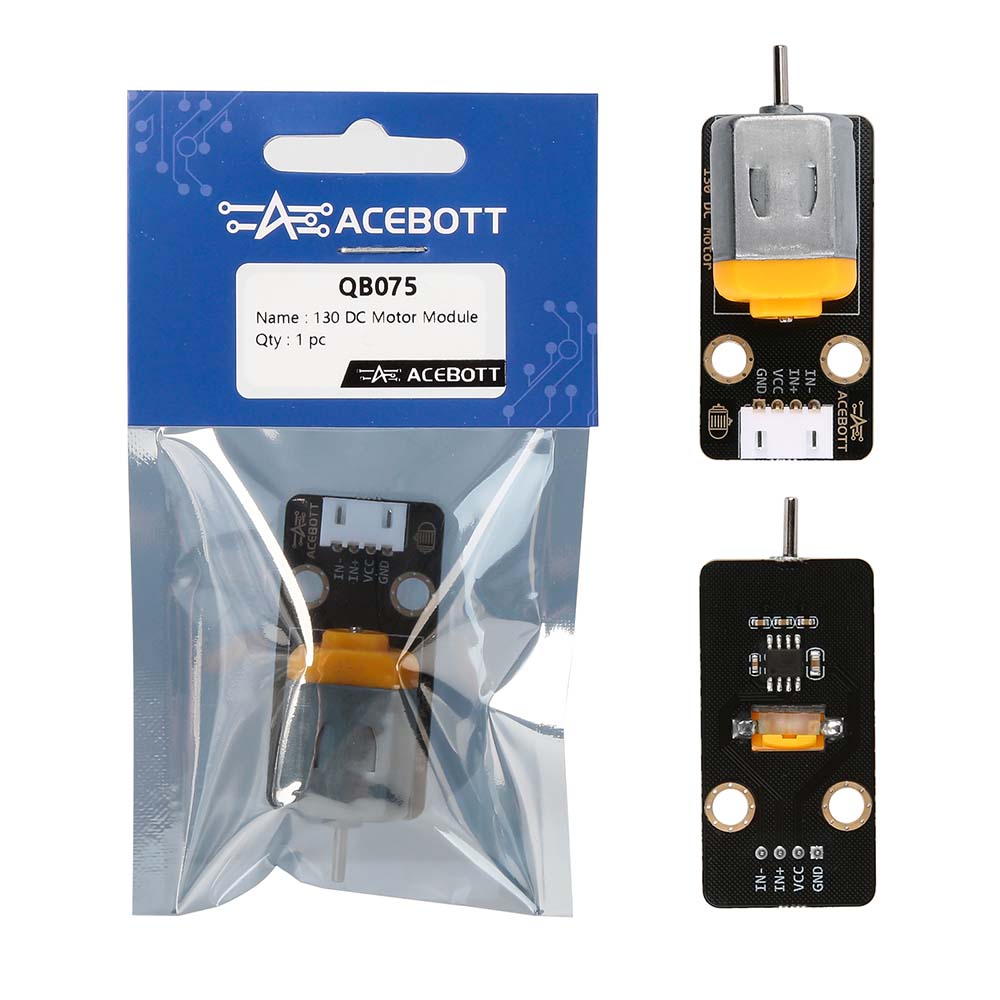
ACEBOTT Mini Fan 130 DC Motor Driver Module for Arduino

ACEBOTT Smart Car IR Infrared Obstacle Avoidance Module

ACEBOTT RGB Full-Color Digital Indicator LED Module

ACEBOTT 760nm~1100nm Digital Output Flame Sensor Module
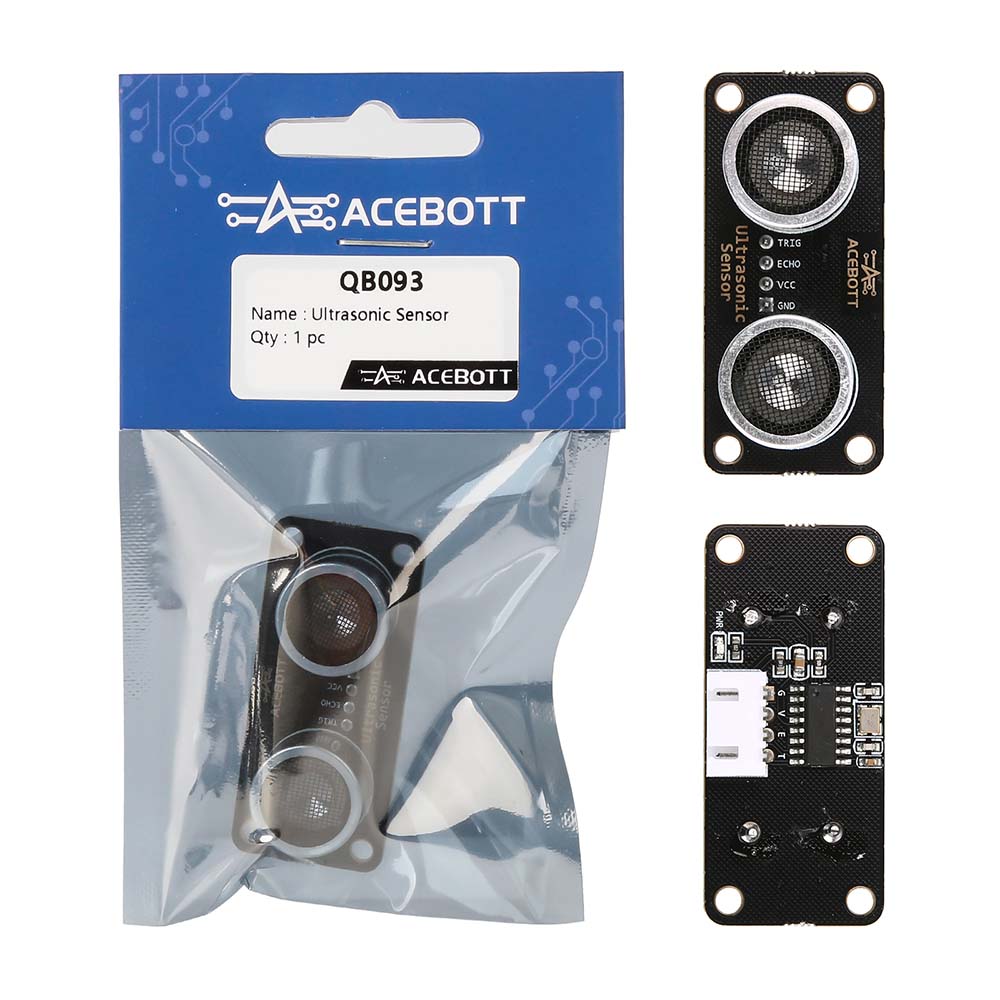
ACEBOTT HC-SR04 Ultrasonic Distance Measuring Transducer
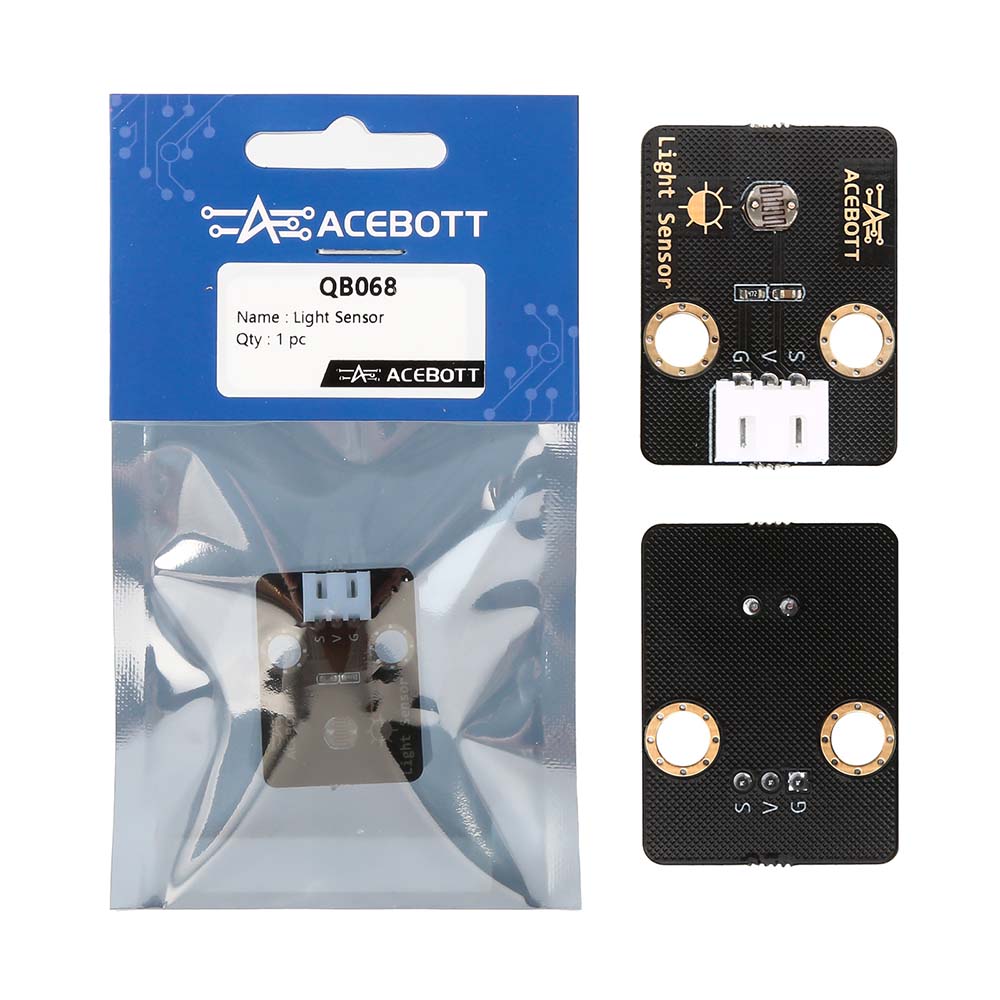
ACEBOTT Miniature Photoresistor Optical Sensor Module

ACEBOTT 3-Channel Robotics Precision Line Tracking Module
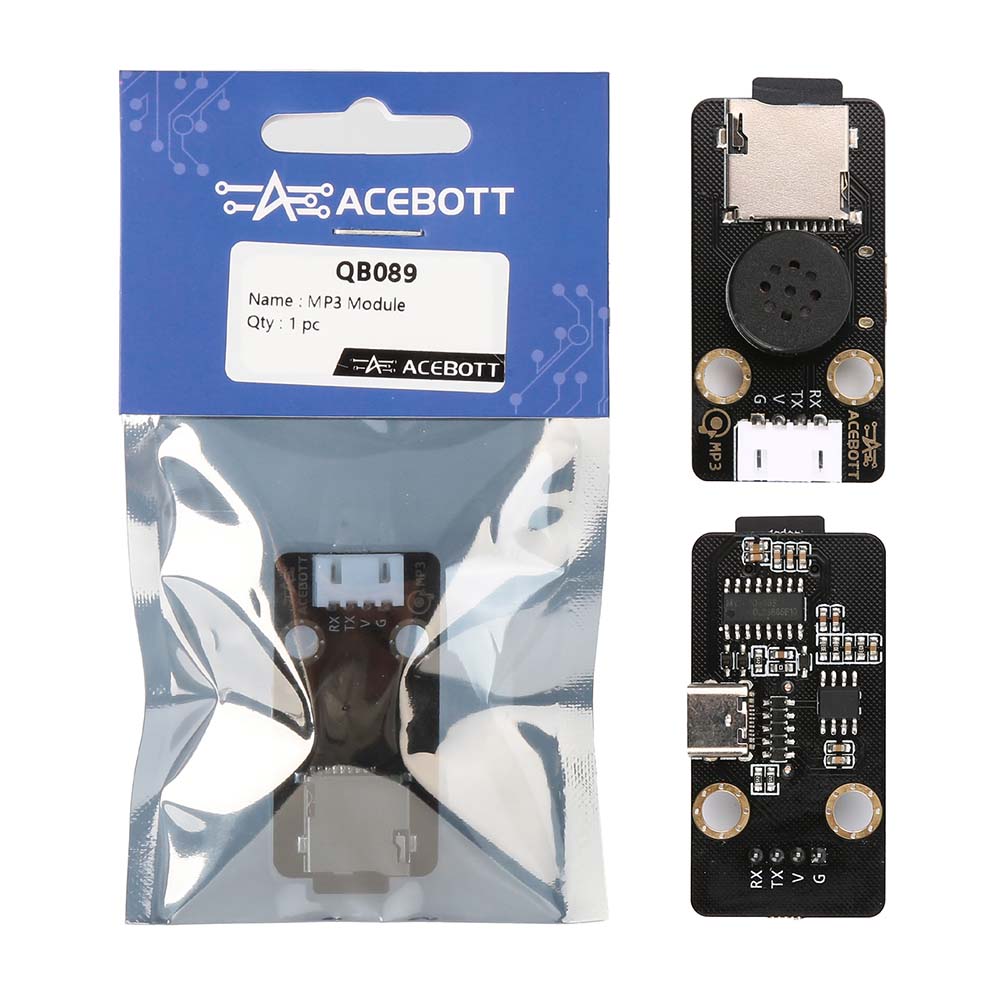
ACEBOTT MP3 Voice Announcement Sound Broadcast Module
Reachy Mini Dimensional Architecture & Workspace Envelope
When procuring humanoid desktop manipulators and interactive robotic platforms for European technical institutions, understanding physical dimensions and structural clearances is critical. The Reachy Mini form-factor is specifically engineered to bridge the gap between heavy industrial robotic arms and fragile tabletop hobby units, standardizing an optimal mechanical footprint suited for modern European university desks and cleanroom research benches.
Standard laboratory workbench depths across Netherlands polytechnics (such as Fontys, Saxion, and TU Delft 3mE labs) range between 750 mm and 800 mm. The Reachy Mini's structural footprint occupies less than 240 mm × 210 mm at the base, preserving over 68% of standard desk bench space for peripheral sensory rigs, oscilloscopes, and host laptops.
Our OEM manufacturing facility in Shenzhen produces Reachy Mini compliant chassis utilizing structural ABS, CNC-machined aerospace-grade aluminum brackets, and precision-balanced servo linkages. With an overall operational height ranging from 420 mm at rest to 585 mm at full arm extension, the architecture maintains an exceptionally stable center of gravity during high-speed trajectory interpolations.
Structural Sizing Matrix: Reachy Mini Variants vs. Standard Bench Constraints
European systems integrators require deterministic values when designing automated testing cells, educational demonstration pods, and interactive reception kiosks. Below is the certified engineering matrix detailing the physical metrics across our modular robotics product series:
| Robot Architecture Variant | Static Footprint (W × D) | Z-Axis Reach (Min - Max) | Dynamic Kinematic Radius | Actuator Backbone | Dutch Lab Suitability |
|---|---|---|---|---|---|
| Reachy Mini Desktop Explorer | 210 × 190 mm | 380 mm – 520 mm | 420 mm sphere | ESP32 + Bus Smart Servos | ROC MBO & HBO Computer Science Labs |
| Reachy Mini Research Pro (Bi-Arm) | 240 × 210 mm | 420 mm – 585 mm | 540 mm dual-hemisphere | High-Torque Metal Gear Serial Bus | WO Universities (Delft, Eindhoven, Twente) |
| Reachy Mini Compact Mobile Base | 320 × 290 mm | 510 mm – 660 mm | Omnidirectional + 480 mm arm | DC Planetary Gear + Steppers | Smart Industry Logistics & AGV Fieldlabs |
| ESP32 4DOF Mini Desktop Arm | 150 × 150 mm | 220 mm – 350 mm | 310 mm planar reach | PWM Precision Servo Array | Secondary Schools & STEM Makerspaces |
Strategic Robotics Applications Across the Netherlands
How Dutch high-tech ecosystems, vocational training institutes, and university consortia deploy compact humanoid dimensions to accelerate Industry 4.0 competencies.
Dutch Higher Education & HBO Polytechnics
Institutes like TU Delft, TU Eindhoven, Fontys Hogescholen, and Avans leverage Reachy Mini dimensions to outfit high-density robotics classrooms. Because each station demands under 0.25 m² of benchtop surface, universities can run 24 synchronized student pods in standard computer labs without requiring heavy high-voltage industrial enclosures or protective perimeter cages.
Brainport Eindhoven High-Tech Prototyping
Within the Brainport Eindhoven technology zone, precision mechatronics startups and fieldlab researchers use Reachy Mini physical form-factors for preliminary digital twin validation. The standardized dimensions allow rapid integration with ROS 2 (Robot Operating System), Python, and ESP32 IoT backbones to prototype delicate micro-assembly handling before deploying large capital equipment.
Agri-Food & Greenhouse Automation Testing
In the Westland horticulture corridor and Wageningen University research incubators, compact robotic manipulators are tasked with micro-harvesting simulation, seedling phenotyping, and visual inspection algorithms. Reachy Mini’s low mass (3.45 kg) and compliant end-effector interfaces make it effortless to mount onto autonomous greenhouse rail trolleys.
Robotics Procurement Trends in the Netherlands & Benelux
Key regulatory, pedagogical, and technological shifts dictating educational and industrial robotics purchasing in the Dutch market.
Transition to Open-Source ROS 2 & ESP32 Edge Intelligence
Dutch academic institutions are aggressively retiring proprietary closed-loop instructional platforms. Procurement directors now mandate open-architecture hardware supporting ESP32 microcontrollers, Arduino C++, Python, and ROS 2 middleware. Reachy Mini’s open interfaces allow teachers to customize firmware and develop bespoke curriculums without recurring licensing fees.
Mandatory CE, RoHS, and WEEE Environmental Compliance
Importing into the European Union via the Port of Rotterdam or Amsterdam Airport Schiphol necessitates uncompromising conformity with CE marking (EMC Directive 2014/30/EU, Low Voltage Directive 2014/35/EU, and RoHS 2011/65/EU). Dutch educational tenders strictly eliminate suppliers lacking certified toxic-free polymers, fire-retardant electronics, and verifiable supplier declarations.
Compact Collaborative Robotics for Smart Industry Fieldlabs
Under the Dutch government's "Smart Industry" implementation agenda, regional fieldlabs across South Holland, North Brabant, and Overijssel focus on human-robot collaboration (cobots). Desktop-dimensioned units allow operators to experiment with computer vision, voice interaction, and inverse kinematics without spatial hazards or structural laboratory modifications.
Shenzhen Reachybott Co., Ltd. Factory Strengths
Direct manufacturer and global trading company delivering institutional reliability, certified BOM control, and complete OEM/ODM flexibility to European buyers.
Integrated Engineering, Injection Molding & Calibration Under One Roof
Operating from Shenzhen's high-tech manufacturing core (Room 305, Building 212, Tairan Technology Park), Shenzhen Reachybott Co., Ltd. controls the complete lifecycle of educational robotics: from structural mold development and SMT printed circuit board assembly to localized English and Dutch documentation design.
Unlike ordinary trading agents, our combined manufacturer and exporter structure guarantees direct traceability over every bill of materials (BOM). We calibrate every servo motor gear backlash, verify communication bus integrity under thermal stress (-10°C to +50°C), and package kits for drop-tested international transit.
-
Alibaba.com Onsite-Checked Supplier: Verified premises, validated trade capacity, and audited transaction credit score.
-
Complete OEM / ODM Services: Custom silk-screen branding, bespoke dimension chassis modifications, Dutch curriculum integration, and private labeling.
-
Flexible Minimum Order Quantity: Rapid prototyping sample orders available from 1 piece; full container load (FCL) scaling for regional school districts.
Direct Netherlands Logistics
Seamless door-to-door delivery with customs cleared. Experienced in handling DDP shipments straight to Dutch university receiving docks and logistics hubs in Venlo.
European Commercial Terms
Transparent B2B settlement terms supporting intra-community transactions, school district purchase orders, and multi-currency commercial invoicing.
EU Standards & Quality Control
Every batch undergoes rigid electrical calibration, dielectric safety inspection, and 100% mechanical endurance burn-in before release.
Frequently Asked Questions by Dutch Buyers
Direct answers addressing import protocols, VAT treatment, classroom sizing, and customization for Netherlands businesses and schools.
What are the exact bench clearance dimensions required for Reachy Mini in Dutch student labs?
For safe educational operation in standard Dutch HBO and MBO technical classrooms, we recommend allocating a dedicated desk area of 500 mm width × 450 mm depth per Reachy Mini unit. Although the static base footprint is only 235 mm × 205 mm, the dynamic dual-arm reaching envelope extends to a 585 mm hemispherical radius.
This provides sufficient perimeter safety margin for students to work comfortably with laptops, sensory breadboards, and documentation without risk of collision or accidental snagging.
How are import customs, Dutch BTW (VAT), and Article 23 import permits handled?
We routinely supply Dutch corporate entities, distributors, and registered universities under DDP (Delivered Duty Paid) terms, where all import tariffs, customs clearance formalities, and EU cross-border documentation are handled by our forwarders prior to delivery.
For Dutch companies possessing an Artikel 23 vergunning (Article 23 VAT deferment license), we provide standard commercial invoices and packing lists under FOB or CIF Rotterdam/Schiphol terms, allowing the 21% Dutch BTW to be deferred directly to your periodic tax return, completely preserving institutional cash flow.
Can we order a single evaluation sample unit before releasing a tender or bulk PO?
Yes. Our minimum order quantity (MOQ) for standard Reachy Mini units and educational STEM robotics sets is 1 piece for bench testing, software validation, and committee review. Sample units are dispatched directly via express air freight (DHL / FedEx / UPS) and arrive at any address in the Netherlands (North Holland, South Holland, Utrecht, Brabant, etc.) within 4 to 6 business days.
What programming environments and curricula are supported out of the box?
Our robotics platforms are natively built around open ecosystems. They provide complete multi-level compatibility: visual drag-and-drop block coding (Scratch 3.0) for primary and lower secondary STEM classes; Arduino C/C++ in the Arduino IDE for vocational robotics courses; and native Python libraries alongside ROS / ROS 2 nodes for advanced university research in inverse kinematics, machine learning, and spatial navigation.
Can the factory provide OEM custom branding, packaging, and localized Dutch teaching manuals?
Absolutely. As an integrated manufacturer with in-house technical writers and structural engineers, we routinely support Dutch educational distributors and regional brands. OEM services include laser-engraving institutional logos onto the chassis, designing custom full-color retail packaging, configuring specific sensor kit combinations, and providing localized English or Dutch user guides and classroom experiment syllabi.
Procure Reachy Mini Robotic Kits & Modules for Netherlands
Connect directly with our engineering team in Shenzhen to request 3D CAD step files, detailed dimension diagrams, volume tier pricing, or DDP delivery schedules to the Netherlands.