OEM/ODM Modular Electronics & Replacement Spares
Reliable components designed for troubleshooting, rapid field-servicing, and educational robotic assembly lines in Kuwaiti institutions and regional makerspaces.



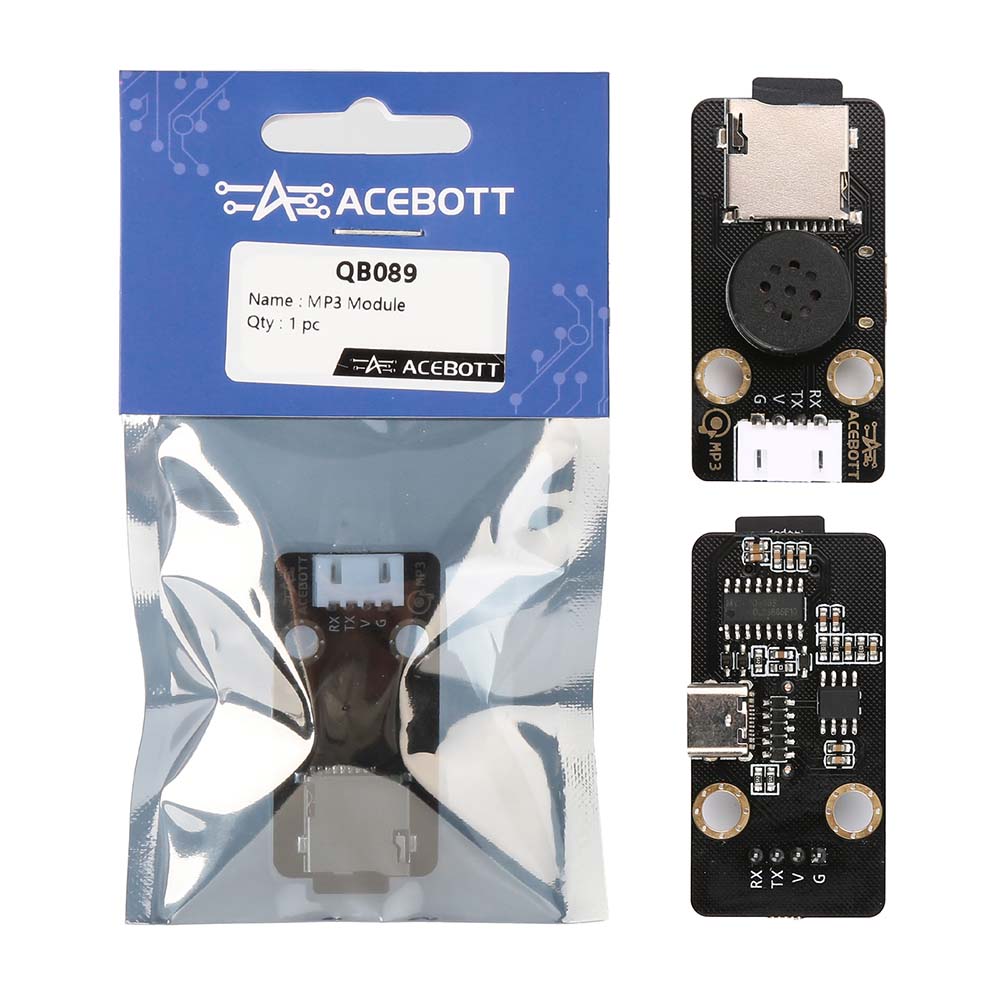
Diagnostic Protocols: Systematic Troubleshooting for Reachy Mini & STEM Robotics
Addressing core mechanical, signal-level, and thermal failure modes inherent in compact bio-mimetic and modular educational robotics.
Actuator & Micro-Servo Jitter
Kinematic instability in desktop robotic platforms like Reachy Mini typically manifests as high-frequency oscillatory hunting around targeted angular setpoints. In classroom and lab conditions, this is commonly caused by PWM timer signal noise or potentiometer wiper wear within feedback loops.
- Verify dead-band parameters within the servo control loop (adjust deadband from 1μs to 3–5μs).
- Inspect nylon/metal reduction gearboxes for stripped teeth under sustained holding torque.
- Check pulse train consistency: Ensure PWM refresh rates do not exceed the servo's 50Hz–330Hz specification.
I2C Bus Contention & Lockups
Multi-sensor robotic setups relying on I2C for peripheral interconnects (accelerometers, PWM drivers, environmental boards) encounter catastrophic bus freezes when a single slave device holds the SDA line low due to transient voltage drops.
- Execute an I2C clocking recovery sequence: clock SCL manually up to 9 cycles until SDA is released.
- Audit onboard pull-up resistors: Parallel pull-ups on multiple breakouts can drop effective impedance below 1kΩ.
- Ensure proper 3.3V to 5.0V bi-directional logic shifting to prevent gate clamp diode saturation on ESP32 MCUs.
Transient Voltage Drops & ESP32 Brownouts
When multiple micro-servos articulate concurrently, inductive inrush current can pull the system 5V/3.3V rail below the ESP32 brownout threshold (approximately 2.43V–2.80V depending on eFuse settings), triggering erratic hardware resets.
- Decouple servo logic power from servo motor power using discrete regulator stages (LDO or Buck).
- Implement low-ESR electrolytic bypass capacitors (minimum 470μF to 1000μF) adjacent to high-draw nodes.
- Verify lithium battery health; cells with rising internal resistance (IR) fail to handle peak burst currents.
Troubleshooting Matrix for Educational & Interactive Robotics
A reference engineering chart utilized by hardware lab technicians and wholesale sourcing auditors to isolate hardware vs. firmware anomalies.
| Observed Symptom | Probable Subsystem | Root Cause Mechanism | Severity | Remediation Protocol |
|---|---|---|---|---|
| Serial Port Spams Brownout Detector Reset | Power Delivery / ESP32 MCU | Inrush current from simultaneous servo startup drags VDD below acceptable brownout threshold. | Critical | Split logic and motor supply rails. Add bulk capacitance (1000μF 16V) near the actuator header pins. |
| Robotic Head Pan/Tilt Stutter | Actuator Feedback / ADC | Wiper carbon deposition or EMI induction along unshielded analog position sensor wiring harnesses. | Moderate | Implement moving average digital filtering in software; replace degraded potentiometers with Hall-effect magnetic encoders. |
| I2C Sensor Reading Returns 0x00 or Hangs | Communication Bus | Missing pull-ups or slave device stuck in ACK cycle following an abrupt brownout. | Critical | Implement I2C bus clear routine in setup(); verify external 4.7kΩ pull-ups to 3.3V; check device address collisions. |
| IR Remote / Optical Input Unresponsive | Peripherals / Receivers | Direct exposure to high-ambient ambient infrared or halogen lighting saturating receiver photodiode. | Operational | Verify 38kHz carrier filter integrity; add optical shielding shrouds to reduce ambient light saturation. |
| Thermal Throttling / Servo Creep | Kinematics / Drivers | Excessive steady-state holding torque in static stances causing H-bridge MOSFET thermal runaway. | Moderate | Introduce kinematic rest postures in code; replace plastic gear assemblies with metal-core heat-dissipating shells. |
Robotics Integration & Maintenance in Kuwait's Operating Environment
Deploying advanced robotics kits and modular STEM labs across Kuwait requires engineering adaptations tailored to the country's unique educational initiatives, harsh thermal climate, and specific regulatory demands. Kuwait Vision 2035 ("New Kuwait") places high priority on digital literacy, technical vocational mastery, and indigenous STEM innovation across public and private educational sectors.
Kuwait Ministry of Education (MoE) & Public Curricula
Secondary schools and vocational institutes under the Kuwait MoE are transitioning from theoretical computer science to hands-on physical computing. Modular robotics kits built around transparent C++/Arduino IDE architectures allow students to systematically diagnose real-world circuit anomalies.
Sabah Al-Ahmad Center for Giftedness and Creativity (SACGC)
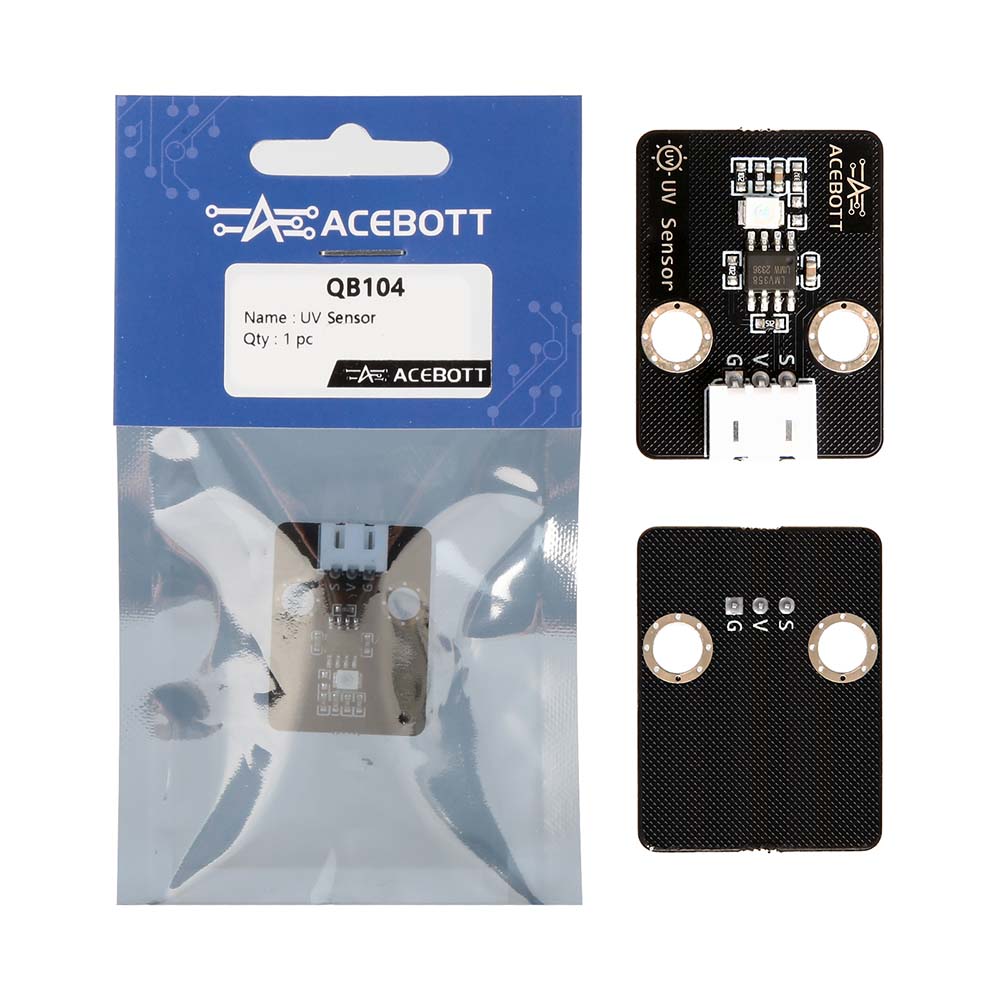
Elite innovation incubators across Kuwait City require robust hardware capable of withstanding repetitive maker assembly. Platforms equipped with expandable sensors (UV, analog arrays, flame modules) allow competitive teams to engineer solutions for local industrial and smart-city applications.
Kuwait University & Engineering Labs
Higher education engineering labs at Kuwait University (Shuwaikh & Shadadiyah campuses) utilize modular micro-controller robotics for coursework in embedded systems, real-time operating systems (FreeRTOS), and multi-degree-of-freedom kinematic path planning.
Environmental Challenges for Educational Robotics in the GCC
Specific atmospheric considerations for Kuwait and the broader Arabian Peninsula that directly impact hardware longevity and failure rates.
Thermal Degradation & HVAC Shock
Summer ambient temperatures in Kuwait frequently exceed 50°C (122°F), causing rapid thermal cycling between heavily air-conditioned indoor labs (20°C) and transit or outdoor display environments. This rapid cycling leads to condensation on optical sensors, accelerated embrittlement of structural plastics, and premature thermal shutdown of linear voltage regulators (LDOs). Shenzhen Reachybott provides specialized industrial-grade wide-temperature components (-20°C to +85°C) to prevent thermal drift in critical sensors.
Airborne Particulates & Fine Desert Dust
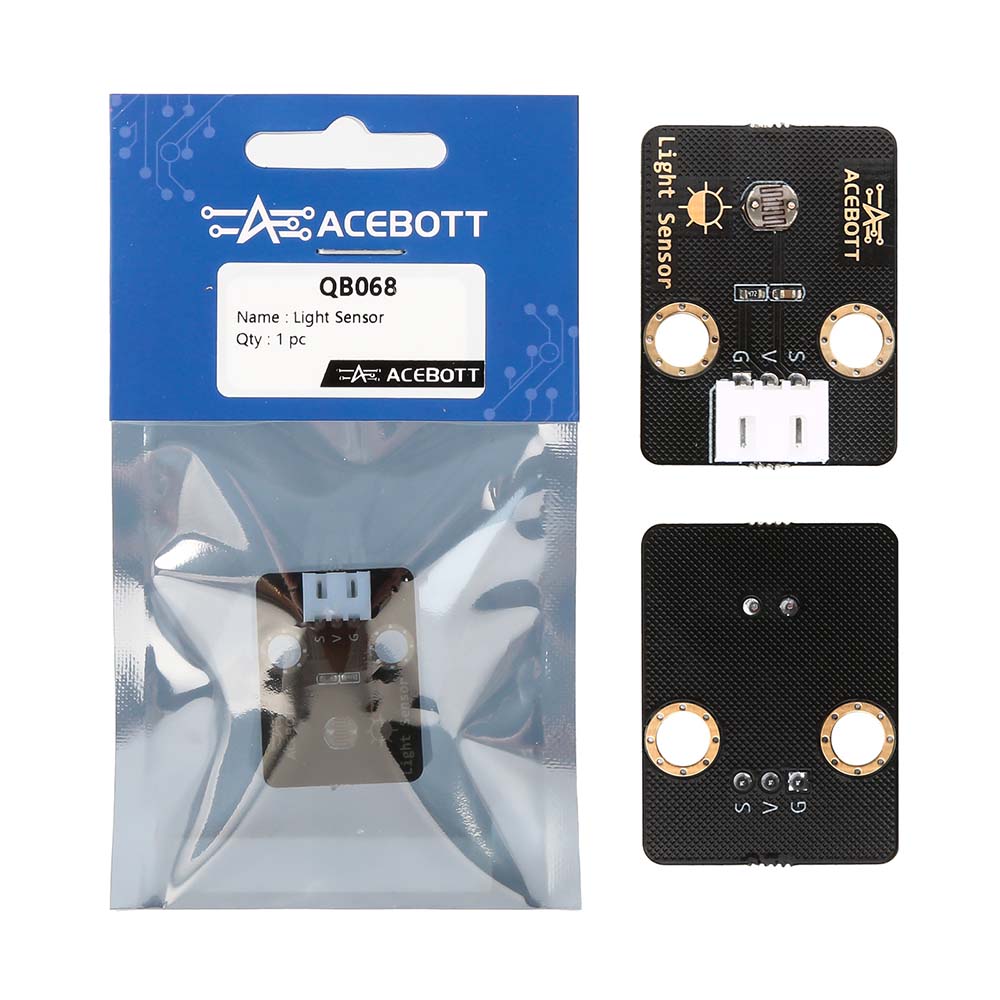
Fine silica dust common in the Gulf region readily penetrates exposed open-frame servo motors, unsealed slide potentiometers, and optical detector slits. Ingress of abrasive particles causes rapid gear train binding, optical path scattering on photoresistor/UV modules, and intermittent breadboard pin contact. Wholesale configurations for Kuwait incorporate sealed potentiometer encasings and protective acrylic enclosures for mainboards.
Emerging Procurement Trends in Kuwait's B2B STEM Market
Key shifts observed by suppliers, tender contractors, and educational wholesalers operating across Hawalli, Kuwait City, and Al Ahmadi.
Shift from Closed to Open Architectures
Institutional purchasers in Kuwait are systematically moving away from proprietary, locked-down robotic platforms that require recurring software license renewals. Preference is strongly shifting toward open-source ESP32, ESP8266, and Arduino compatible ecosystems that allow hardware troubleshooting, third-party sensor integration, and long-term modular maintenance without vendor lock-in.
Bilingual Curriculum Integration
Hardware alone is no longer sufficient to win institutional tenders in Kuwait. Government and private bilingual schools (American and British academies) demand comprehensive engineering manuals and video tutorials delivered in both Arabic and English. Shenzhen Reachybott provides tailored OEM/ODM documentation localization to match the educational syllabus.
Direct-from-Manufacturer Logistics
Educational distributors in Kuwait are bypassing multi-tiered regional trading houses in Dubai or Europe, opting instead for direct manufacturer relationships with Shenzhen-based facilities. This direct-supply channel ensures factory-level component troubleshooting support, access to genuine replacement parts, and favorable commercial terms (CIF Shuwaikh Port, DDP air cargo).
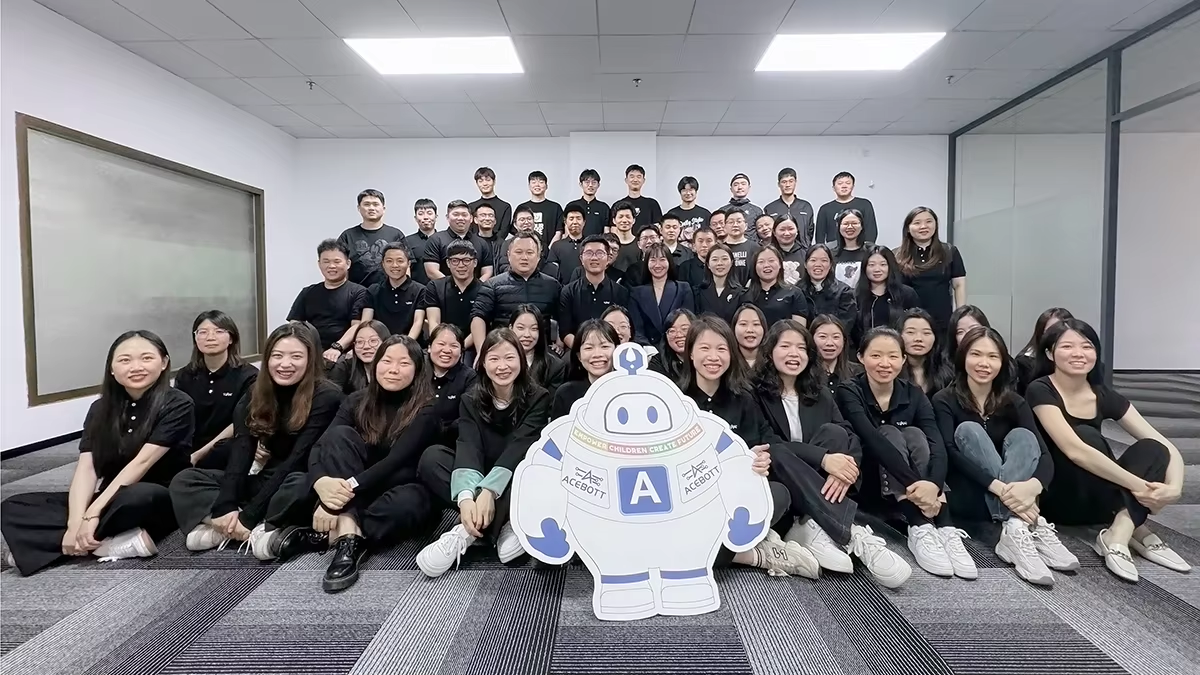
Your Direct Engineering & Sourcing Partner in Shenzhen
Shenzhen Reachybott Co., Ltd. (operating the ACEBOTT brand) is a high-tech manufacturer specializing in ESP32, Arduino, and micro-controller educational robotics kits, robotic arms, smart home platforms, and electronic modular sensors.
Unlike conventional trading intermediaries, we operate an integrated in-house engineering apparatus covering PCB schematic design, SMT surface-mount assembly, injection molding, firmware development, and comprehensive multi-language curriculum creation.
- Deep Hardware Customization (OEM/ODM): Silk-screen logos, custom PCB silkscreens, localized Arabic packaging, and bespoke sensor bundles tailored to Kuwait institutional tenders.
- Direct Replacement Parts Supply: Immediate availability of spare servos, replacement motherboards, and modular sensors to ensure zero downtime for educational institutions.
- Export-Ready Logistics to Kuwait: Experienced handling of Kuwait General Administration of Customs clearances, PAI (Public Authority for Industry) conformity documentation, KUCAS certification, and direct air/sea freight routing to Shuwaikh and Shuaiba.
Frequently Asked Questions for Kuwait Wholesalers & Sourcing Officers
Addressing the technical, regulatory, and logistical considerations essential for importing and deploying educational robotics in Kuwait.
How can Kuwait institutions troubleshoot erratic servo motor behaviors on Reachy Mini style platforms? +
What regulatory certifications and customs protocols apply when importing educational robotics into Kuwait? +
What is the minimum order quantity (MOQ) for custom OEM branding for Kuwait educational tenders? +
How does Shenzhen Reachybott handle warranty replacements and spare parts logistics in Kuwait? +
Are the programming curricula and development tools compatible with Kuwaiti school standards? +
Connect with Our Engineering & Sourcing Team
Looking to resolve technical hardware bottlenecks, request a tailored Kuwait tender quotation, or evaluate sample kits for your educational distribution channel? Our engineering team responds within 24 hours.