Engineering Next-Generation Desktop Robotics with Raspberry Pi CM4
A rigorous industrial perspective on the convergence of high-density Compute Module 4 architecture, multi-DOF dynamic servo coordination, and low-latency sensory processing for modular automation and research platforms.
Critical Subsystems & Recommended Sensor Configurations
Field-tested hardware modules engineered for rapid OEM integration, high-fidelity sensory feedback, and deterministic field performance.
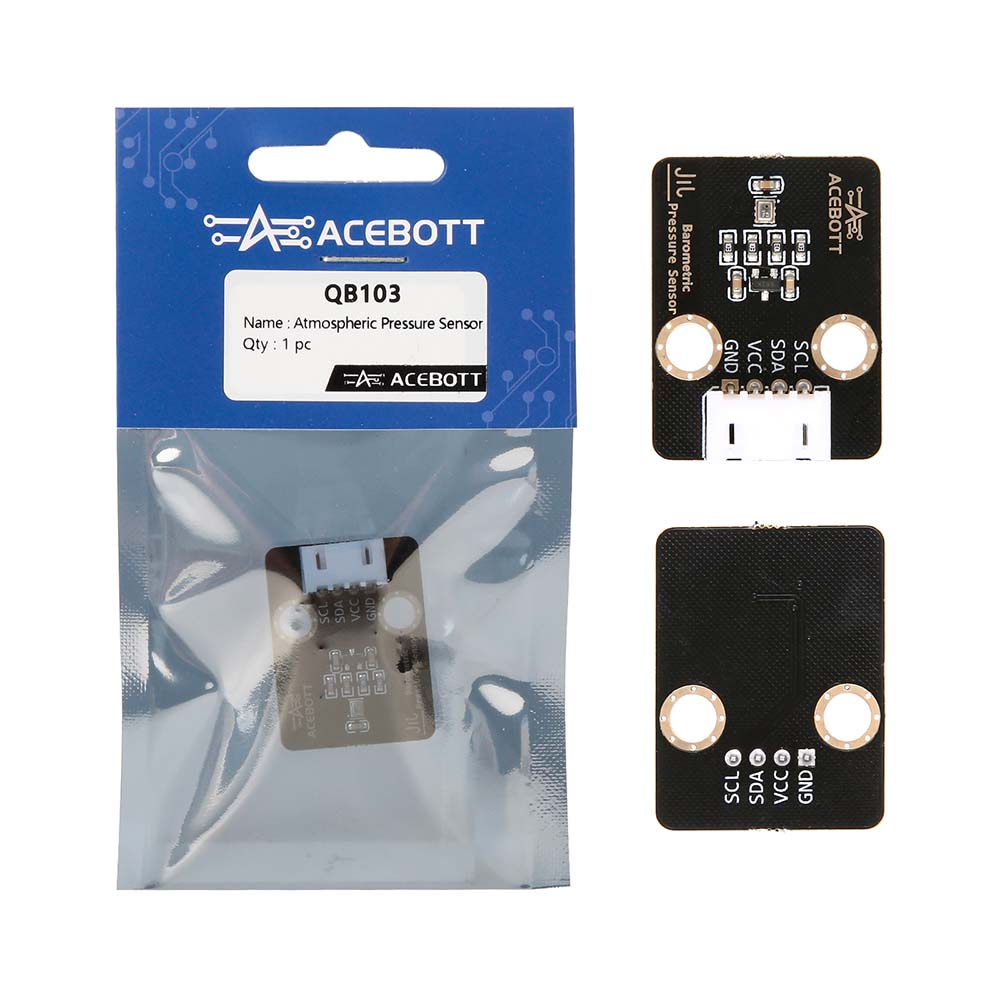
BMP280 Barometric Pressure Sensor Module
High-precision MEMS sensor with low current draw (2.7µA) and integrated I2C/SPI interfaces. Crucial for thermal compensation, atmospheric tracking, and elevation mapping in mobile autonomous nodes.

12x12mm Industrial Tactile Switch Module
Designed for hard-cycle durability with debounced logic output. Delivers deterministic digital high-level state triggering for emergency stop, reset, and user interface controls in robotic systems.
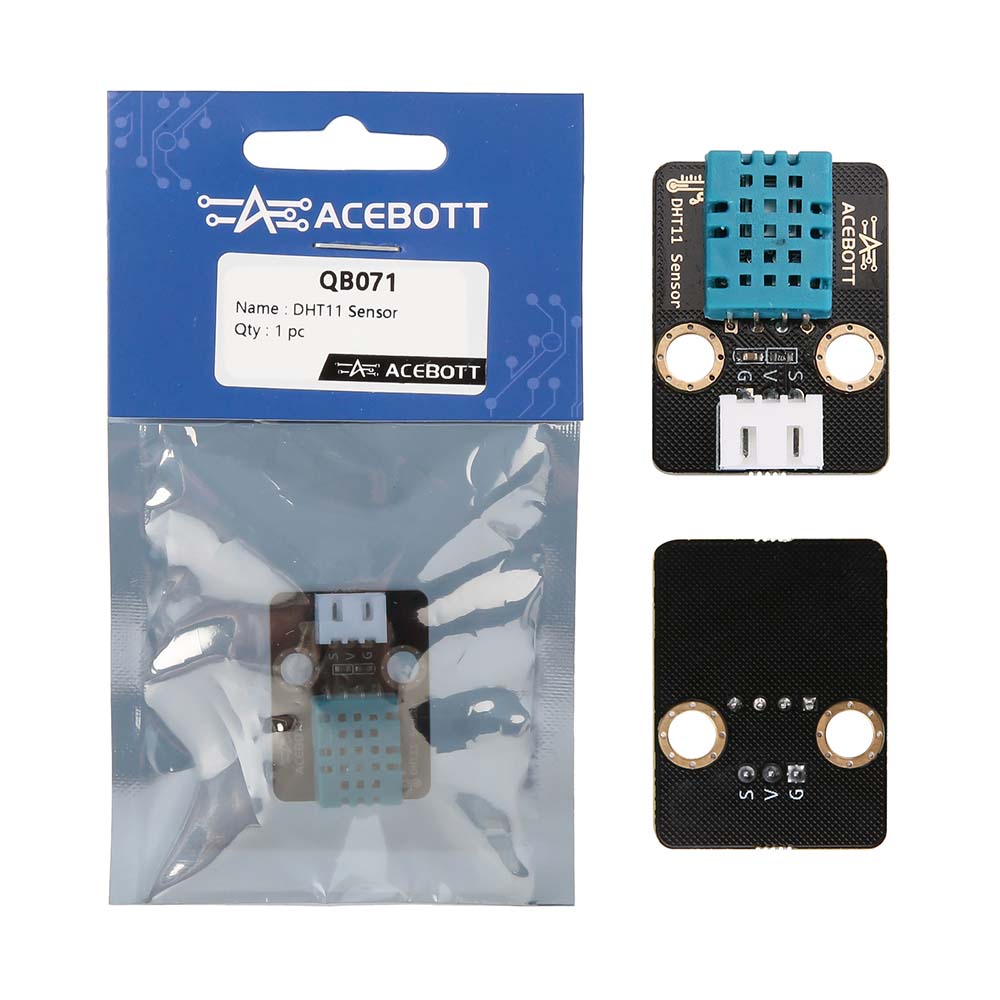
DHT11 Digital Temp & Humidity Sensor
Pre-calibrated single-bus digital output sensor optimized for chassis internal diagnostics, ensuring operating parameters remain within safe thresholds under heavy Compute Module workloads.
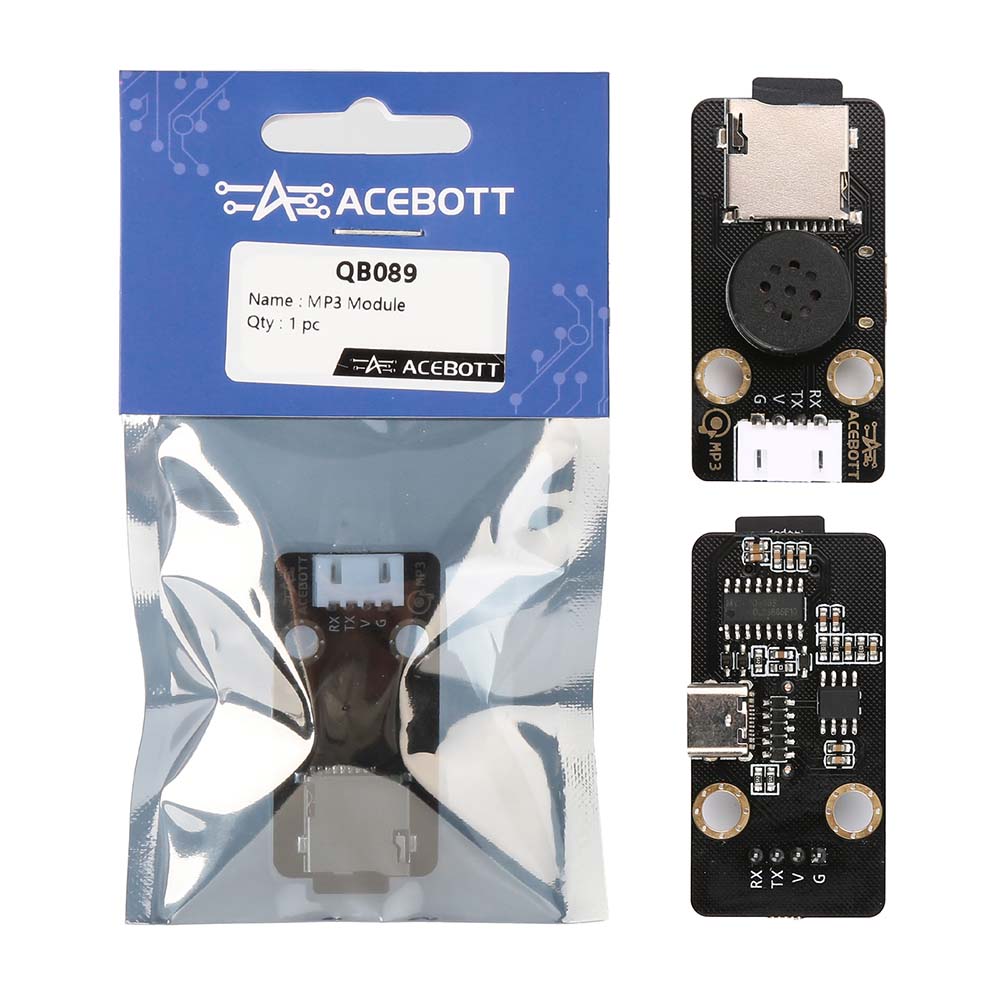
Standalone MP3 Voice Broadcast Unit (5V)
Hardware-decoded acoustic broadcast board featuring on-board SD storage and high-SNR amplification. Enables expressive HMI audio feedback without taxing the CM4 host microprocessor.
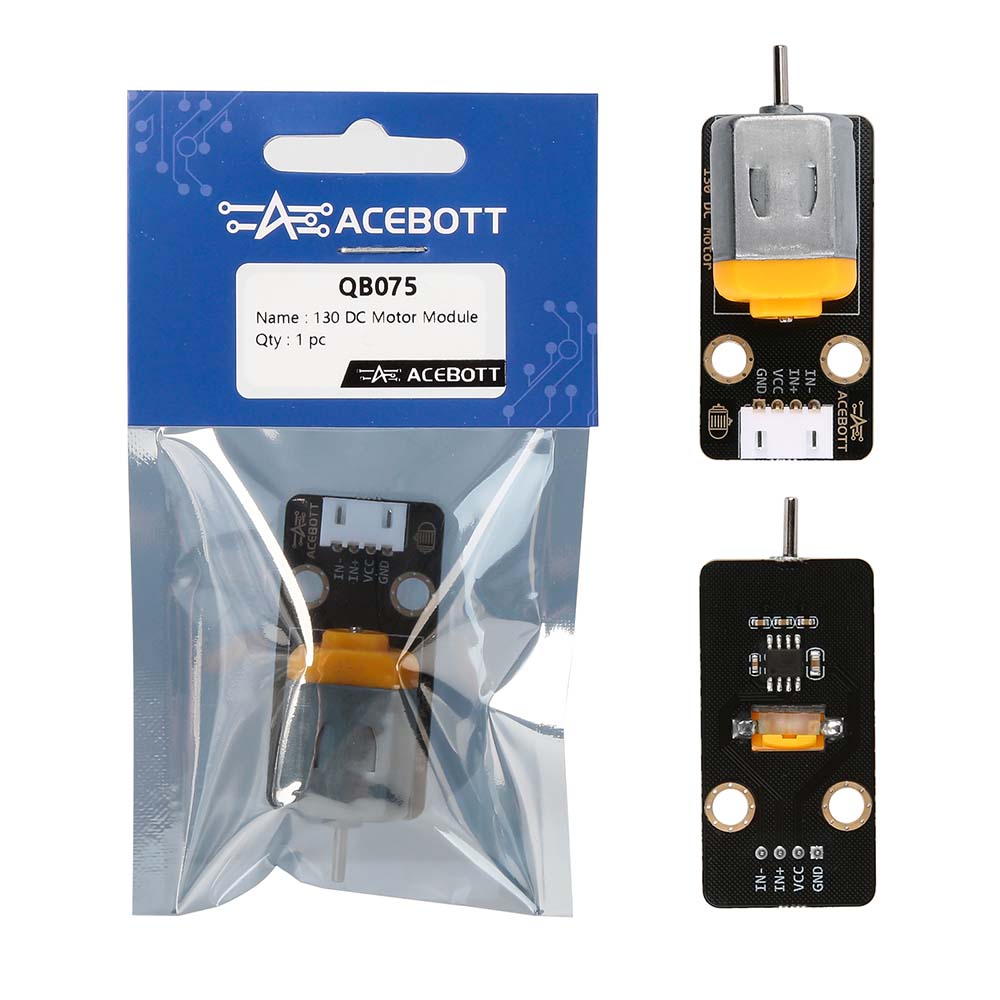
Compact 3.3V-5V Dual-Rail Motor Driver
Thermal-resistant continuous-current H-bridge drive module designed for auxiliary cooling fans, secondary micro-actuators, and active end-effector mechanical tooling subsystems.
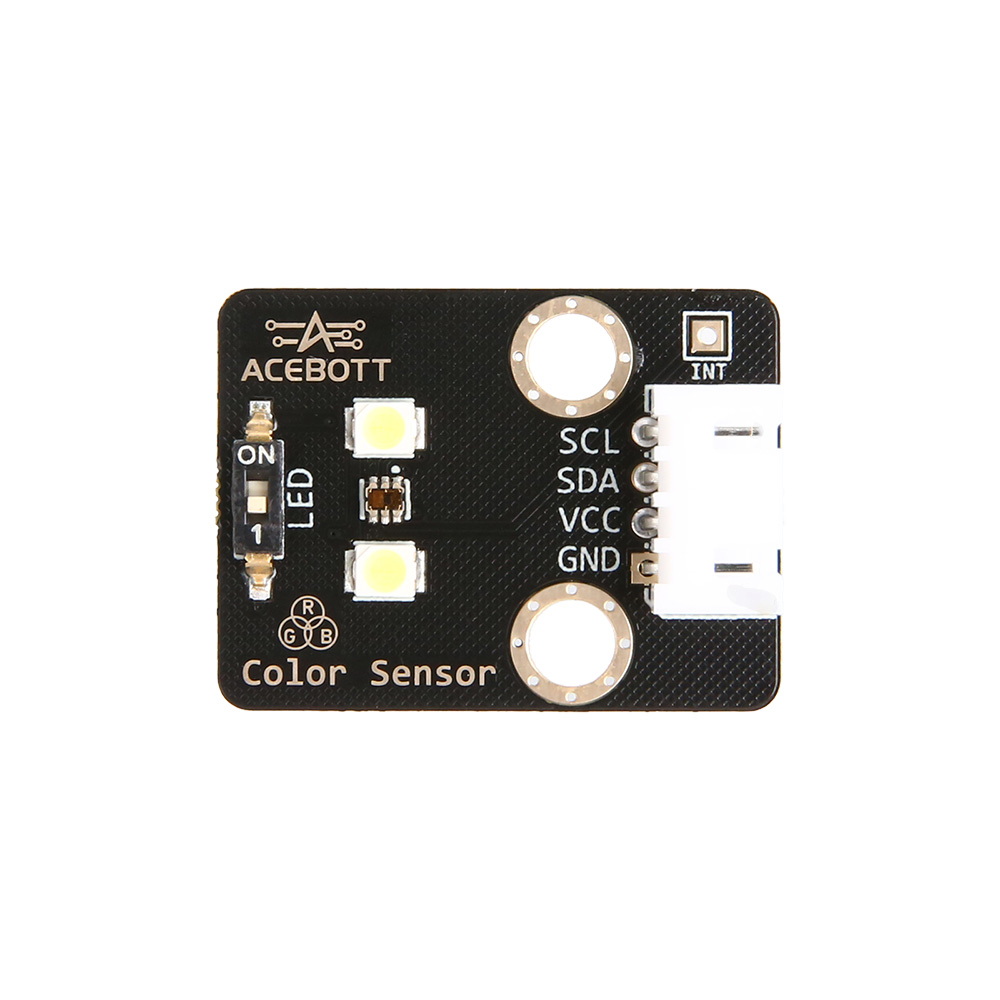
Optical Induction RGB Color Sensor
Photodiode array with integrated infrared-blocking filter. Allows pick-and-place precision sorting, target color validation, and baseline surface inspection under varying lighting conditions.

7.4V Li-Po Power Management System (BMS)
High-efficiency switching regulator module offering seamless dual-input balancing, solar harvesting compliance, and overcharge protection for field-deployed robotic vehicles and remote stations.
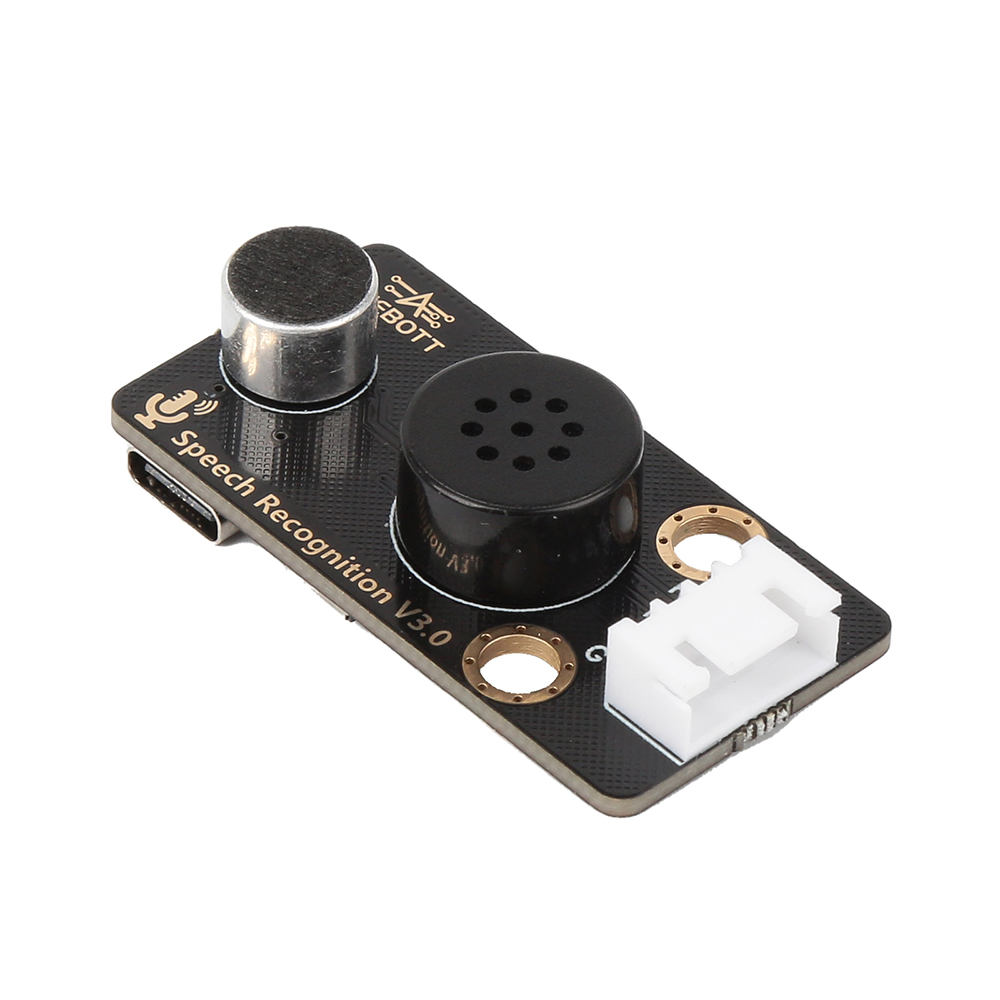
Offline Voice Recognition & BT Module V3.0
Edge-computed neural acoustic classification engine capable of high-confidence offline wake-word recognition, pairing seamlessly via Bluetooth with primary industrial controller boards.
Engineering Overview: Why Deploy Raspberry Pi CM4 in Desktop Robotics?
An objective architectural analysis evaluating computing power, power efficiency, and hardware flexibility for institutional laboratories and commercial integrators.
| Architecture Characteristic | Traditional Microcontroller (ESP32/STM32) | Standard Single Board Computer (Pi 4B) | Industrial Carrier + Raspberry Pi CM4 |
|---|---|---|---|
| Form Factor & Mechanical Rigidity | Highly compact, but limited peripheral bus bandwidth. | Bulky fixed connectors (USB/HDMI); poor shock absorption. | Ultra-compact board-to-board Mezzanine Hirose connectors; custom layout integration. |
| On-Board High-Speed Storage | Serial SPI Flash (Slow, low-density storage). | MicroSD cards only (Susceptible to corruption from vibrations). | High-reliability Industrial eMMC (Up to 32GB) with high MTBF & write cycles. |
| Computer Vision & Camera Pipeline | Low-frame-rate QVGA; software image parsing. | Single 2-lane MIPI CSI-2 interface. | Dual MIPI CSI-2 (2-lane + 4-lane) interfaces for zero-latency stereo-vision kinematics. |
| Real-Time Determinism vs. High-Level OS | RTOS supported, but lacks high-level ROS 2 execution. | Runs Linux / ROS, but poor precision PWM without external chips. | Linux + ROS 2 on CM4 paired with coprocessor bus for sub-millisecond servo control. |
| Thermal Envelope & Heat Dissipation | Minimal heat generation (<1.5W); passive cooling. | Concentrated hotspots; awkward heatsink mounting. | Direct thermal interface to full metal structural chassis; superior thermal profile. |
Future Sourcing & Procurement Trends (2025–2030)
Key market movements and hardware design paradigms driving industrial procurement decisions for miniature robotic platforms.
1. Edge-AI Native Carrier Boards
Procurement teams are shifting away from monolithic motherboards toward modular baseboards that incorporate dedicated NPU acceleration alongside the Raspberry Pi CM4. This trend allows robots like Reachy Mini to execute quantized YOLO models, facial landmark tracking, and real-time posture analysis locally without cloud-dependent latency.
2. Serial Bus Servos with Magnetic Encoders
Conventional analog and basic digital PWM servos are rapidly being deprecated in commercial builds. The market has aligned with daisy-chained, TTL serial-bus servo actuators utilizing contactless magnetic encoders (12-bit or higher), enabling bi-directional telemetry including real-time torque, load current, position, and thermal limits.
3. ROS 2 Micro-ROS Harmonization
Standardization around ROS 2 (Humble/Iron) has made it imperative that manufacturing facilities deliver hardware equipped with native DDS integration. Sourcing trends show that tier-one academic and enterprise customers require certified Docker containers, pre-configured URDF kinematic models, and out-of-the-box micro-ROS firmware configurations.
Why Source From Our Shenzhen Engineering Facility?
Direct manufacturing oversight, complete BOM traceability, and comprehensive end-to-end OEM/ODM custom engineering services.
Custom Carrier Board Engineering
We do not merely assemble third-party modules. Our specialized in-house R&D team designs custom CM4 carrier circuit boards tailored to your exact payload constraints, high-efficiency power distribution units (PDU), and connector configurations.
Precision Mechanical Prototyping
Equipped with advanced multi-axis CNC machines and industrial SLS/SLA 3D printing equipment, our factory accelerates rapid prototyping for structural head components, robotic neck gimbals, bio-mimetic antennal units, and durable multi-DOF limbs.
Multi-Tier QC & Stress Verification
Every single assembled robotic unit undergoes rigorous 48-hour continuous kinematic burn-in, full automated SMT inspection, thermal throttling evaluations under synthetic Compute Module stress tests, and automated calibration checks.
Procurement & Technical FAQ
Direct technical answers addressing the critical parameters queried by institutional buyers, educational consortiums, and technology distributors.
What are the minimum order quantities (MOQ) for custom OEM carrier board revisions?
For standard evaluation units and functional samples using our baseline architecture, the MOQ is 1 unit. For tailored OEM carrier board customizations (e.g., custom peripheral pinouts, integrated Power-over-Ethernet (PoE) modules, or specialized sensor bus bridges), our standard production MOQ typically initiates at 100 to 300 units depending on the layout scope and bill-of-materials (BOM) complexity.
How does the factory prevent thermal throttling on the Raspberry Pi CM4 within confined chassis?
Our mechanical enclosures feature integrated direct-die aluminum alloy heatsinks coupled via high-conductivity thermal pads (6.0 W/m-K) directly to the main robotic structural frame. Additionally, our intelligent motor driver and fan management modules dynamically engage cooling based on live thermal telemetry reported across the I2C diagnostic bus, ensuring core processing frequencies remain constant during extended computer vision cycles.
Can our engineering team specify alternate servos or bus protocols?
Yes. As an authentic ODM/OEM manufacturing plant, we accommodate broad custom actuation specifications. While our standard platform utilizes high-torque TTL serial-bus servos with 12-bit magnetic encoding, our hardware design teams can accommodate CAN-bus (CANopen), RS485 differential signaling, or coreless BLDC actuators based on your required payload, precision tolerances, and operational life requirements.
What level of software and ROS 2 support is provided with delivery?
We provide full-stack board support packages (BSP). This comprises customized, stable Linux kernel trees, pre-compiled device tree overlays for CSI camera pipelines, native micro-ROS low-level firmware, and standard ROS 2 driver nodes. Complete URDF modeling files are made available to streamline immediate deployment in RViz, Gazebo, or downstream simulation environments.
What international regulatory certifications do your facilities and hardware support?
Our manufacturing base operates under rigorous ISO9001 and ISO14001 quality management guidelines. Products exported across North America, the European Union, and South America conform to CE, FCC, and RoHS standards. Battery-backed sub-assemblies ship fully certified under UN38.3, MSDS, and relevant international maritime/air transport documentation.
Kickstart Your Custom Robotic Hardware Program
Consult directly with our Shenzhen engineering specialists. Whether you require customized carrier boards, turn-key assembly, or specialized sensor payloads, our factory delivers verified engineering excellence.
Inquire Now