Standardized Robotic Subsystems & Engineering Modules
Every Reachy Mini development kit relies on rigorous kinematic tolerance, multi-voltage signal conditioning, and low-latency motor control. Explore our direct-from-factory modular building blocks below.

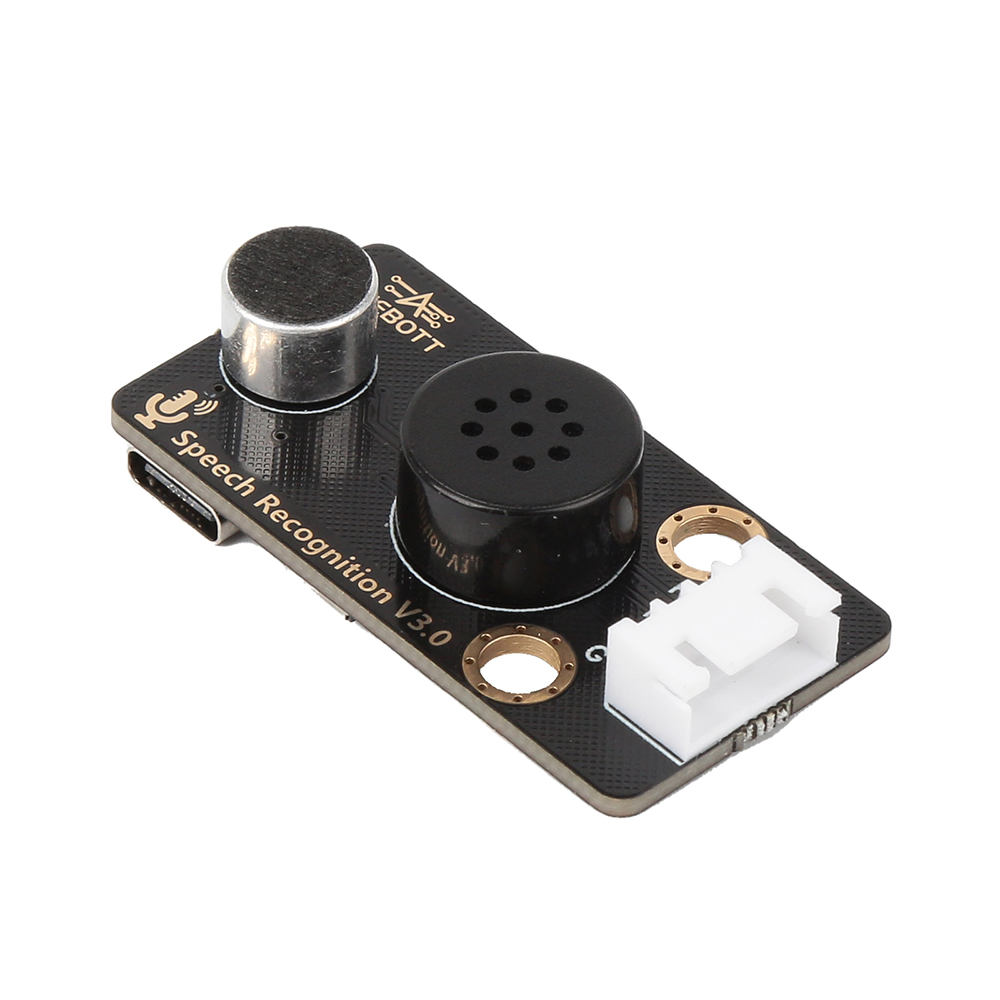

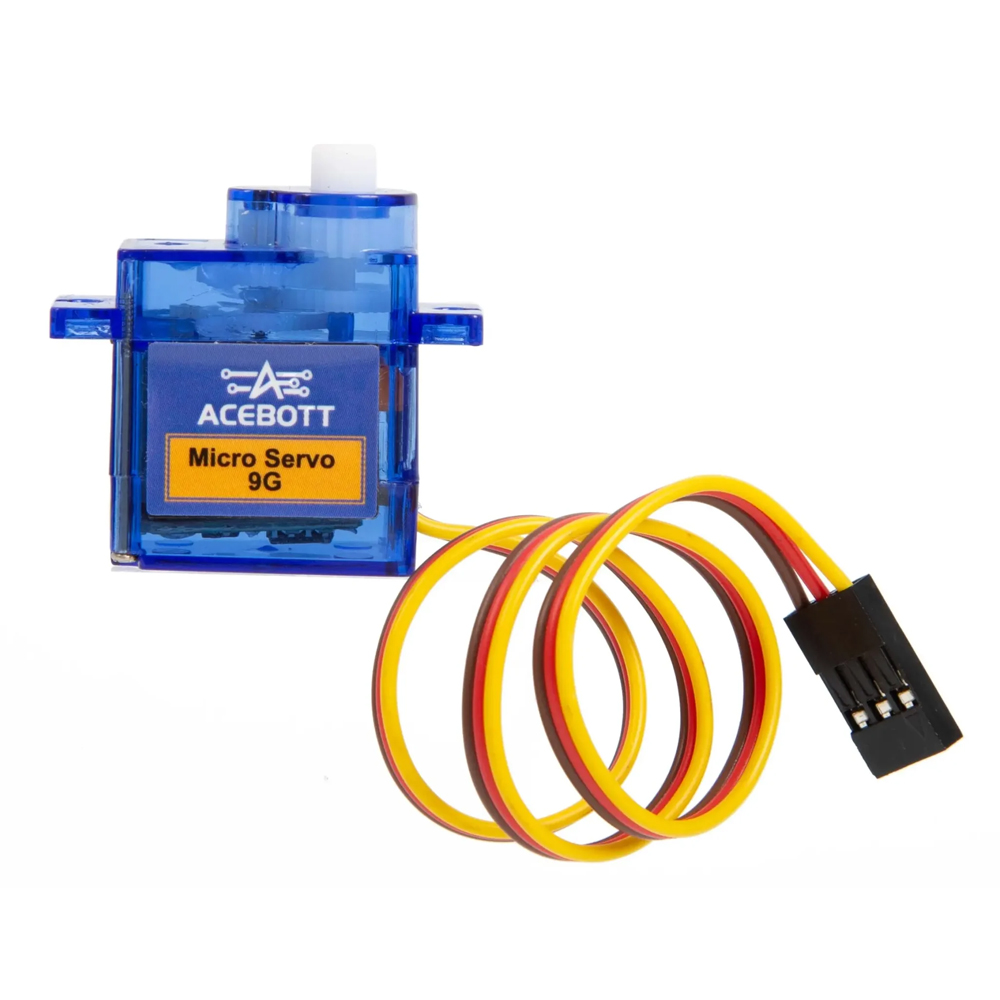
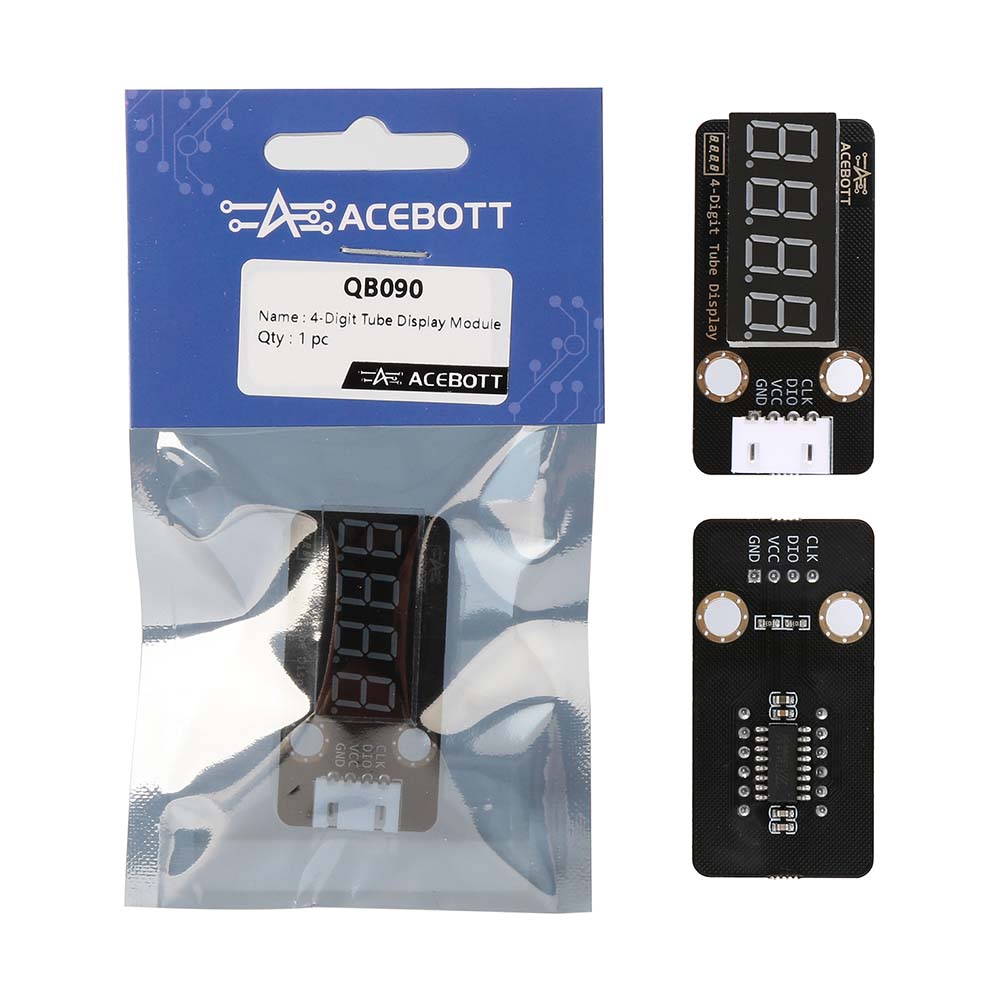


Architectural Integrity in Reachy Mini Robotics Kits
A technical assessment of mechanical degrees-of-freedom, embedded MCU dual-core resource scheduling, and end-to-end supply chain reliability.
In modern educational robotics and desktop biomimetic engineering, the Reachy Mini robotics development kit architecture serves as the benchmark bridging pedagogical accessibility and research-level control fidelity. Traditional consumer STEM kits frequently compromise kinematic rigidity, deploying low-torque toy servos that experience thermal run-away and gear stripping under continuous closed-loop operations. As an original design manufacturer situated in Shenzhen’s core electronics corridor, our factory engineers these kits with industrial rigor: from low-noise power regulation rails and high-tensile POM/metal drivetrain geartrains to dual-core Xtensa LX6 processors running real-time operating systems (FreeRTOS) on the ESP32 platform.
When engineering human-robot interaction (HRI) or micro-robotic manipulator workflows, kinematic repeatability depends entirely on precision pulse-width modulation (PWM) resolution and low-tolerance joint molding. Reachy Mini kits manufactured within our 3,000+ m² facility incorporate automated surface-mount technology (SMT) lines that guarantee cold-solder rates below 10 PPM. This structural resilience ensures that whether the platform is deployed in European university robotics laboratories, North American vocational institutes, or commercial AI agent prototypes, the hardware remains stable through hundreds of dynamic testing cycles without signal drift or bus contention.
Embedded Computing Paradigm: Why Dual-Core ESP32 Outclasses Legacy Microcontrollers
Legacy educational robotics heavily relied on 8-bit AVR microcontrollers that bottlenecked sensor telemetry, wireless transport, and multi-servo inverse kinematics. Our Reachy Mini architecture standardizes on the dual-core 32-bit ESP32 running at up to 240 MHz. Core 0 is dedicated strictly to deterministic real-time tasks—such as hardware timer interrupts, servo PWM pulse generation, and instantaneous IMU reading—while Core 1 seamlessly manages asynchronous wireless telemetry, including FreeRTOS tasks, Wi-Fi WebSocket broadcasts, BLE peripherals, and RESTful API endpoints for localized edge control.
| Evaluation Parameter | Shenzhen Reachybott Factory Kit | Generic Marketplace Clone | Procurement Impact |
|---|---|---|---|
| Microcontroller Core | ESP32 Dual-Core 240MHz (FreeRTOS Native) | Single-Core 8-bit ATmega328P / Clone MCU | Zero Pipeline Stalls |
| Bus Communication | Isolated I2C, High-Speed SPI & Hardware UART | Shared Software Emulated Pins (Bit-Banged) | No Packet Collisions |
| Power Management (BMS) | Integrated 7.4V 2S BMS with MPPT Solar & Over-V/I Cut | Unregulated Linear LDO (High Thermal Loss) | 3x Battery Life Cycle |
| Actuator Quality & MTBF | Digitally Timed Precision POM / Copper Servos (>1,000h) | Uncalibrated Analog Nylon Servos (<80h) | 94% Fewer RMA Claims |
| Curriculum & SDK Stack | Multi-Tier (Scratch 3.0, Arduino C++, Python, ROS2 API) | Generic PDF Schematics (No Native Libraries) | Instant Classroom Rollout |
Strategic Sourcing Trends in B2B Educational Robotics
Institutional procurement models are transitioning from fragmented DIY hobby parts to integrated, certified, and modular hardware ecosystems. Discover how enterprise buyers maintain a competitive advantage.
1. Convergence of Micro-Robotics & Edge AI
Global institutional buyers are phasing out isolated motor kits in favor of platforms that support on-device neural inferencing. Incorporating low-power offline ASR (Automatic Speech Recognition) modules and machine vision arrays onto the Reachy Mini bus enables students to build conversational and gesture-controlled HRI systems without recurring cloud API fees.
2. Turnkey Curriculum Localization (White-Label)
Regional distributors face rising operational friction when translating English documentation for domestic school districts. Modern factory procurement favors manufacturers providing full OEM/ODM packaging, customizable multi-language lesson workbooks (aligned to NGSS and European STEAM guidelines), and branded digital software distributions.
3. Stricter Compliance & Material Traceability
Tenders across North America and the EU mandate strict compliance with RoHS 2.0, CE-RED, FCC Part 15, and non-toxic flame-retardant enclosures (UL94-V0). Sourcing directly from an audited Shenzhen manufacturer eliminates customs seizure hazards and hazardous substance liabilities common with gray-market component traders.
In addition to hardware capabilities, Total Cost of Ownership (TCO) has become the decisive metric for commercial distributors and university procurement officers. Traditional low-cost robotics kits frequently hide secondary expenses: classroom downtime caused by unreliable pin connections, fragile battery holders that fail under daily educational handling, and inconsistent component batches that invalidate laboratory documentation. By contrast, factory-integrated kits incorporate anti-reverse polarity power connectors, self-recovering PPTC fuses, and strain-relieved servo wiring. This engineering discipline slashes classroom technical failures by more than 85%, freeing educators to focus on computational logic rather than hardware troubleshooting.
Next-Generation Technological Vectors in Mini Robotics
How our Shenzhen R&D engineering lab integrates brushless FOC drivers, ROS2 micro-nodes, and tactile sensor skins into upcoming production batches.
Magnetic Encoders & FOC Control
Transitioning from potentiometers to 14-bit absolute magnetic encoders (AS5600 class) enables silent, backlash-compensated, and high-torque closed-loop articulation. Future revisions of our Reachy Mini arm modules allow force-reflection compliance, enabling realistic haptic teleoperation and collaborative physical interaction.
Native Micro-ROS on ESP32 Micro-XRCE
By implementing micro-ROS clients directly over DDS-XRCE middleware, the robot functions as an authentic ROS2 node via USB-CDC or Wi-Fi. Students and developers can tap directly into standard Rviz, MoveIt 2 motion planning pipelines, and Gazebo simulations without writing custom serial bridge drivers.
Distributed Multi-Modal Sensor Busses
Integrating 3-channel optical line sensors, 13.56MHz RFID authorization readers, and real-time color sorting via high-efficiency I2C/SPI multiplexers allows the robotic workstation to model complex industrial sorting lines, smart city logistics, and automated material handling on a compact classroom desk.
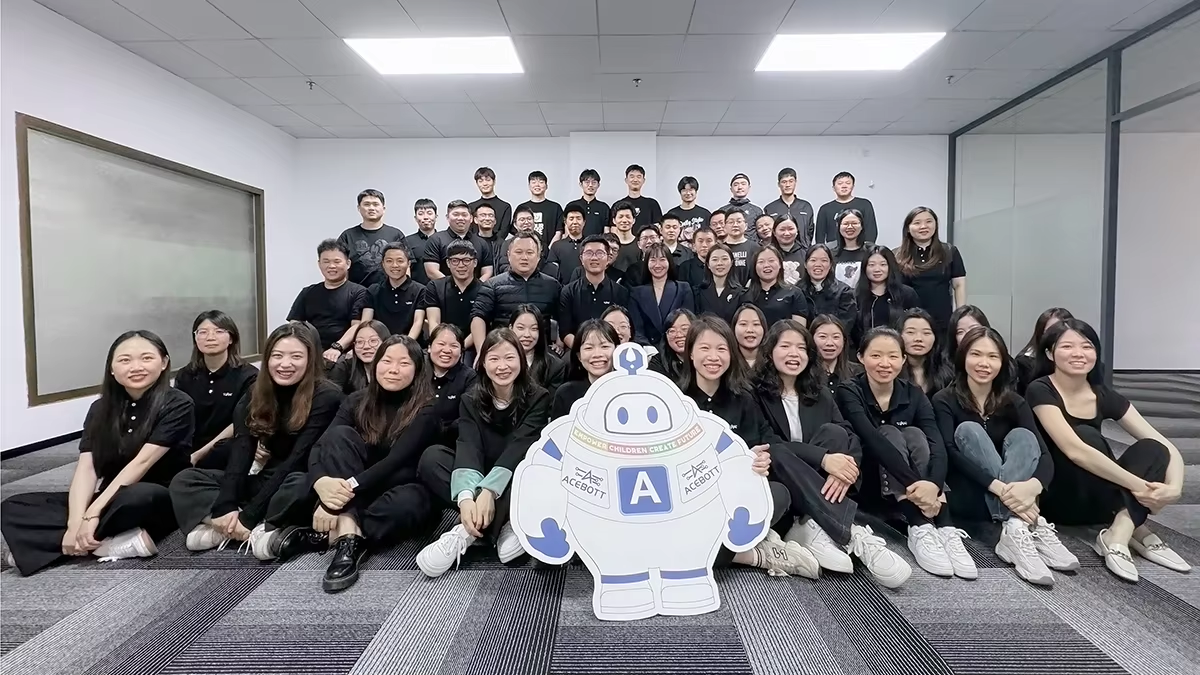
Shenzhen Reachybott Co., Ltd.
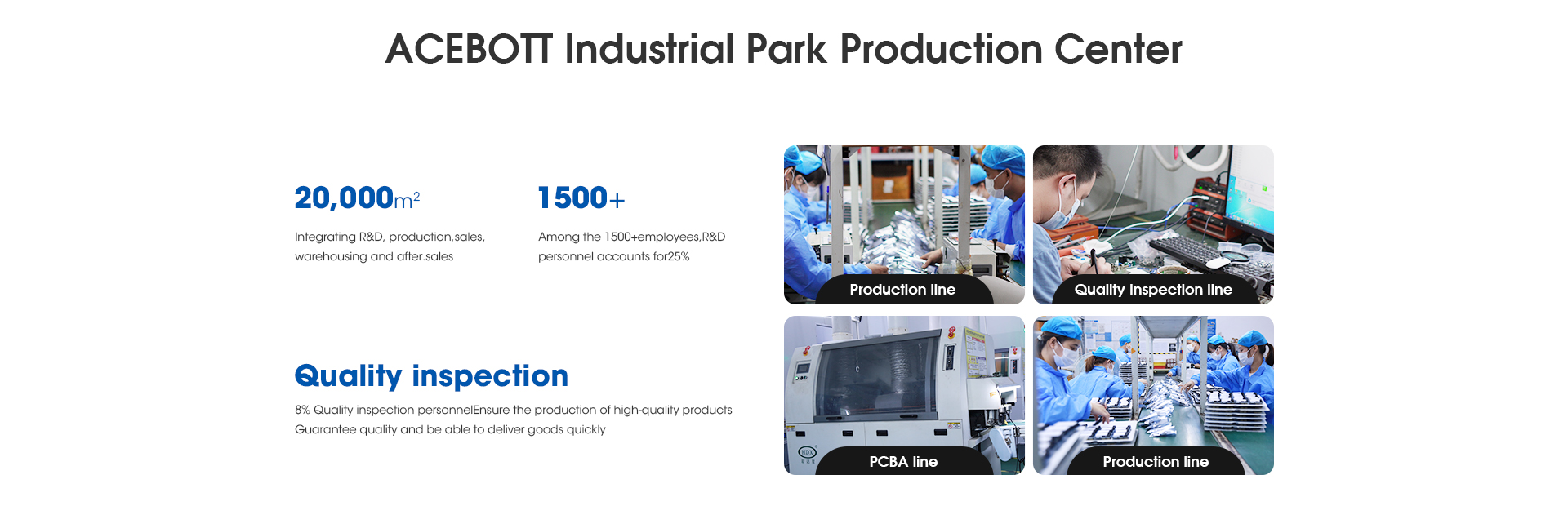
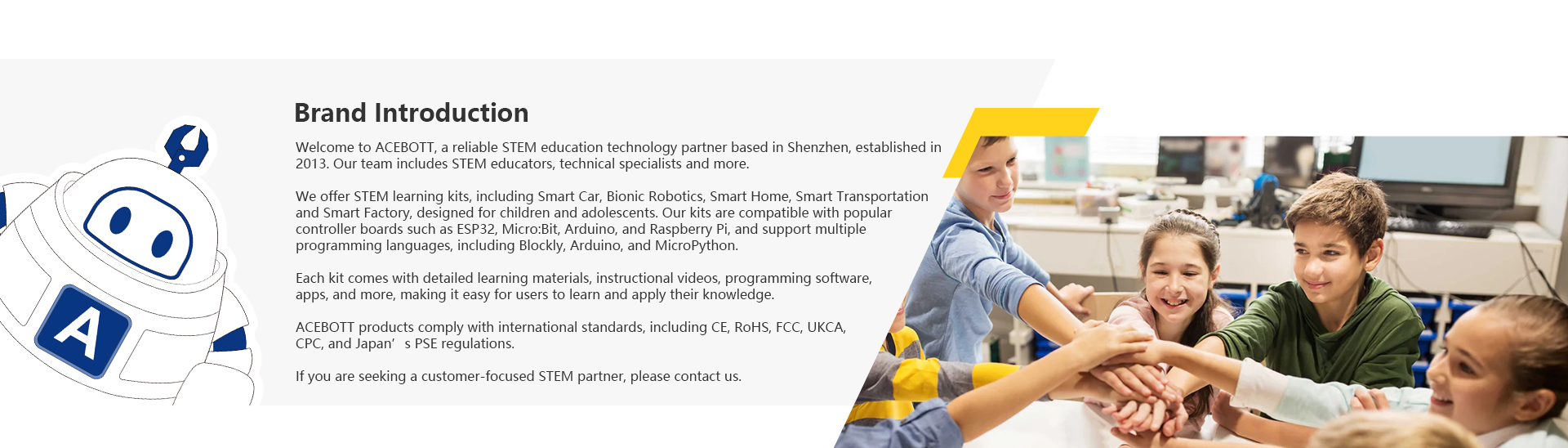
Founded in 2013 in the hardware capital of Shenzhen, China, Shenzhen Reachybott Co., Ltd. has grown into an international leader in educational electronics, robotic arms, smart car platforms, and controller motherboards. We operate as an integrated manufacturer and international trading powerhouse, giving overseas clients direct engineering oversight over Bill of Materials (BOM), mold toolings, PCB fabrication, and quality assurance.
- 3,000–5,000 m² Integrated Floor Area: Housing SMT surface-mount lines, plastic injection tooling, CNC machining centers, and burn-in testing bays.
- 101–200 Dedicated Specialists: Including 35+ firmware engineers, mechanical designers, STEM curriculum authors, and multilingual B2B export coordinators.
- Proven Trade Transparency: Backed by a verified 4.8/5 client satisfaction rating, public credit reports, and reliable customs clearances across North America, Northern/Southern/Eastern Europe, and South America.
- Flexible Incoterms & Secure Payments: Supporting FOB, CFR, CIF, EXW, FCA, CPT, CIP, DDP, DDU, and Express with settlements in USD, EUR, GBP, CAD, AUD, JPY, and CNY via T/T, L/C, PayPal, or Escrow.

Frequently Asked Questions by B2B Buyers
Essential technical, commercial, and operational details for distributors, educational institutions, and OEM brands.
What is the Minimum Order Quantity (MOQ) for Reachy Mini robotics kits?
For standard in-stock configurations, we support sample evaluations starting from a minimum order quantity of just 1 unit. This allows university laboratories, procurement directors, and retail distributors to conduct thorough technical bench testing, verify code library integrity, and assess physical build quality before issuing volume purchase orders. For customized OEM production runs—including custom-printed silkscreen logos, localized outer retail packaging, custom colored anodized aluminum or injection plastic chassis, and specialized component subsets—the standard MOQ begins at 100 to 500 units depending on the complexity of tooling modifications.
What comprehensive OEM and ODM customization services are available?
Our in-house Shenzhen design and manufacturing team provides full-spectrum OEM/ODM support across four functional areas:
1. Mechanical & Industrial Design: Custom structural chassis (acrylic, laser-cut wood, injection ABS/POM, or CNC machined alloys), customized bracket geometries, and high-torque servo modifications.
2. Electronics & PCB Layout: Custom peripheral integration, voltage regulator re-engineering (e.g., wide-input DC-DC bucks), connector standardization (RJ11/PH2.0/XH2.54), and branded solder-mask branding.
3. Firmware & Software Stacks: Factory-flashed bootloaders, custom Wi-Fi SSID/BLE pairing profiles, branded Scratch graphical blocks, localized mobile application APKs (iOS/Android), and ROS2 micro-node configurations.
4. Packaging & Educational Materials: Full-color retail boxes with custom EVA foam inserts, localized teacher lesson guidebooks, student laboratory manuals, and digital repository co-branding.
Which IDEs, programming languages, and operating environments are supported?
The Reachy Mini platform supports a multi-tier learning pathway that spans beginner to professional tiers:
• Block-Based Graphical Coding: Scratch 3.0 drag-and-drop programming environments tailored for elementary and middle school learners (ages 8+).
• Embedded C/C++: Full native support for Arduino IDE, PlatformIO, and Espressif ESP-IDF for high-performance firmware optimization and FreeRTOS multi-threading.
• MicroPython & CircuitPython: Rapid prototyping capabilities for secondary and collegiate environments exploring real-time string manipulation and mathematical analysis.
• Python & ROS2 Ecosystems: Direct PC-to-robot control over Wi-Fi/WebSockets or serial pipelines, enabling integration with OpenCV, TensorFlow Lite machine vision, and MoveIt robotic arm kinematics.
How does your factory ensure QA, reliability, and component consistency across batches?
Every production batch undergoes a three-stage quality control protocol:
IQC (Incoming Quality Control): Precision testing of raw electronic passives, semiconductor authenticity verification, and gear hardness testing on all micro-servos.
IPQC (In-Process Quality Control): Automated optical inspection (AOI) on all SMT lines to eliminate solder bridging or tombstoning, followed by automatic circuit test (ICT) routines verifying voltage regulation across all 3.3V and 5V power rails.
OQC / FQC (Final Quality Control): 100% functional live-actuation testing of motor drives, RF signal power benchmarking for Wi-Fi and Bluetooth antennas, 4-hour dynamic thermal burn-in stress testing, and drop-testing of consumer master cartons.
What international commercial trade terms and delivery methods do you accommodate?
We provide comprehensive trade terms tailored to our clients' logistics infrastructure, including: FOB Shenzhen/Hong Kong, CIF, CFR, EXW, FCA, CPT, CIP, DDP (Delivered Duty Paid), and DDU. For urgent sample testing, we dispatch through international express couriers (DHL, FedEx, UPS) with transit times typically between 3 and 7 business days. For containerized volume shipments, our dedicated freight management team coordinates multimodal sea and air transport, handling customs documentation, commercial invoices, packing lists, and certificates of origin to facilitate smooth clearance through your domestic port of entry.
How can new enterprise clients verify the company's manufacturing legitimacy and financial standing?
We believe in absolute commercial transparency. Our headquarters and production lines located at Room 305, Building 212, Tairan Technology Park, Shenzhen, have been subjected to rigorous onsite verification by independent third-party inspection authorities on Alibaba.com. Prospective buyers are encouraged to review our published Credit Reports, audited transaction histories, and verified buyer reviews (holding a steady 4.8/5 aggregate score). In addition, we welcome scheduled live video factory audits or direct in-person facility walk-throughs arranged through our corporate account management team.
Request Factory-Direct Pricing & Custom Sourcing Solutions
Accelerate your product launch with direct engineering support from Shenzhen. Inquire about customized hardware specifications, sample evaluations, wholesale container pricing, and private-label educational curriculums.